

Blink-182 Day is a fan-driven celebration built around a simple, very on-brand idea: if a band is named Blink-182, then the 182nd day is basically begging to be set aside for loud guitars, big hooks, and a sense of humor that refuses to grow up.
On this day, music lovers lean into the band’s catalog, their unforgettable videos, and the pop-punk energy that helped shape a generation of radio hits, basement shows, and “learn three chords and start a band” confidence. Blink-182 is beloved for catchy songwriting and sharp storytelling, but their wider impact is just as important: they helped make punk’s speed and attitude feel accessible, melodic, and strangely comforting.
How to Celebrate Blink-182 Day
Celebrating Blink-182 Day is all about embracing the spirit of pop punk and the band’s legacy. Here are some fun ways to join the fun of the day:
Blink-182 Music Marathon
Start the day with a full-on Blink-182 run, not just the biggest singles. The fun of a marathon is hearing how the band evolves, from early, scrappy recordings to polished pop-punk perfection and later material that experiments with darker moods and broader textures.
To make it feel intentional, fans can pick a theme:
- The “hits and videos” set: the era of massive choruses built for shouting along, perfect for people who discovered the band through music television.
- The “deep cuts only” set: for longtime listeners who have already played the singles into the ground and want to revisit overlooked favorites.
- The “album experience” set: listening straight through, which highlights pacing, recurring lyrical themes, and how the band builds an emotional arc even when the jokes are flying.
Bonus points for noticing how often Blink-182 uses small lyrical details to make songs feel cinematic: a specific moment, a specific room, a specific regret, then suddenly a chorus that makes it everybody’s story.
Dress Up in Pop Punk Style for the Day
Blink-182 style has always been more about attitude than strict fashion rules. The classic look is easy to pull off and even easier to personalize: band tees, flannel, hoodies, shorts, worn-in sneakers, and whatever feels like it could survive a skate session and a cramped show.
The spirit to aim for is “effortless, slightly chaotic, ready to sing too loudly.” Accessories can do a lot here: wristbands, a beanie, studded belts, or temporary tattoos if that’s the vibe. For fans who want something subtler, even a small nod like a smiley graphic, a pop-punk patch, or a black-and-neon color palette can feel like a wink to the era.
Learn to Play a Blink-182 Song
Blink-182 songs are famous for being approachable to beginners while still rewarding to get right. That is part of why so many people credit them with inspiring first bands: the riffs and progressions are learnable, but the tightness and energy take practice.
A good way to tackle it:
- Guitar or bass: start with the rhythm parts and focus on staying locked to a steady tempo. Blink’s best songs move like a fast train, and the real challenge is keeping them clean.
- Drums: Travis Barker’s style is a masterclass in making pop-punk feel explosive. Beginners can simplify patterns and still capture the drive, then add fills as skills grow.
- Vocals: the harmonies and alternating voices are a huge part of the band’s identity. Singing along is one thing; trying to nail phrasing, breath, and that punchy delivery is another.
After giving it a go, share it with the world. Be sure to use the day’s hashtag: #Blink182Day, and become immersed as part of the global celebration.
Have a Pop Punk Karaoke Night on Blink-182 Day
Host a karaoke night that treats pop punk like the communal sport it is. Blink-182 tracks are especially suited to group singing because the choruses are direct, the melodies are memorable, and everyone can jump in even if they only know a few lines.
To keep it fun (and slightly less chaotic), set up a few “house rules”:
- Duets and group choruses encouraged for songs with call-and-response energy.
- Air guitar and air drums fully legal, because a Blink-182 karaoke night without exaggerated performance is missing the point.
- Mix the setlist with other bands from the same universe, so there’s room for comparisons and friendly debates about what “counts” as pop punk.
If the crowd includes people who only know the biggest hits, sprinkle those in regularly so nobody feels left out of the singalong.
Watch Blink-182 Music Videos
Blink-182’s music videos are practically a parallel career: part comedy sketch, part fashion time capsule, part perfect visual companion to their sound. Watching them in a row highlights how the band used humor as a kind of secret weapon, making punk feel welcoming rather than exclusive.
A good viewing session can include:
- The videos that parody pop culture and turn the band into lovable troublemakers.
- The videos that lean more cinematic and moody, showing how their tone shifted over time without losing their identity.
- Live clips and tour footage, which capture why they became known not only as songwriters, but as performers who could turn a show into an event.
Even without diving into behind-the-scenes trivia, the videos themselves tell a story about an era when a three-minute clip could define a band’s personality.
Create Blink-182 Inspired Art
Unleash some creativity by drawing, painting, or crafting something inspired by the band. It could be album art, a lyric-inspired piece, or anything that else sparks the imagination.
Fans often gravitate toward a few signature Blink-182 visual themes: bold colors, cartoonish iconography, playful gross-out humor, and nostalgic suburban imagery. A fun challenge is to pick a lyric that sounds simple, then illustrate it literally and see how quickly it turns surreal. Another option is to design a “dream setlist poster” or make a fake ticket stub for an imaginary show, complete with a made-up venue name that sounds like it belongs in a pop-punk song.
For people who prefer digital creativity, a short video edit, a photo series, or even a homemade “music video” with friends can be the perfect Blink-182 Day project.
Explore Pop Punk History
Learn more about the pop punk genre’s history. Learn about bands that influenced — and those who were influenced by — Blink-182. It’s an excellent chance to learn some more musical knowledge. Who knows? This info might even come in handy at the next trivia night.
Blink-182 sits at a crossroads of punk’s speed and pop’s shine. Listening to their influences can reveal where the urgency and snark came from, while listening to later bands shows what Blink-182 helped normalize: bright melodies over fast drums, confessional lyrics that still make room for jokes, and a willingness to be sincere one minute and ridiculous the next.
To make the exploration concrete, fans can focus on a few angles:
- Songwriting structure: how pop-punk borrows the tightest parts of pop songwriting and bolts them onto punk tempos.
- Production: how cleaner studio sound helped the genre reach bigger audiences while keeping the energy.
- Youth culture: why these songs became soundtracks for school hallways, late-night drives, and the weird emotional intensity of being young.
Donate to a Music Charity
In the spirit of giving back, consider donating to a charity that supports music education or emerging artists.
This kind of gesture fits Blink-182 Day surprisingly well. Blink-182’s story is often framed around being self-starting and creative with limited resources, so supporting programs that put instruments, lessons, rehearsal spaces, or songwriting workshops within reach helps keep that pathway open for the next wave of bands.
If donating money is not possible, fans can also donate time: volunteering at community arts programs, helping a local venue, or passing along unused gear to someone learning to play.
Plan a Blink-182 Day Party
End the day with a Blink-182 party. The theme? Why, Blink-182, of course! Decorate with album-inspired colors, print out lyric snippets as table cards, and build a playlist that moves through eras so guests can argue about their favorite lineup, their favorite album, or the best chorus for screaming in a car.
A few party ideas that keep things playful:
- Setlist draft: everyone picks a “must include” song, then the group has to arrange them into the best possible show flow.
- Pop-punk fashion mini contest: not for perfection, just for commitment.
- Music video reenactment corner: simple props, a phone camera, and a willingness to look ridiculous.
Whether a long-time fan or simply curious about learning more about their music, Blink-182 Day is a fantastic chance to celebrate the lasting impact of this iconic band. So crank up the volume and sing along.
History of Blink-182 Day
Blink-182 Day traces its roots back to a social media moment credited to Mark Hoppus, the band’s bassist and vocalist. Fans point to a tweet posted on the 182nd day of the year in which he declared it “Blink-182 Day,” and the idea stuck because it is so neat and so wonderfully silly. A number in a band name turns into a built-in excuse for a yearly celebration, which feels exactly like the sort of joke Blink-182 would appreciate.
To understand why the day resonates, it helps to understand what the band represents in pop culture and in music history.
Blink-182 formed in the early 1990s in Poway, a suburb of San Diego, California. The early lineup featured Mark Hoppus, guitarist and vocalist Tom DeLonge, and drummer Scott Raynor. Like many punk bands, they were shaped by the scene around them and by earlier punk and alternative acts. But Blink-182 quickly developed a signature blend: bright pop melodies, fast rhythms, and lyrics that could be immature, heartfelt, or both in the same breath.
The band’s name history is part of their legend. They initially performed as “Blink,” but changed it after discovering another act was already using the name. The “182” was added to make the name distinct. Over the years, fans have traded theories about what the number means, and the band has leaned into the mystery with varying explanations, adding to the playful mythmaking that surrounds them. In a way, Blink-182 Day is an extension of that same energy: a little cryptic, a little goofy, and fully committed.
Their early recordings and releases, including “Fly Swatter,” “Buddha,” and “Cheshire Cat,” established their fast, youthful sound and DIY spirit. Those projects captured a band still figuring itself out, writing songs that felt like inside jokes shared with anyone willing to listen.
Momentum built as they toured and released more music, and then a key lineup change helped define the band’s long-running public image: Travis Barker joined as drummer, bringing a style that was both technically sharp and explosively expressive. His playing became a huge part of Blink-182’s identity, adding flair and speed that lifted the songs without burying their simplicity.
The band’s rise to mainstream success hit a high point with the album “Enema of the State.” It helped turn pop punk into a dominant force, not just in small clubs and skate scenes, but on radio and in mass media. Songs from this era became cultural shorthand for a certain kind of adolescence: energetic, restless, romantic, and allergic to taking anything too seriously for too long.
Blink-182’s influence is not limited to catchy singles. Their music and presentation helped widen the emotional range that pop punk could comfortably hold. Alongside jokes and pranks, there were songs about anxiety, loneliness, and complicated relationships, written in plain language that made them feel direct and personal. Later releases showed the band experimenting with moodier textures and more introspective themes, proving they were not trapped by their own punchlines.
Over the years, the band went through internal changes and shifting eras. Tom DeLonge stepped away for a period, and Matt Skiba filled in as guitarist and vocalist during that stretch, contributing to albums and tours that introduced the band to new listeners. Eventually, DeLonge returned, reinforcing the idea that Blink-182 is as much a relationship between personalities as it is a fixed musical unit.
So why does a fan-made day matter? Because Blink-182’s story has always been about community, whether that community formed at shows, through shared mixtapes, or later through online fandom. Blink-182 Day gives that community a repeating prompt: revisit the songs, share the jokes, remember the videos, and appreciate how a band that once sounded like a group of friends messing around in a garage ended up leaving a lasting mark on popular music.
Blink-182 Day Facts
Pop-Punk’s Roots Go Back to 1970s UK and US Punk
Long before turn-of-the-millennium radio hits, the musical blueprint for pop‑punk was being laid by late‑1970s bands such as the Ramones, Buzzcocks, and the Undertones.
These groups stripped rock songs down to fast, three‑chord structures and fused them with bright melodies and adolescent themes, creating a template that later bands refined into the more polished, hook‑driven pop‑punk sound that took over charts in the 1990s and 2000s.
California Turned Pop-Punk into a Youth-Culture Phenomenon
By the 1980s and early 1990s, California’s punk scene had become a key incubator for what would be recognized as pop‑punk, with bands like Descendents and Bad Religion combining skate culture, surf aesthetics, and melodic hardcore.
This West Coast environment, with its all‑ages shows, skate parks, and independent labels, helped turn the style from a niche punk offshoot into a recognizable youth movement that later supported mainstream acts.
Pop-Punk’s Mainstream Breakthrough in the 1990s
Pop‑punk was largely underground until the mid‑1990s, when Green Day’s “Dookie” and The Offspring’s “Smash” sold millions of copies and brought the genre into heavy MTV and radio rotation.
Music historians often describe this period as pop‑punk’s first major commercial wave, setting the stage for a second wave around the turn of the millennium in which bands like Blink‑182, Sum 41, and New Found Glory helped make the style one of the biggest rock genres for teenagers worldwide.
Warped Tour as a Traveling Pop-Punk Ecosystem
The Vans Warped Tour, launched in 1995 as an alternative and punk festival on wheels, became one of the most important institutions for pop‑punk.
By featuring a mix of established acts and smaller bands across dozens of cities each summer, it allowed young fans to discover new music in the same environment where they saw their heroes perform, reinforcing a shared subculture that blurred lines between skateboarding, extreme sports, and melodic punk.
How Pop-Punk Helped Shape 2000s Teen Identity
Cultural commentators note that turn‑of‑the‑century pop‑punk lyrics often focused on suburban boredom, breakups, and not wanting to grow up, themes that resonated strongly with teenagers navigating a relatively comfortable but emotionally confusing era.
The mix of humor, self‑deprecation, and real vulnerability in these songs offered many listeners a vocabulary for their own experiences, turning the genre into a soundtrack for junior‑high bus rides, mall hangouts, and after‑school skate sessions.
From CDs to Streaming Playlists: Pop-Punk’s Digital Afterlife
While pop‑punk’s commercial peak on physical albums came in the late 1990s and early 2000s, the genre has found a second life through digital platforms.
Streaming services report recurring spikes in listens for late‑1990s and early‑2000s pop‑punk tracks, and playlist culture has introduced the style to a new generation that discovers classic bands alongside newer “pop‑punk revival” acts on the same curated mixes.
Skate Videos and Video Games Spread Pop-Punk Globally
Beyond radio and television, skateboarding videos and early‑2000s extreme‑sports video games were crucial in exporting pop‑punk around the world.
Titles like “Tony Hawk’s Pro Skater” prominently featured fast, melodic punk tracks, and many international fans first encountered the genre while watching or playing skate content, associating its sound with motion, risk, and youth rebellion across borders.
Blink-182 Day FAQs
How did Blink-182’s tours shape their global fanbase?
Blink-182’s chaotic yet thrilling tours, like the “Pop Disaster Tour” with Green Day in 2002, cemented their global appeal.
Fans recall their humorous stage antics and spontaneous pranks as highlights.
These tours also introduced many fans to pop-punk as a genre, with Blink-182 often performing alongside lesser-known punk acts to bring them into the limelight.
Why is the band considered a trailblazer for combining humor with punk?
Blink-182 stood out for blending comedy with the angst of punk rock. Songs like “Family Reunion” and goofy music videos showed their refusal to take themselves too seriously.
Their humorous approach helped pop-punk reach audiences who appreciated lighthearted fun alongside catchy riffs.
What’s the significance of their album art in pop-punk culture?
The cover of Enema of the State, featuring adult film star Janine Lindemulder, became a symbol of 90s irreverence.
It shocked some and intrigued others, perfectly matching Blink-182’s rebellious image. The art style of their albums continues to inspire countless punk bands today.
How has Blink-182’s music connected with skateboarding culture?
Blink-182’s fast-paced songs often appeared in skate videos and competitions, making them a staple of the skateboarding scene.
Tracks like “Aliens Exist” and “Dumpweed” became soundtracks to skate parks. Many fans credit the band for their music’s ability to amplify the adrenaline of extreme sports.
What are some odd ways fans celebrate Blink-182 Day?
Fans have gotten tattoos of their favorite lyrics, hosted Blink-themed trivia nights, and even baked cakes shaped like the band’s logo.
Some recreate iconic moments from music videos, such as dressing up like the band in “All the Small Things.” The day serves as a creative outlet for their artistic and playful side.
Did Blink-182 ever inspire memes or internet trends?
Blink-182’s infamous line “Where are you?” from “I Miss You” sparked countless parodies online.
Fans humorously exaggerate Tom DeLonge’s distinct pronunciation in the song. The meme phenomenon reflects how their music transcends traditional pop culture into the digital age.
What’s an unusual fact about their songwriting process?
Blink-182 reportedly wrote some of their early songs in a garage while watching cartoons.
Their lyrics often reflected the humor and simplicity of their environment. This laid-back style gave rise to many of their relatable and youthful hits.
How did their music impact teen culture in the 2000s?
Blink-182 became a voice for disenchanted youth with songs about relationships, identity, and rebellion.
Tracks like “What’s My Age Again?” spoke directly to the struggles of growing up. Their music captured the mood of an entire generation, bridging angst with humor.
What’s one of the most memorable pranks they pulled on tour?
During the Enema of the State tour, the band famously pranked their crew by filling a bandmate’s bunk with popcorn.
Their endless mischief wasn’t just confined to the stage. Such antics built their reputation as not just musicians but fun-loving performers.
How have their side projects added to their legacy?
Members explored new sounds through projects like Angels & Airwaves and +44.
These ventures showcased their range, from space rock to more reflective melodies. Fans gained deeper appreciation for their versatility and creativity.



You may also like

Punk for a Day Day
Did you know there's a day when you can channel your inner punk? That's right, Punk for a Day Day is celebrated every year on October 25th. It's a day when people from all walks of life can explore punk culture's bold, rebellious spirit. The punk movement, known for its...

Skate Shop Day
Skate Shop Day celebrates the heart of every skate scene—the local shop. These spots aren't just stores; they're hangouts, launchpads, and lifelines. Friends swap stories, grab new gear, and talk tricks. The vibe is real, grounded, and full of energy. Skaters old and new stop by to say thanks, grab something...
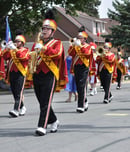
Marching Band Day
Groups of musicians, drums thumping and brass blaring, creating an infectious rhythm that lifts spirits and infuses energy into any gathering.

Go Skateboarding Day
In addition to looking incredibly cool, skateboarding is great for your health and a fun social outlet. Go out and practice your kick flip until you can nail it.
National days and holidays on July 1

Canada Day
Have a Canadian cook-out, research the history of this wonderful country, or plan a trip to see first-hand what the vast and diverse place has to offer.

National Financial Freedom Day
Discover National Financial Freedom Day, a celebration inspiring smart budgeting, investing, and financial literacy to build independence, security, and peace of mind.
- Australia
- Canada
- United Kingdom
- and 1 more
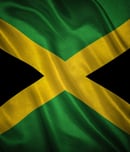
International Reggae Day
Get into the laid-back reggae vibe by firing up some classic reggae artists like Bob Marley or Peter Tosh, or dig into the history of reggae and find some new music.

National Postal Workers Day
Rain, shine, wind or snow, they’re out there delivering our important mail and making sure we get our packages. Thank your postal worker for their hard work.
- Australia
- Canada
- United Kingdom
- and 1 more
Seize Every Day
Join free for personalised recommendations, email reminders and exclusive guides. Never miss a day.