National Prairie Day
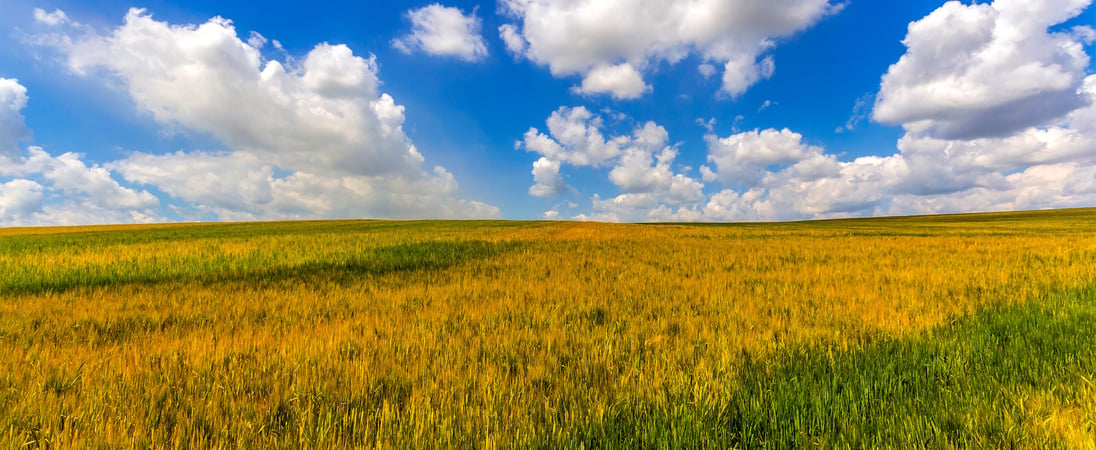
National Prairie Day is a special event that celebrates the beauty and importance of prairies in the United States.
Held in the early days of summer, this event aims to raise awareness about these grasslands and their vital role in our ecosystem. The day also encourages people to explore and learn more about these unique landscapes!
How to Celebrate National Prairie Day
Explore the Wild
Grab a sunhat and head out to explore the nearest prairie. These open landscapes are bursting with life and beauty. Spot prairie dogs, butterflies, and wildflowers swaying in the breeze. A camera and a pair of binoculars will be your best companions on this adventure.
Get Your Hands Dirty
Why not contribute by helping with a restoration project? Volunteer groups often need an extra pair of hands for planting native grasses or clearing invasive weeds. Rolling up your sleeves will give you a satisfying sense of accomplishment.
Share the Prairie Love
Host a prairie-themed event for friends and family. Screen documentaries, share fascinating facts, and enjoy prairie-inspired snacks. It might even be a fun time to catch some episodes of the 1970s classic, Little House on the Prairie.
Teach everyone about these unique landscapes and why they need protecting. It’s a fun way to spread the prairie love!
Read and Learn
Dive into the world of prairies by reading books or articles on the subject. There’s no shortage of fascinating literature out there. Learning about their history and importance will help you become a more passionate advocate for conservation.
Support Conservation Efforts
Donate to organizations dedicated to prairie preservation. Every contribution, big or small, helps fund crucial research and restoration projects. Plus, knowing you’re supporting such an important cause will warm your heart.
Why Celebrate National Prairie Day
Prairies support many species of wildlife and plants. They act as crucial carbon sinks, which help combat climate change.
They also filter water, prevent soil erosion, and offer space for outdoor activities. This celebration brings attention to the prairies’ value and the need to protect them.
National Prairie Day encourages people to appreciate prairies through activities like guided hikes and nature walks. These activities inspire a love for the land and motivate efforts to preserve it. By understanding their importance, people can take action to ensure these natural treasures thrive for future generations.
History of National Prairie Day
National Prairie Day is a fairly recent observance, having been established in 2016 by the Missouri Prairie Foundation. Its origins trace back to the growing awareness about the need to protect the nation’s grasslands.
The Missouri Prairie Foundation, a nonprofit organization dedicated to prairie preservation, envisioned this special day to highlight the importance of prairies and their role in the ecosystem. The observance was created to promote appreciation and awareness, uniting people passionate about grassland conservation.
Since its inception, this event has gained more recognition each year, with conservationists and nature enthusiasts organizing events across the country.
These gatherings feature educational talks, tours, and guided walks, allowing people to experience prairies firsthand. It’s not just about the landscapes but also about the diverse wildlife and plant species that thrive in these ecosystems.
By dedicating a day to prairies, the Missouri Prairie Foundation hoped to inspire collective action. The day’s purpose is to spotlight the challenges facing prairies and the solutions needed to preserve them.
People celebrate by sharing knowledge about prairies, engaging in restoration projects, and simply enjoying these unique landscapes. The goal is to foster a deeper understanding and connection with the prairies, ensuring they receive the care they need to flourish.
National Prairie Day FAQs
Why are some prairie plants called “living fossils”?
Certain prairie plants, like the Switchgrass (Panicum virgatum), are considered “living fossils” because they’ve remained unchanged for millions of years.
These plants evolved to withstand droughts, fires, and grazing, making them remarkably resilient. Their ancient roots also play a key role in preserving soil health and preventing erosion.
How do prairies influence local weather patterns?
Prairies can impact local climates by moderating temperatures and increasing humidity.
Their dense vegetation releases moisture into the air, creating cooler microclimates. This natural cooling effect benefits surrounding communities and helps reduce the severity of heatwaves.
What are prairie potholes, and why are they important?
Prairie potholes are small, shallow wetlands often found in grasslands. They formed during the last Ice Age and serve as vital habitats for migratory birds and amphibians.
These wetlands also improve water quality by filtering pollutants and storing runoff.
How are prairies celebrated in art and literature?
Prairies have inspired countless works of art and literature, symbolizing freedom and endurance.
Willa Cather’s novel O Pioneers! vividly portrays prairie life and its challenges. Artists like George Catlin captured the beauty of grasslands, showcasing their cultural and ecological significance.
What surprising species rely on prairies for survival?
While many associate prairies with bison, smaller creatures like burrowing owls and prairie dogs are equally dependent.
Prairie dogs build extensive underground tunnels that aerate the soil, benefiting the ecosystem. These animals also provide food for predators like ferrets and hawks.
How do prairies protect against flooding?
Prairie plants have deep root systems that absorb vast amounts of water, reducing runoff during heavy rains.
This natural absorption prevents flooding in nearby areas. In restored prairies, this function helps stabilize local waterways and protect communities.
What role did prairies play in westward expansion?
During the 19th century, settlers viewed prairies as opportunities for farming and grazing.
The Homestead Act of 1862 encouraged settlement, often at the expense of native grasslands. These changes forever altered the prairie ecosystem but also shaped American history.
Are there any famous prairies in pop culture?
The American prairie is central to Little House on the Prairie, a series of books and a beloved TV show.
It romanticizes frontier life while highlighting the hardships settlers faced. This depiction brought prairie landscapes into households worldwide, cementing their place in cultural memory.
What are sky islands, and how do they connect to prairies?
Sky islands are isolated mountain ranges that host unique ecosystems, including prairie-like grasslands at higher altitudes.
These areas provide habitats for species unable to survive in lower, hotter climates. They serve as vital biodiversity hotspots linked to prairie environments.
What’s the connection between prairies and traditional fire ceremonies?
Indigenous communities used controlled burns as part of traditional fire ceremonies to maintain prairie health.
These ceremonies honored the land while clearing invasive plants and promoting native grass growth. This practice is now recognized as an effective conservation method.
Also on ...
View all holidays
National Chocolate Ice Cream Day
Buy your own favorite version of chocolate ice cream (Rocky Road, maybe?), or visit a local ice cream shop and try some new flavors of this classic treat.

National Bubbly Day
With its effervescence and delicate bubbles, this celebratory drink is perfect for toasting to life's big moments.
National Trails Day
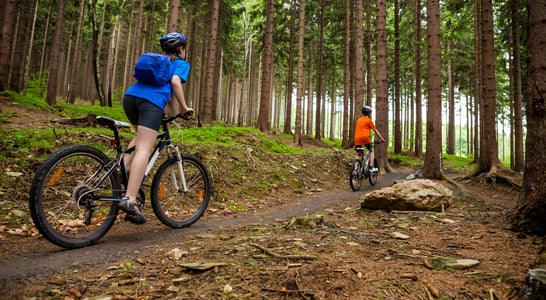
Hit the trails to connect with nature, get some fresh air and exercise. Bring friends, your dog, or take a solo mission, and follow the paths or blaze your own.

We think you may also like...

We Jump The World Day
Parkour is an art form devoted to pushing the limits of the body and interacting directly with the world around you. Learn how on We Jump the World Day.