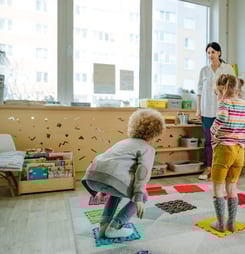

National Preschool Teachers Appreciation Day is a vibrant celebration honoring the dedication of preschool teachers. These educators play a crucial role in shaping young minds and fostering a love for learning in children aged 3 to 5.
The day reminds us of the immense contributions these teachers make, often going above and beyond to create nurturing and stimulating environments.
It’s a chance for parents, students, and communities to recognize and thank these teachers for their hard work and passion!
National Preschool Teachers Appreciation Day Timeline
First Kindergarten Concept Introduced
German educator Friedrich Fröbel begins developing his ideas for a “kindergarten,” emphasizing play, creativity, and guided activity for very young children that will shape modern preschool practice.
First Public Kindergarten in the United States
St. Louis, Missouri establishes the first publicly funded kindergarten in the United States, bringing structured early childhood education into the public school system and elevating the role of teachers of young children.
Maria Montessori Opens Casa dei Bambini
Maria Montessori opens her first “Children’s House” in Rome, creating a child-centered approach for ages three to six that influences preschool classrooms worldwide and reframes how teachers guide young children’s independence.
NAEYC Is Founded
The National Association for the Education of Young Children is founded in Washington, D.C., becoming a leading professional organization that promotes standards, training, and advocacy for early childhood educators, including preschool teachers.
Head Start Launches in the United States
As part of President Lyndon Johnson’s War on Poverty, the federal Head Start program begins providing comprehensive preschool, health, and family services to low-income children, greatly expanding demand for trained preschool teachers.
Perry Preschool Study Demonstrates Lasting Benefits
Researchers in Ypsilanti, Michigan publish early results from the HighScope Perry Preschool Project, showing that high-quality preschool with skilled teachers can improve graduation rates and life outcomes for children in poverty.
Federal Policy Recognizes Early Childhood Education Profession
The U.S. Office of Child Development issues guidelines requiring Head Start classrooms to employ trained early childhood educators, signaling growing recognition that preschool teaching is a specialized profession requiring specific preparation.
How to Celebrate National Preschool Teachers Appreciation Day
On this day, communities across the country come together to celebrate the contributions of preschool teachers.
Parents, students, and fellow educators express their gratitude through various activities. These can include thank-you notes, small gifts, and classroom celebrations.
Create Handmade Cards
Everyone loves a good card! Parents and kids can team up to make colorful thank-you cards. Use glitter, stickers, and drawings to add a personal touch.
Imagine the joy on a teacher’s face when they receive a card filled with heartfelt messages.
Organize a Surprise Party
Why not throw a little bash? Gather parents and kids to plan a surprise celebration. Decorate the classroom with balloons and banners.
Include games and snacks to make it a memorable day for everyone. A party brings excitement and shows appreciation in a fun way.
Give a Thoughtful Gift
Consider a special gift. Pool funds with other parents for something meaningful. A personalized mug, a beautiful plant, or a gift card can make a teacher’s day brighter. Gifts show thoughtfulness and gratitude for their hard work.
Plan a Classroom Activity
Arrange a unique classroom activity. Let the kids be little teachers for a day or organize a craft project dedicated to their teacher. Activities like these make the day enjoyable and give teachers a break while celebrating their contribution.
Share on Social Media
Use the power of social media to spread the love! Share stories and pictures of your favorite preschool teachers using the hashtag #NationalPreschoolTeachersAppreciationDay. Encourage others to join in and create a wave of appreciation online.
Prepare a Special Meal
Nothing says appreciation like a delicious meal. Find out your teacher’s favorite dish and prepare it for them. A home-cooked meal or even a special treat can show how much you care.
Write a Poem or Song
Get creative with words! Write a poem or a song dedicated to your preschool teacher. Perform it in front of the class or share a recorded version. Creative expressions of gratitude can be touching and memorable.
Reasons for Celebrating the Day
Preschool teachers are celebrated for several key reasons. First, they lay the foundation for lifelong learning, helping children develop essential skills like social interaction, basic literacy, and numeracy.
Their work also supports parents by providing a safe, educational environment for their kids.
Additionally, preschool education significantly impacts a child’s future success, contributing to better academic performance and social outcomes. Celebrating these teachers highlights their vital role in the community and encourages greater support for early childhood education.
History of National Preschool Teachers Appreciation Day
National Preschool Teachers Appreciation Day began in the early 2000s to honor those who dedicate their careers to teaching young children.
Early childhood education advocates and organizations recognized the need to celebrate the hard work and dedication of preschool teachers, who play a crucial role in a child’s development during the formative years before primary school.
The growing recognition of the importance of early childhood education drove the initiative. Research shows that preschool education significantly impacts a child’s future academic success and social development.
As a result, a special day was established to ensure that preschool teachers receive the appreciation and recognition they deserve.
Facts About National Preschool Teachers Appreciation Day
Brain Science Shows Preschool Builds Long-Term Skills
Decades of research on early childhood education, including analyses of programs like Head Start, finds that children who attend high-quality preschool are more likely to graduate from high school, avoid repeating grades, and show better social skills and self-control than peers who did not attend, suggesting that the benefits of skilled early teaching can last well into adulthood.
Head Start Marked a Turning Point for Public Preschool
When the federal Head Start program began in 1965 as part of President Lyndon B. Johnson’s War on Poverty, only about 10% of America’s 3- and 4-year-olds were enrolled in any preschool, and early education was largely a private option; Head Start’s launch created the first large-scale, publicly funded preschool system in the United States for low‑income families.
Preschool Enrollment Has Risen Dramatically Since the 1960s
In the mid‑1960s, very few young children in the United States were in organized early education, but by the mid‑2000s roughly two‑thirds of 4‑year‑olds were enrolled in preschool programs, a rise researchers link to increased maternal employment, anti‑poverty initiatives, and evidence on the importance of early brain development.
Preschool Teachers Often Need Specialized Credentials
In the United States, preschool teachers in public school or Head Start classrooms are typically required to hold at least a bachelor’s degree with specialized training in early childhood education, and many states layer on additional licensure or certification standards that include child development coursework and supervised teaching practice.
Pay for Preschool Teachers Lags Behind Job Demands
Despite the specialized skills required, preschool teachers in the U.S. earn substantially less than teachers of older children; federal labor statistics show their median annual wage is thousands of dollars lower than that of kindergarten and elementary school teachers, a gap experts say contributes to turnover and staffing shortages in early childhood programs.
Guided Play Is Central to Effective Preschool Teaching
Modern early childhood research supports “guided play,” in which preschool teachers carefully design playful activities to build language, math, and self‑regulation skills, as more effective than either unstructured play alone or highly scripted drill, placing skilled teachers at the heart of how young children learn best.
High-Quality Preschool Supports Working Families and the Economy
Studies of universal preschool expansions, such as those in Washington, D.C., have found that offering consistent, publicly funded pre‑K increases labor‑force participation among mothers of young children and reduces what families spend on child care, illustrating how strong preschool systems and the professionals who run them can boost both child development and local economies.