National Preschooler’s Day
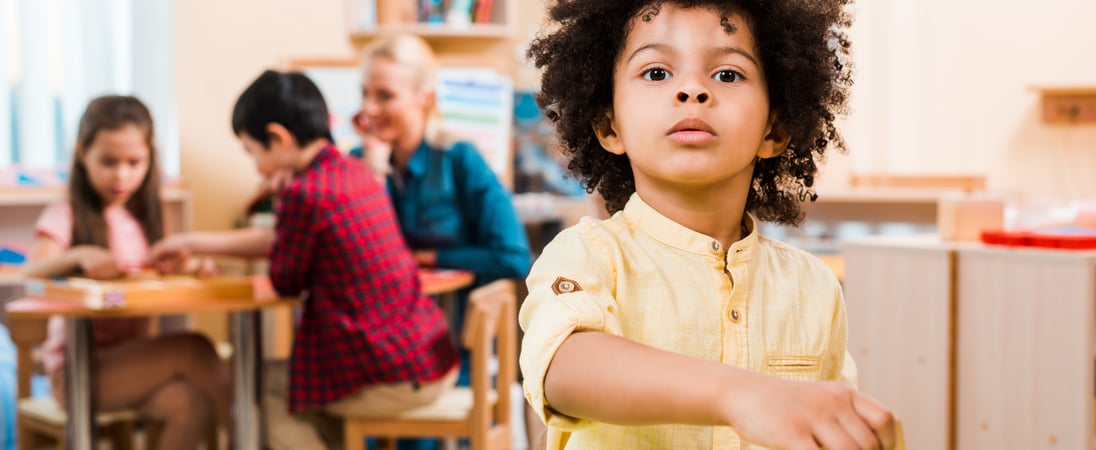
National Preschooler’s Day celebrates the spirited world of young learners as they step into early education.
This day brings attention to the critical role preschool plays in developing essential skills through playful learning and social interaction.
For children around ages three to five, preschool is an adventure in discovering new friendships, gaining early academic skills, and learning to express themselves in creative ways.
How to Celebrate National Preschooler’s Day
National Preschooler’s Day offers a delightful chance to celebrate young children and the vital role of preschool in early learning.
From simple activities to gestures of appreciation, there are many ways to mark this special day and engage preschoolers in joyful, meaningful ways.
Host a Crafty Playdate
Gather friends and family for a playful crafting session with your preschooler. Set up a small craft station where kids can use colorful papers, stickers, and crayons to make art.
They’ll love creating and showing off their masterpieces to each other. Make it even more fun with a theme like “Under the Sea” or “Jungle Safari.”
Appreciate Preschool Teachers
Show appreciation for preschool teachers who dedicate their time to nurturing young minds by sending a thank-you note or a small token of gratitude, like a homemade treat or a thoughtful gift card.
This simple act of kindness lets teachers know they’re valued and reminds everyone of the important role they play.
Read Together
Spend extra story time with a favorite book or try a new picture book. Reading aloud helps build early language skills, and kids love the one-on-one attention. Pick stories with colorful pictures and engaging themes to keep their attention and spark their imagination.
Have a Mini Talent Show
Encourage kids to express themselves with a mini talent show in the living room. Whether it’s dancing, singing, or showing off a favorite toy, preschoolers enjoy an audience.
Capture the fun on video to share with family, or keep it for fond memories!
Plan a Nature Walk
Get outside for a short nature walk to explore leaves, flowers, and bugs. Point out shapes, colors, and sounds along the way to keep preschoolers engaged. This simple outing provides fresh air, movement, and a chance to build curiosity about the world around them.
History of National Preschooler’s Day
National Preschooler’s Day honors young children and their important early steps into structured learning. Although its exact origin is uncertain, many sources suggest the holiday emerged around the 1960s.
This time was a turning point for early childhood education in the United States, largely due to President Lyndon B. Johnson’s initiative to provide better access to preschool.
His administration introduced the Head Start program in 1965, a federally funded initiative that opened doors for children from low-income families to receive early education, aiming to give all children a strong foundation for school and life.
Since its beginning, National Preschooler’s Day has symbolized a commitment to early education, drawing attention to preschool’s positive impacts on children’s social and learning skills. Over time, this day has grown into a moment for parents, educators, and communities to celebrate the unique qualities of preschool-age children.
It also highlights the role of teachers and the benefits of early childhood programs that prepare kids for elementary school. Each year, this day reminds us of the joy and potential that lie in these early years.
It’s a time when kids explore independence in small ways, like cleaning up toys or sharing with classmates. National Preschooler’s Day reminds us that these early experiences lay down important foundations that support lifelong learning.
This special day also highlights the dedication of preschool teachers who nurture young minds, guiding kids with patience and encouragement. Early childhood educators provide more than academic basics; they help children build confidence, curiosity, and emotional skills that benefit them for years to come.
Facts About National Preschooler’s Day
Preschool Can Boost Adult Earnings and Graduation Rates
Long-running studies of high-quality preschool programs, such as the Perry Preschool Project in Michigan and the Abecedarian Project in North Carolina, have found that children who attended intensive early education were more likely to graduate from high school, earn higher incomes, and avoid involvement with the criminal justice system as adults compared with similar children who did not attend.
Early Childhood Education Shows Strong Economic Returns
Economists who analyzed major U.S. preschool initiatives have estimated that every dollar invested can yield several dollars in long-term returns through higher earnings, better health, and reduced public spending on remedial education, welfare, and incarceration, with some cost–benefit analyses placing the return on investment as high as 7 to 13 percent per year.
Most U.S. Preschoolers Now Spend Time in Formal Care or Education
By the mid-2010s, federal survey data showed that roughly 60 percent of American 3- to 5-year-olds who were not yet in kindergarten were enrolled in a center-based program such as preschool, nursery school, or Head Start, reflecting a major shift from the 1960s when only a small minority of children attended formal early education.
Head Start Marked a Turning Point for Public Preschool Access
Launched in 1965 as part of President Lyndon B. Johnson’s War on Poverty, Head Start created the first large-scale, federally funded preschool program in the United States, combining education, health, and family support services for children from low-income families and ultimately serving more than 37 million children over its first five decades.
Play Is a Core “Work” of Preschool-Age Children
Developmental research has shown that high-quality play in the preschool years, especially pretend and guided play, supports language growth, self-control, social skills, and early math and literacy, leading professional organizations such as the American Academy of Pediatrics to describe play as essential rather than optional for healthy preschool development.
Rapid Brain Growth Makes Ages 3 to 5 a Sensitive Period
Neuroscience studies indicate that between ages 3 and 5 the brain undergoes intense synaptic pruning and myelination in regions involved in language, memory, and self-regulation, which helps explain why rich interaction, conversation, and emotionally secure relationships in the preschool years can have lasting effects on learning and behavior.
Language-Rich Preschool Environments Help Close Early Gaps
Research tracking children from preschool into elementary school has found that those who experience classrooms with abundant conversation, interactive reading, and sophisticated vocabulary tend to show stronger gains in language and literacy, which can help narrow early achievement gaps that often appear before kindergarten entry.
National Preschooler’s Day FAQs
What skills does preschool typically support in children aged 3 to 5?
Preschool programs usually focus on a mix of social, emotional, language, and early thinking skills.
Research in early childhood education shows that high quality preschool helps children learn to manage emotions, cooperate with peers, use language to express needs, and build early literacy and numeracy foundations.
Play, storytelling, and guided group activities support self‑regulation, memory, problem solving, and curiosity, which together improve children’s readiness for later schooling.
How does play-based learning actually help young children learn?
In play-based preschool settings, teachers use play as the main way to introduce ideas and skills rather than relying only on formal lessons.
When children pretend, build, experiment, or explore materials, they practice language, negotiate with others, test cause and effect, and develop fine and gross motor skills.
Studies in early childhood development find that guided play, where adults gently scaffold children’s interests, can lead to gains in vocabulary, early math, and self-control that are similar to or better than more formal instruction at this age.
Is preschool considered part of the right to education in international law?
International standards increasingly recognize pre‑primary education as part of the right to education, especially for children from age 3 until entry into primary school.
A global study by UNESCO and the Right to Education Initiative notes that many constitutions and education laws now include at least one year of pre‑primary education, and some make it free or compulsory.
However, legal guarantees and actual access still vary widely between countries, and low‑income families are the most likely to miss out.
How common is preschool attendance around the world?
Participation in pre‑primary education has grown significantly in recent decades, but access remains uneven.
UNESCO and World Bank data show that before the COVID‑19 pandemic, about half to two‑thirds of children worldwide were enrolled in preschool, with rates above 70 percent in high‑income countries and closer to 20 percent in many low‑income countries.
A large share of the world’s young children, particularly in poorer and rural areas, still have no access to organized early childhood education.
What should families look for when evaluating a preschool program?
Experts generally advise families to look at several core features: trained and stable staff; a safe, clean environment; small group sizes; and a daily routine that balances free play, outdoor time, and short, focused activities.
A clear curriculum that supports language, early math, and social-emotional learning through play is important, as is regular communication with families.
Parents can also ask about teacher qualifications, staff‑to‑child ratios, and how the program supports children with different abilities or home languages.
What qualifications do preschool teachers usually need?
Qualifications differ by country and by type of program, but public and government‑funded preschools often require at least an associate or bachelor’s degree in early childhood education or a related field, plus supervised practical experience.
In the United States, for example, federal Head Start programs require teachers to hold an associate or bachelor’s degree in early childhood or equivalent coursework, and most states expect public preschool teachers to have a college degree and early childhood certification.
Private centers may have lower or higher requirements depending on local regulations.
What are some common misconceptions about preschool for 3- to 5-year-olds?
A frequent misconception is that preschool should look like elementary school, with long, desk‑based lessons and a heavy academic focus.
Research in child development finds that intensive formal instruction at this age can crowd out the kind of rich play and social interaction that best supports long‑term learning.
Another misconception is that preschool is optional for children who seem “ready” for school; in reality, high quality early childhood education can be especially beneficial for shy children, multilingual learners, and those from disadvantaged backgrounds, helping to close gaps before primary school begins.
Also on ...
View all holidaysNational Good Samaritan Day
Kind-hearted individuals shine, making a positive impact through selfless acts, emphasizing the beauty of compassion and generosity.

World Sleep Day
Resting your eyes, recharging your body, and dreaming of wonderful things are just a few reasons to love bedtime.

National K9 Veterans Day
Dedicated canine partners, with unwavering loyalty, play crucial roles, showcasing the incredible bond between soldiers and dogs.
We think you may also like...
International Dot Day
Based on Peter H. Reynold’s book “The Dot”, Dot Day is all about getting creative and letting your inspiration guide you to craft and create new things.
World Tessellation Day
Try creating your own tessellation using paper, pen, and scissors to help wrap your mind around these strange and fascinating math-based patterns.

National Illustration Day
Bringing stories to life through captivating visuals, shaping narratives with unique styles and creative expressions.