Are you someone who longs to shut down toxic masculinity and, instead, honor the kinder, more empathetic aspects of very real men? In that case, National Simp Day is just for you!
How to Celebrate National Simp Day
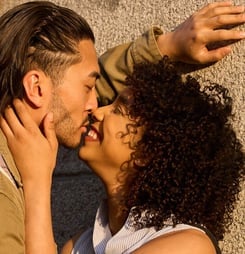
Instead of considering it negative, most women appreciate a man who answers her call, texts her back quickly, or dresses well to impress her.
So if a man is attentive and kind, showing affection, he is likely to gain the attention of the woman he is interested in – and who cares what the other (probably single) guys think about it?!
Check out a few of these ideas for celebrating National Simp Day or come up with some of your own:
Show Affection
Get past the derogatory comments and remember that building a relationship requires affection, attention and compromise.
Take this day to send flowers, cook a meal or make some other gesture of affection to the person you care about.
Thank a ‘Simp’
A person who has an affectionate man in their life can use this day to show gratitude back to him! Tell him how good it makes you feel to be cared for by him and be sure to shower him with some affection too.
Speak Out
National Simp Day works to raise awareness about the positive impact of being a “gentleman”. And it’s also an opportunity to speak up and out against the toxic vibes of masculinity that tend to underline our culture.
If you hear a person being negatively called a ‘simp’, come to their defense and remind the accuser that it is admirable to treat other people well!
National Simp Day Timeline
“Simp” was recorded in early American slang
The word “simp” appears in early 20th-century American slang dictionaries as a clipped form of “simpleton,” referring to someone foolish or soft-minded.
“Simpleton” and related slang in major dictionaries
Large English dictionaries, such as the Oxford English Dictionary, document “simpleton” as a long‑standing term for a foolish person, providing the linguistic root from which “simp” derives.
Masculinity and dominance studied in psychology
Psychologist Donald L. Mosher publishes research on “masculine gender role stress,” exploring how rigid, dominance‑focused male roles can harm both men and their relationships.
“Chivalry” and the modern gentleman reexamined
Scholars in gender studies and history analyze medieval chivalry as a code that mixed courtly respect for women with hierarchy and control, shaping later ideas of the “gentleman.”
“Toxic masculinity” enters wider discourse
Gender scholars and journalists begin using the term “toxic masculinity” more widely to describe culturally promoted male behaviors like emotional suppression and aggression that damage mental health and relationships.
Twitch popularizes parasocial “simping” for streamers
As Twitch grows, viewers increasingly spend money and attention on streamers they admire or desire, and community slang evolves to label some of this behavior as “simping.”
#Simp and #SimpNation trend on TikTok
On TikTok, hashtags like #simp and #simpnation explode in popularity, turning “simp” into a mainstream term that can mock perceived excessive devotion but is also reclaimed playfully or positively.
History of National Simp Day
National Simp Day was started just a few years ago, in the early 2020s.
It’s part of a movement that started online, specifically promoted by a Twitch user, to draw attention to the kind activities and good behavior of men who actually show affection to the women they care about!
Because it has been started as a grassroots effort, some different dates have come up for National Simp Day. This includes one in mid-April and even one on Valentine’s Day. But the most common date found around the internet is in early June.
The term ‘simp’ may be technically defined as a person who is silly or foolish, but in more modern times it has turned into something more along the lines of a person who shows excessive sympathy to another. This could include someone who is especially attentive or complimentary, especially to a woman.
‘Simp’, which may have evolved as a shortened form of ‘simpleton’, is a derogatory term that is used to insult men who have “gone soft” because of feminism.
The term made its debut over a century ago, but it evolved over the years and then came to the fore again in 2020 through the TikTok hashtag #SimpNation.
Simp can be used as a noun or a verb, but it may be used to indicate when a man goes overboard trying to gain a woman’s affections that have been previously ignored.
Rethinking Masculinity, Emotion, and Modern “Simp” Culture
The word “simp” has become one of the internet’s most widely used slang terms, often tied to debates about masculinity, relationships, and emotional expression.
Behind the memes and online jokes, however, are deeper conversations about how men communicate feelings, build healthy relationships, and navigate modern social expectations.
These facts explore the history of the term, the psychology behind masculine norms, and the role affection and emotional support play in stronger human connections.
Language “Simp” Has Roots In Early 1900s Slang
Linguists trace “simp” back to at least the early 20th century as a shortened form of “simpleton,” meaning a foolish or gullible person, with printed examples appearing in American newspapers and dictionaries by the 1910s and 1920s, long before its modern association with online gender politics.
Toxic Masculinity Is Linked To Mental Health Risks
Psychological research on “male role norms” finds that rigid adherence to traits like emotional restriction, dominance, and self-reliance is associated with higher levels of depression, substance abuse, and relationship distress among men, suggesting that narrow ideas about masculinity can directly undermine men’s well‑being.
Masculinity Norms Can Reduce Men’s Emotional Support
Studies show that men who strongly endorse traditional masculine norms are less likely to seek emotional support or disclose vulnerable feelings to partners and friends, a pattern that can weaken relationship satisfaction and reduce the likelihood that they will receive help during times of stress.
Affectionate Behavior Predicts Stronger Romantic Bonds
Relationship research finds that frequent affectionate behaviors such as hugging, kissing, and verbal expressions of caring are associated with higher relationship satisfaction, lower conflict, and better physiological stress regulation for both partners, regardless of gender.
Positive Masculinity Is An Emerging Research Focus
In response to concerns about “toxic” traits, psychologists have begun developing models of “positive masculinity” that emphasize empathy, caregiving, ethical behavior, and emotional openness as strengths, arguing that these traits can coexist with traditionally masculine qualities like assertiveness and protectiveness.
Online Platforms Reinforced The Modern “Simp” Stereotype
On platforms such as Twitch and TikTok, “simp” became part of a wider vocabulary used to police male behavior in relation to women streamers and influencers, often mocking men who donate money, show public admiration, or defend female creators, reflecting broader anxieties about status, gender, and attention in digital spaces.
Expressing Tender Emotions Can Feel Risky For Men
Survey research on gender and emotion finds that many men report wanting to be more emotionally expressive in close relationships but fear ridicule or social sanction for seeming “soft,” showing how peer enforcement of masculine norms can discourage even desired affectionate behavior.