
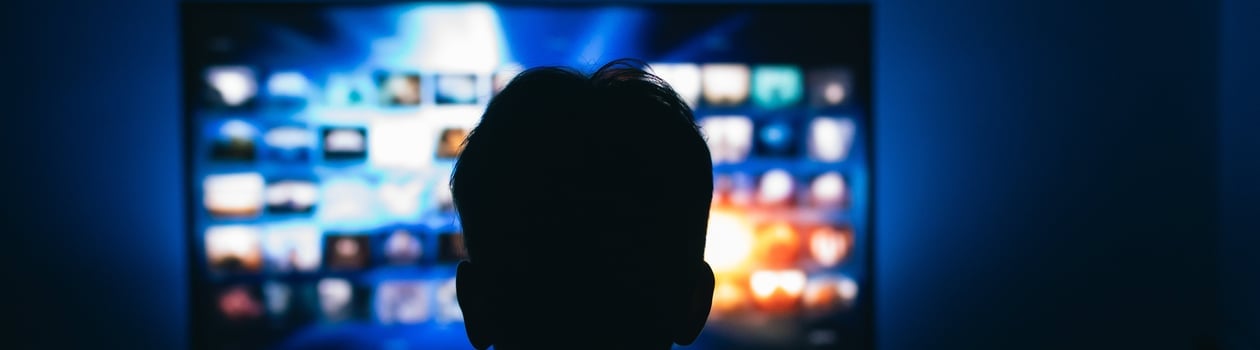
Gone are the days of missing out on, or even having to record and re-watch, a favorite television show because it was on at an inconvenient time. Today’s world allows almost anything to be accessed through streaming, almost instantly, and often at just the touch of a button.
National Streaming Day celebrates the amazing privilege (and sometimes overwhelm!) that comes from having the world on video right at your fingertips! It’s a day to appreciate how far entertainment has come, from waiting a week for the next episode to instantly queueing up an entire season, and from flipping channels to choosing exactly what fits the mood.
Streaming also goes beyond TV and movies, covering live sports, concerts, gaming, and user-created content, all delivered through the same basic magic trick: data sent over the internet in real time, neatly packaged so it plays smoothly on a phone, tablet, laptop, or television.
Of course, streaming comes with its own modern quirks. There are more apps than any one person can keep track of, “What should we watch?” can take longer than the show itself, and there is always the temptation to watch just one more episode.
National Streaming Day leans into all of that. It’s a reason to explore something new, make streaming feel intentional instead of automatic, and maybe even learn a few tricks to get a better picture quality, smarter recommendations, and more value out of the services already in use.
How to Celebrate National Streaming Day
Consider Switching Streaming Services
The world used to be a place where it was complicated to change cable companies and even some streaming services came with an annual subscription. But, in today’s competitive world, it can be much easier to ‘play the field’ when it comes to streaming services.
Those who have had one for a while, like Netflix, might be interested in putting that subscription on hold for a while to see what Hulu or Apple TV has to offer.
National Streaming Day is just the time to get a deal and check out something new in the world of streaming!
To make switching feel less like paperwork and more like a fun experiment, it helps to take a quick inventory first. Many households pay for overlapping libraries without realizing it. One service might be best for prestige dramas, another for reality competitions, another for kids’ programming, and another for live sports. Rotating subscriptions, even temporarily, can keep the monthly bill in check while keeping choices fresh.
A simple approach is the “theme month” method:
- Pick one service to keep as a baseline (the one used most).
- Pause one service that has been feeling stale.
- Add one new service for a set window of time.
- Build a watch list before signing up so the new subscription gets used right away.
It also pays to explore bundling and add-on options carefully. Some platforms offer discounted bundles, student plans, or tiers that trade ads for a lower price. For viewers who don’t mind occasional commercials, ad-supported plans can stretch the entertainment budget without sacrificing access to new releases. On the other hand, anyone who streams frequently might prefer ad-free tiers for smoother binge sessions and fewer interruptions in movies.
Switching can also be a chance to tidy up streaming settings that quietly affect the experience. Many platforms allow multiple user profiles, separate watch lists, and tailored recommendations. Setting up profiles for different household members prevents the algorithm from getting confused by mixed tastes, and it makes it easier to return to a series without hunting through a shared queue.
Finally, there’s the practical side: remember to cancel the right way. Some services keep access until the end of the billing cycle, others offer pro-rated changes, and some make it easy to restart later without losing profiles. National Streaming Day is a good reminder that streaming is meant to be flexible, not a “forever” commitment.
Stream with a Public Library Card
Why not get free access to thousands of movies, documentaries, shows, and more that can be streamed through services offered by the local public library?
While not every library may have the movie that’s wanted on DVD, many libraries are part of a larger network of streaming services. Some of the most popular services are Kanopy, cloudLibrary, and Hoopla, so be sure to ask at the library or check out the library website for more information!
Library streaming is one of the most satisfying streaming “hacks” because it feels like finding an extra shelf of entertainment that was there all along. Many people associate libraries with books and quiet study rooms, but modern library systems often include robust digital collections: films, television, audiobooks, music, magazines, and language learning tools.
Library-based streaming tends to work a little differently than commercial platforms, and understanding the rules helps avoid frustration:
- Access typically requires a library card and sometimes a PIN.
- Content availability can vary by library system because each system licenses its own collection.
- Some services use a “monthly credit” or “borrow limit” system rather than unlimited viewing.
- Certain titles may rotate in and out, similar to how physical displays change.
This setup has its perks. Libraries often curate thoughtfully, making it easier to find award-winning independent films, documentaries, classic cinema, and educational programming that might be buried on larger apps. For families, library catalogs can be a gold mine for kids’ books adapted into read-alongs, animated specials, and school-friendly documentaries.
National Streaming Day can be the perfect excuse to make library streaming a group activity: pick a documentary topic, choose a classic film everyone has heard of but never watched, or explore international cinema as a mini “film festival” night at home. Add the classic library touch by pairing the stream with a related book, cookbook, or music album borrowed from the same system.
It can also be a good moment to review privacy settings and account security. Library services require login details, and many people stream on shared devices like smart TVs or tablets. Logging out after use on public or shared screens and using strong passwords helps keep accounts tidy and personal viewing private.
National Streaming Day Timeline
First Live Internet Video Broadcast
Engineers on the experimental MBone network transmitted a live multicast of the Xerox PARC research seminar, demonstrating one of the first publicized live video streams over the Internet.
RealAudio Brings Streaming Media to Consumers
Progressive Networks (later RealNetworks) launched RealAudio, enabling continuous audio playback over the Internet and popularizing streaming media among ordinary users. [1]
Netflix was founded as a DVD‑by‑Mail Service
Netflix was founded in California as a DVD‑by‑mail rental company, laying the groundwork for its later shift to on‑demand video streaming that would transform home entertainment. [1]
YouTube Launches User‑Generated Video Streaming
Three former PayPal employees launched YouTube, allowing users to upload and stream videos easily in a web browser, which rapidly accelerated the global adoption of online video streaming. [1]
Netflix Introduces “Watch Now” Streaming
Netflix added its “Watch Now” feature, allowing subscribers to instantly stream movies and TV shows over the Internet instead of waiting for physical DVDs, marking a major shift toward subscription video-on-demand. [1]
Roku Releases First Netflix Streaming Player
Roku and Netflix collaborated to release the Netflix Player, a small set‑top box that streams Netflix content directly to televisions and helps move streaming from computers into the living room.
Netflix Originals Signal a New Era in TV
Netflix debuted its first major original series, including “House of Cards” and “Orange Is the New Black,” showing that streaming platforms can finance and distribute prestige television on par with traditional networks.
History of National Streaming Day
In existence for at least a decade, National Streaming Day first got its start in May of 2014 when it was founded by the streaming platform, Roku.
The event was started as a way to encourage individuals, families, and groups of friends to show appreciation for and celebrate the freedom that comes from being able to stream movies and shows.
The inaugural celebration of National Streaming Day was scheduled to take place on the anniversary of the release of Roku’s first streaming device, which took place on May 20, 2008.
While the original event was more about encouraging people to use their streaming devices, that landscape has been completely transformed – so much so that most people do it on a regular if not daily basis.
What this event has evolved into, however, is an opportunity for streaming services and platforms to celebrate through the announcement of new releases, exclusive news, or sneak peeks into streaming media that is coming soon.
Some companies give deals for new customers who sign up for their services or start a new bundle, or discounts may be available for those who purchase new streaming hardware.
ESPN, Disney, Hulu, Roku, and other platforms have all gotten involved with making National Streaming Day into an exciting event.
Even some public libraries have gotten on board because they offer free streaming services to those who hold a library card. Now that’s a great deal!
National Streaming Day makes more sense when viewed as part of a bigger shift in how video has moved through the world. For decades, television meant a schedule: networks chose what aired, when it aired, and how often reruns appeared. Home video improved control, first with tapes and then discs, but viewers still had to buy, rent, or borrow specific titles. Streaming flipped the model by making access more important than ownership, and by making “on demand” the default expectation.
That expectation didn’t appear overnight. Streaming became mainstream because multiple pieces matured at once:
- Faster, more reliable home internet connections
- Better video compression that shrank huge files into streamable sizes
- Smarter “adaptive” technology that adjusts quality to match the connection, reducing buffering
- More powerful devices, from smartphones to smart TVs, capable of decoding high-quality video
Hardware platforms like Roku played a major role by making streaming simpler on the biggest screen in the house. Rather than connecting a computer to a TV, a dedicated device could bring multiple services into a single, familiar interface. That convenience helped streaming feel less like a tech hobby and more like a normal way to watch.
As streaming grew, it changed not only viewing habits but also production habits. Seasons became binge-friendly, episodes were structured with fewer breaks, and recommendations began guiding discovery as much as trailers or TV ads. “What’s popular” started to spread through social chatter, memes, and group texts just as much as through traditional entertainment media.
National Streaming Day also reflects the way streaming turned into an ecosystem, not a single product. There are subscription services, free ad-supported channels, premium rentals, live TV substitutes, and niche platforms for specific genres. The “streaming wars” era expanded choice dramatically, which is thrilling and, at times, chaotic. Viewers gained flexibility, but they also gained decision fatigue.
That’s why the day resonates beyond any one company. It’s a cultural marker for a new normal: entertainment that follows people wherever they are, tailored to the screen they have, available in seconds, and shaped by both personal taste and the invisible logic of recommendation engines.
On the business side, National Streaming Day has become a familiar moment for platforms to highlight what streaming does best: rapid announcements, surprise releases, new features, and special pricing meant to tempt anyone who has been “thinking about trying it.”
For consumers, it’s a useful reminder to reassess what’s worth paying for, what’s gathering digital dust, and what hidden gems are waiting inside services already on the home screen.
Key Facts About the Evolution of Streaming
From early live-streaming experiments in the 1990s to the rise of global platforms and new viewing habits like binge-watching, streaming has transformed how content is delivered, consumed, and even how it impacts our daily lives.
The First Major Live-Streamed Sports Broadcast Predated Widespread Broadband
On September 5, 1995, ESPN SportsZone and Internet provider Progressive Networks (later RealNetworks) streamed audio coverage of a Major League Baseball game between the Seattle Mariners and New York Yankees over the internet to thousands of listeners, at a time when most home users were still on dial-up connections.
This experiment is widely cited as one of the first large-scale live sports streams and demonstrated that real-time broadcasting over the internet was technically possible long before high-speed home broadband was common.
Streaming Video Helped Turn Netflix From DVD Mailer to Global Studio
Netflix launched in 1997 as a DVD-by-mail rental service and did not begin streaming video until 2007, when it introduced “Watch Now” with about 1,000 titles available only on PCs.
Within a few years, streaming had eclipsed DVDs as its core business, and by the mid‑2010s, Netflix was spending billions annually on original productions worldwide, transforming from a logistics company into one of the world’s largest content studios.
Binge-Watching Has Been Linked to Sleep Problems and Poorer Well-Being
As streaming made it easy to watch multiple episodes in one sitting, researchers began studying “binge-watching” as a distinct behavior.
A 2017 study of young adults in Belgium found that frequent binge-watchers reported poorer sleep quality, more fatigue, and more insomnia symptoms than non–binge-watchers, in part because they delayed bedtime to keep watching and remained mentally aroused after stopping.
The authors suggested that the on-demand nature of streaming may contribute to chronic sleep curtailment.
Public Libraries Quietly Became Gateways to Streaming Media
Many public library systems in the United States and other countries now license streaming platforms such as Kanopy and Hoopla, allowing cardholders to watch films, documentaries, and television free of charge.
The American Library Association notes that these digital services have become an important part of library offerings, extending access to media for people who cannot afford commercial subscriptions and supporting educational use with curated collections from independent and international distributors.
Video Streaming Accounts for the Majority of Global Internet Traffic
With the growth of platforms like YouTube, Netflix, and TikTok, video streaming has come to dominate data flows on the internet.
Networking company Sandvine has repeatedly reported that video applications account for well over half of global downstream internet traffic, with Netflix alone at times representing double-digit percentages in certain regions.
This heavy concentration of video traffic shapes how internet service providers design networks and manage congestion.
Streaming’s Carbon Footprint Depends Heavily on Devices and Networks
Several life‑cycle analyses have shown that the environmental impact of streaming is not fixed and can vary widely depending on viewing habits. Research summarized by the International Energy Agency indicates that watching video on a small, efficient device over a modern fiber or 4G/5G network can consume far less energy than viewing on a large television, and that earlier high estimates of streaming emissions were significantly overstated. Improving data centers, networks, and home equipment can all reduce streaming’s carbon footprint.
Live Streaming Has Become a Tool for Real-Time Citizen Journalism
The advent of mobile live-streaming platforms such as Facebook Live, Periscope, and later Instagram Live allowed ordinary people to broadcast events as they unfolded, without traditional news gatekeepers.
Academic and human-rights observers have documented how live streams from protests and social movements in the 2010s, including demonstrations in the United States and the Middle East, were used to document police actions, coordinate participants, and draw global attention, illustrating how streaming technology has reshaped information flows in civic life.
National Streaming Day FAQs
Did you know the first live-streamed event was a baseball game in 1995?
On September 5, 1995, ESPN streamed a live radio broadcast of a baseball game between the New York Yankees and the Seattle Mariners.
This event marked the beginning of live sports streaming, paving the way for today’s digital broadcasts.
Why is National Streaming Day celebrated on May 20?
Roku established National Streaming Day on May 20 to commemorate the anniversary of their first streaming device launch, The Netflix Player, on May 20, 2008.
How did the COVID-19 pandemic impact streaming habits?
During the 2020 pandemic, streaming services saw a significant surge in usage.
With people staying at home, platforms like Netflix, Hulu, and Amazon Prime Video experienced a tremendous increase in viewership, making streaming a primary source of entertainment and connection during challenging times.
What was the first streaming film to win an Oscar for Best Picture?
“CODA,” available on Apple TV+, became the first streaming film to win the Academy Award for Best Picture. This milestone highlighted the growing influence of streaming platforms in the film industry.
What’s the strangest thing ever live-streamed?
One of the strangest live streams was “Slow TV” from Norway, which included hours-long broadcasts of mundane events like knitting or a train ride through scenic landscapes.
A 134-hour live stream of a coastal ferry journey became a massive hit, attracting millions of viewers.
This phenomenon highlights the unexpected appeal of immersive, relaxing experiences in the streaming world.
Are there any myths about streaming quality compared to traditional media?
A common misconception is that streaming quality is inferior to traditional media formats.
However, with advancements in technology, many streaming services now offer high-definition and even 4K content, rivaling or surpassing traditional broadcast quality.
How do different cultures celebrate National Streaming Day?
While primarily observed in the United States, the influence of streaming is global.
In various countries, people celebrate by hosting virtual watch parties, exploring international films, or engaging in online discussions about favorite shows, reflecting the universal appeal of streaming media.
What role did YouTube play in the evolution of streaming?
Founded in 2005, YouTube allowed users to upload and share videos easily, becoming one of the most visited websites worldwide. This platform paved the way for user-generated content and influenced the development of other streaming services.
How have streaming services influenced the production of original content?
Streaming platforms like Netflix began producing original content in 2013, with shows like “House of Cards” and “Orange Is the New Black.”
This shift allowed for more creative freedom and diverse storytelling, changing the landscape of television and film production.
How has live streaming changed political and social movements?
Live streaming has become a vital tool for activism. Platforms like Facebook Live and Periscope enabled individuals to broadcast events in real-time, fostering global awareness.
For example, during the 2010s, live streams of protests like the Arab Spring and Black Lives Matter demonstrations brought immediate attention to social issues, bypassing traditional media.
This direct approach empowered grassroots movements to share unfiltered content and reach a worldwide audience.



You may also like

National Cut the Cord Day
National Cut the Cord Day is a lively celebration of a very modern kind of freedom: the freedom to watch what people want, when they want, without a cable box glowing in the corner like an expensive night-light. It encourages viewers to move away from traditional cable or satellite TV...
National Television Heritage Day
Celebrate National Television Heritage Day by exploring TV’s history, cultural impact, and evolution—from early broadcasts to today’s digital, global storytelling.

Global Movie Day
Global Movie Day is a vibrant celebration of cinema, bringing together film fans worldwide. Organized by the Academy of Motion Picture Arts and Sciences, this event highlights the power of movies to connect people across different cultures and backgrounds. The celebration of Global Movie Day focuses on movies' universal appeal...

National Library Workers Day
Thank your librarian, or even volunteer at your local library to gain an appreciation for what these hard-working public servants do every day for our society.
National days and holidays on May 20

World Bee Day
Discover World Bee Day, a global celebration raising awareness of vital pollinators, their role in ecosystems and food crops, and simple ways to protect them.

Cannes Film Festival
The Cannes Film Festival is one of the most glamorous and important events in the film industry. Held annually in the beautiful city of Cannes on the French Riviera, this festival draws the biggest names in cinema, from directors to actors. The red carpet is a dazzling display of style...

International Clinical Trials Day
Discover the history and impact of International Clinical Trials Day, honoring medical research, volunteers, and breakthroughs that improve patient care worldwide.
- Australia
- Canada
- United Kingdom
- and 1 more

National Women in Aerospace Day
National Women in Aerospace Day celebrates women shaping aviation and space, promotes diversity in STEM careers, and inspires future generations to soar.
Seize Every Day
Join free for personalised recommendations, email reminders and exclusive guides. Never miss a day.