
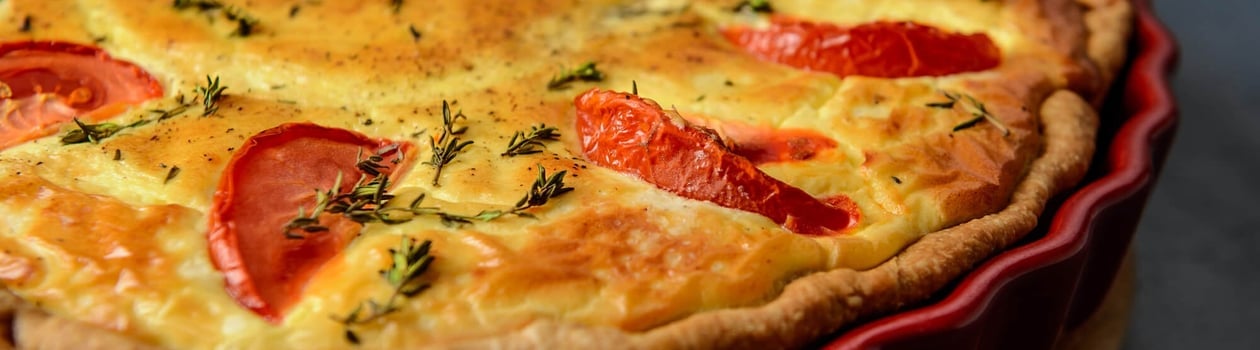
A dreamy marriage of creamy custard and crisp pastry, quiche Lorraine is one of those dishes that manages to feel both comforting and a little fancy at the same time.
It can be served warm for a cozy meal, chilled for a picnic-friendly slice, or cut into tiny squares to disappear from a party platter in minutes.
National Quiche Lorraine Day spotlights this classic savory tart and all the small pleasures that come with it: flaky crust, smoky bacon, and a silky filling that somehow tastes like more than the sum of its simple parts.
The quiche Lorraine has a history almost as rich as its crumbly crust and is enjoyed widely as a make-ahead breakfast, lunch, or light supper. It’s the kind of recipe that welcomes practice, personal touches, and a little good-natured debate about what “counts” as authentic.
So it’s no surprise that fans of the meal have made this a day to celebrate everything that’s great about this delicious, satisfying treat.
How to Celebrate National Quiche Lorraine Day
Enjoy Eating Some!
Feeling hungry? A slice or two of quiche Lorraine is more than enough to satisfy that craving. The simplest way to celebrate is to enjoy it, taking a moment to appreciate what truly makes a great one.
A properly made quiche Lorraine should have a delicate, buttery crust that keeps its shape when cut, along with a custard that is firm yet soft. The filling should be savory and lightly rich, never rubbery, watery, or too eggy. The bacon (or lardons) should bring a smoky taste with crisp edges, without overpowering the smooth custard.
For an easy celebration, grab a slice from a bakery, café, or market and try it in two ways: gently warmed and straight from the fridge. Heating enhances the aroma of the bacon and butter, while a chilled slice highlights the structure and shows whether the custard is smooth and well set.
To turn it into a small tasting experience, pair quiche Lorraine with simple sides:
- A sharp, lightly dressed green salad to balance the richness
- Fresh fruit for a brunch-style feel
- Roasted potatoes or a bowl of soup for a more filling meal
- Pickles, mustard, or a tangy relish if the quiche is particularly creamy
Since quiche is incredibly versatile, this is also a great chance to try a new variation. Some keep it traditional, while others add cheese, herbs, or extra seasoning. Exploring different styles is part of the experience.
Try Making Quiche Lorraine
If you feel inspired in the kitchen, this is a perfect opportunity to make quiche Lorraine yourself. It looks impressive but is quite manageable, and once you learn the basics, it becomes an easy go-to recipe for brunches, meal prep, or gatherings.
At its core, quiche Lorraine is built from a few essentials:
- A shortcrust pastry shell
- A custard made from eggs and dairy
- Bacon or lardons for depth of flavor
- Seasoning that enhances without overwhelming
You’ll need bacon, eggs, cream, milk, and possibly cheese. For a more authentic approach, making the pastry from scratch is worth the effort. Fresh pastry tends to be more tender and flavorful, giving the quiche a true bakery-quality finish.
A few key tips can elevate your quiche:
- Prevent a soggy crust
A common issue is a damp base. Blind-baking the crust before adding the filling helps keep it crisp. Using pie weights or dried beans prevents the pastry from puffing during baking. - Cook and drain the bacon
Always cook the bacon first. This boosts flavor and prevents excess fat from affecting the custard. Let it drain well to keep the filling smooth rather than greasy. - Don’t overwork the custard
Mix the eggs and dairy until just combined, avoiding foam. Too much air creates an uneven texture that may collapse after baking. Aim for a smooth, silky mixture. - Season carefully
Bacon already adds salt, so go lightly. Freshly ground black pepper is a classic addition, and a small amount of nutmeg can add subtle warmth without overpowering the dish. - Bake until just set
The quiche is ready when the edges are firm and the center has a slight wobble. It will continue to set as it cools. Overbaking results in a dry, grainy texture. - Let it rest before slicing
Cutting too early can cause the custard to break. Letting it rest helps it set properly and allows for clean slices, especially important for presentation.
You can also adjust the richness. Some prefer using only cream for a richer texture, while others mix cream and milk for a lighter result. Either approach works as long as the custard is balanced and baked gently.
Gather Friends Together
Quiche is ideal for sharing, making this day a great excuse to bring people together for a relaxed meal. It works perfectly for brunch, lunch, or a casual dinner where everyone can enjoy small portions and conversation.
Because it travels well and tastes great at room temperature, it’s also perfect for picnics. Add a salad, fresh vegetables with dip, and a simple dessert, and you have a complete meal with minimal effort. It’s a dish that allows the host to relax rather than cook at the last minute.
Simple ways to make it social:
- Quiche swap: Each person brings a quiche or tart. One sticks to classic Lorraine, while others bring variations with mushrooms, spinach, tomatoes, or different cheeses.
- Build-your-own sides bar: Keep the quiche consistent and let guests customize with salads, pickles, herbs, sauces, or mustards.
- Brunch board: Serve quiche alongside fruit, yogurt, jam, bread, and drinks for a visually abundant spread using simple ingredients.
Make sure there’s plenty, as quiche tends to disappear quickly. It’s also a good idea to include a vegetarian option, such as a cheese and vegetable quiche, so everyone has something to enjoy.
Have a great National Quiche Lorraine Day!
National Quiche Lorraine Day Timeline
Medieval Custard Pies Emerge in Europe
Cooks across medieval Europe began baking open-faced tarts filled with eggs and cream in sturdy pastry “coffins,” precursors to later custard pies like quiche.
German Kuchen and Alsace–Lorraine Tarts
In German-speaking regions, savory custard-topped breads and tarts called “Kuchen” were baked, influencing the borderland cuisines of Alsace and Lorraine.
Lorraine Develops Its Rich Egg and Cream Traditions
Rural cooks in Lorraine refined dishes based on cream, bacon, and eggs, creating the culinary setting for an eventually named “quiche Lorraine.”
Quiche Becomes Recognized in French Regional Cooking
French regional food writers began noting savory open pies from Lorraine that match the modern profile of quiche, even before the dish was widely codified.
Escoffier Codifies Quiches in Haute Cuisine
Auguste Escoffier’s “Le Guide Culinaire” included quiches and savory egg tarts, helping move them from regional fare in eastern France into classic French cuisine.
Quiche Lorraine Gains Popularity in Britain and the United States
Postwar fascination with French cooking leads British and American magazines and cookbooks to feature quiche Lorraine, turning it into a fashionable dish for entertaining.
Quiche Becomes a Global Brunch Staple
As casual dining and brunch culture spread, restaurants around the world adopted quiche Lorraine and its variations, firmly establishing quiche as an international classic.
History of National Quiche Lorraine Day
A quiche is an open-faced pastry filled with a savory egg custard and various ingredients like vegetables or meat. Although strongly associated with French cuisine, its origins are tied to regions where cultures and traditions overlap.
The word “quiche” is often linked to the German word kuchen, meaning cake, reflecting a broader Central European tradition of baking custard-based dishes in pastry. In regions where French and German influences meet, culinary techniques and recipes naturally blend, shaping the dish we recognize today.
Quiche Lorraine takes its name from the Lorraine region of France. It developed as a simple open pie made with eggs, cream, and pieces of pork. Earlier versions used lardons or pork fat, reflecting a practical, rural cooking style that made use of preserved ingredients to create filling meals.
Over time, the recipe evolved. Today, quiche Lorraine typically includes bacon, offering a familiar smoky flavor and a more balanced texture. The custard remains the defining feature, setting it apart from other savory pies that rely on heavier fillings.
Traditionally, quiche Lorraine did not include cheese. While many modern recipes add it, the original emphasizes eggs, cream, and pork. Adding cheese creates a richer taste and can improve browning and texture, which is why it’s commonly used today.
When cheese is added, options like Swiss, Gruyère-style, or cheddar are popular. Each brings a slightly different flavor: Swiss is mild and nutty, Gruyère adds depth, and cheddar offers a sharper taste. The key is moderation, as too much cheese can make the filling heavy.
Onions are another detail that varies. In classic Lorraine-style quiche, onions are not a primary ingredient. Versions that include them are often linked to Alsatian variations, sometimes referred to as quiche Alsacienne. These small differences reflect regional styles rather than strict rules.
National Quiche Lorraine Day highlights the traditional version but also celebrates quiche as a whole. Its popularity comes from its practicality: simple ingredients, flexible preparation, and suitability for different meals.
Ultimately, the dish represents a balance of simplicity and elegance, turning basic ingredients into something satisfying, refined, and perfect for sharing.
The Origins and Science Behind Quiche Lorraine
Quiche Lorraine is more than just a classic French dish—it’s a blend of history, culture, and culinary technique.
From its roots in the Franco-German borderlands to the evolution of its ingredients and the science behind its signature custard, each element reveals how a simple recipe became a timeless favorite enjoyed around the world.
Birth of Quiche in the Borderlands of Lothringen
What is now known as quiche is widely linked to the border region historically called Lothringen, or Lorraine, an area that changed hands between French and German rule and blended both culinary traditions.
Food historians note that the term “quiche” likely derives from the German word “Kuchen,” meaning “cake,” reflecting that early versions were rustic, bread- or dough-based “cakes” filled with savory custard and pork, rather than the delicate tart known today.
How Cheese Became a Late Arrival to Quiche Lorraine
Traditional quiche Lorraine was originally a simple mixture of eggs, cream, and smoked pork in a pastry shell, and did not include cheese at all.
French culinary references point out that adding grated Gruyère or other cheeses became common only in later home and restaurant adaptations, to the point where many modern diners assume cheese is essential, even though purists in Lorraine still regard a cheese‑free version as the canonical dish.
The Science Behind a Silky Quiche Custard
A quiche’s texture depends on precise egg protein coagulation: food science research shows that a custard sets somewhere between about 160 °F and 180 °F, with higher temperatures causing curdling and water separation.
Using heavy cream instead of or in addition to milk dilutes the concentration of egg proteins and adds fat, which raises the curdling threshold and creates a smoother, more stable custard, which is why many classic quiche Lorraine formulas call for a high ratio of cream to milk.
Why Blind Baking Matters for Quiche Pastry
Professional baking guides emphasize blind baking, or pre‑baking the pastry shell before adding the filling, as critical for egg-based tarts like quiche.
The hot, partially baked crust forms a moisture barrier that slows the custard from soaking in, preventing a soggy bottom, and also allows the dough’s starches to gelatinize and fats to set, so the shell stays crisp even after prolonged exposure to a liquid filling in the oven.
Lorraine’s Climate Helped Shape Its Rich Cuisine
The Lorraine region developed a reputation for hearty, calorie-dense dishes in part because of its cool continental climate and historically agrarian lifestyle.
Regional overviews from French tourism and cultural agencies highlight that staples such as smoked pork, cream, and eggs were preserved or farm products that provided needed energy through cold winters, which explains why dishes like quiche Lorraine, potée Lorraine, and bacon-heavy tarts became emblematic of the local table.
Quiche and the “Real Men Don’t Eat Quiche” Backlash
In the late 20th century, quiche became entangled in gender stereotypes in the English-speaking world, especially after the 1982 satirical book “Real Men Don’t Eat Quiche” mocked the dish as a symbol of faddish, “unmanly” food.
Media coverage and food historians have noted that, despite the joke, the book both reflected and fueled a brief backlash against quiche’s fashionable status in American and British dining, even as the dish quietly remained a brunch and café staple.
US Food-Safety Rules for Egg-Based Dishes Like Quiche
Government food-safety agencies treat quiche as a potentially hazardous food because of its egg and dairy-rich filling, which can support rapid bacterial growth if held at unsafe temperatures.
The U.S. Department of Agriculture advises cooking egg dishes to an internal temperature of at least 160 °F, refrigerating leftovers within two hours, and reheating to 165 °F, guidelines that apply directly to quiche Lorraine and similar savory custard pies.
National Quiche Lorraine Day FAQs



You may also like
National Canadian Bacon Day
This savory meat is a breakfast staple, often served with eggs and toast. It's a delicious and protein-packed way to start your day!
- Canada
- United Kingdom
- United States
National Bacon Day
Fry up a crispy, meaty treat for every meal of the day or try weird and wonderful creations like bacon brownies and bacon-flavored floss.
- United States
National Bacon Lovers Day
National Bacon Lovers Day is a delightful celebration for all bacon enthusiasts. This day highlights the universal appeal and deliciousness of bacon. People from all corners of the globe come together to indulge in their favorite bacon dishes. Whether it's crispy strips for breakfast or creative bacon-infused treats, this day...
- Australia
- Canada
- United Kingdom
- and 1 more
National Frozen Custard Day
A uniquely creamy dessert, frozen custard tastes like ice cream has been leveled up! National Frozen Custard Day provides an opportunity to celebrate this heavenly treat. And for those who have never tried frozen custard? This is the perfect time! How to Celebrate National Frozen Custard Day There’s hardly anything better...
- Australia
- Canada
- United States
National days and holidays on May 20
World Bee Day
Discover World Bee Day, a global celebration raising awareness of vital pollinators, their role in ecosystems and food crops, and simple ways to protect them.
- International

Cannes Film Festival
The Cannes Film Festival is one of the most glamorous and important events in the film industry. Held annually in the beautiful city of Cannes on the French Riviera, this festival draws the biggest names in cinema, from directors to actors. The red carpet is a dazzling display of style...
- France

National Streaming Day
Celebrate National Streaming Day by exploring new platforms, free library services, and the evolving world of on-demand video that’s reshaping entertainment.
- Canada
- United Kingdom
- United States

International Clinical Trials Day
Discover the history and impact of International Clinical Trials Day, honoring medical research, volunteers, and breakthroughs that improve patient care worldwide.
- Australia
- Canada
- United Kingdom
- and 1 more
Seize Every Day
Join free for personalised recommendations, email reminders and exclusive guides. Never miss a day.