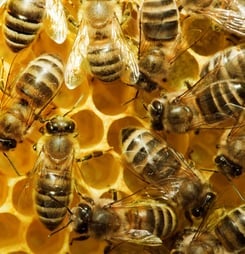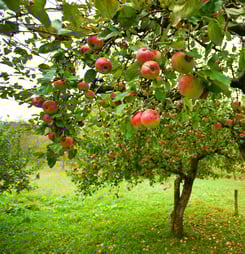
Imagine biting into an apple so crisp and sweet it feels like nature’s candy. That’s the SugarBee® apple, a delightful result of a honeybee’s chance encounter between a Honeycrisp blossom and an unknown apple variety.
This happy accident led to an apple bursting with honeyed sweetness and a satisfying crunch. Grown in the picturesque orchards of Washington State, the SugarBee® apple has quickly become a favorite among fruit lovers nationwide.
To honor this exceptional fruit, apple enthusiasts across the country come together each year for National SugarBee® Apple Day.
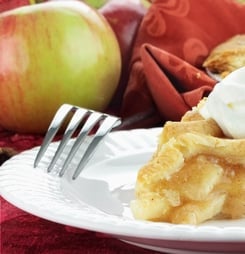
This celebration invites everyone to indulge in the unique flavor of SugarBee® apples, whether enjoyed fresh, baked into a pie, or shared with friends and family.
It’s a day to appreciate not only the delicious taste but also the natural wonder that brought this apple to our tables. So, when you sink your teeth into a SugarBee® apple, remember the serendipitous bee that made it all possible.
National Sugarbee® Apple Day Timeline
Honeycrisp’s Foundational Parent Developed
The University of Minnesota’s fruit breeding program releases the ‘Keepsake’ apple, one of the key parents later used to create Honeycrisp, helping launch a new era of cold-hardy, high‑quality dessert apples.
Washington State’s Apple Commission Formed
Washington establishes the Washington Apple Commission to promote and support its growing apple industry, reinforcing the state’s role as a leader in commercial apple production and marketing.
Honeycrisp Apple Cross Created
Breeders at the University of Minnesota make the controlled cross MN 1711 × ‘Keepsake,’ producing the seedling that will eventually be named Honeycrisp and widely admired for its crisp texture and balanced sweetness.
Chance Honeycrisp Seedling Found in Minnesota
Orchardist Chuck Nystrom discovers an unusual Honeycrisp seedling in his Foley, Minnesota, orchard, a chance cross-pollination that later proves to have distinctive sweetness and crunch valued by growers and consumers.
Honeycrisp Released to Growers
The University of Minnesota officially releases Honeycrisp to the public, and its rapid popularity for exceptional flavor and texture fuels interest in breeding and identifying new, premium apple cultivars.
Washington Growers Begin Testing Nystrom’s Seedling
Washington’s Chelan Fruit cooperative and grower partners start trial plantings of the Minnesota seedling in Central Washington orchards, evaluating its performance and flavor under commercial growing conditions.
SugarBee Apple Enters Broad Commercial Market
After years of testing and limited planting, the new Honeycrisp-descended apple from Nystrom’s seedling is launched commercially under the name SugarBee, quickly gaining attention as a premium branded variety.
How to Celebrate National Sugarbee® Apple Day
National SugarBee® Apple Day offers a delightful opportunity to indulge in the crisp, honeyed sweetness of this unique apple variety. Here are some playful and engaging ways to celebrate:
Host a SugarBee® Apple Tasting Party
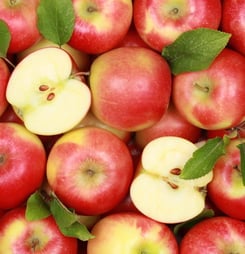
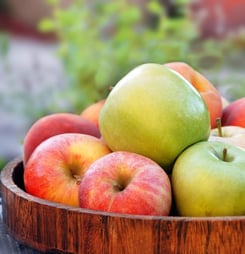
Gather friends and family for a tasting event. Slice up SugarBee® apples alongside other varieties like Honeycrisp or Fuji. Compare flavors, textures, and sweetness levels.
This fun activity can spark lively discussions and perhaps reveal new favorite apples.
Create Delectable Apple Dishes
Unleash your inner chef by incorporating SugarBee® apples into various recipes.
Their natural sweetness and firm texture make them perfect for pies, crisps, or even savory dishes like apple-stuffed pork chops. Experimenting in the kitchen can lead to delicious discoveries.
Craft with Apple Prints
Engage in a creative project by making apple stamp art. Cut SugarBee® apples in half, dip them in paint, and press onto paper or fabric to create unique patterns.
This activity is enjoyable for all ages and adds a fruity flair to your artwork.
Visit a Local Orchard
Take a trip to a nearby orchard that grows SugarBee® apples. Experience apple picking firsthand, learn about the cultivation process, and enjoy the fresh air. It’s a wholesome way to connect with nature and support local agriculture.
Share Your Experience Online
Join the broader celebration by sharing your SugarBee® apple adventures on social media. Post photos of your tasting party, recipes, or crafts using the hashtag #SugarBeeAppleDay.
Connecting with fellow enthusiasts can enhance the festive spirit.
History of National Sugarbee® Apple Day
National SugarBee® Apple Day buzzed into existence in 2023, thanks to a collaboration between National Day Calendar® and SugarBee® Apples.
This day celebrates the unique SugarBee® apple, a delightful result of nature’s handiwork. The apple originated from a chance cross-pollination between a Honeycrisp blossom and an unknown variety, orchestrated by a busy honeybee.
The journey of the SugarBee® apple began in the early 1990s when Minnesota orchardist Chuck Nystrom discovered this new variety in his orchard.
Recognizing its potential, growers in Washington State embraced the apple, leading to its commercial availability in 2016. National SugarBee® Apple Day serves as a sweet reminder of the serendipitous events that bring such delicious fruits to our tables.
Facts About National Sugarbee Apple Day
Bee Cross-Pollination Is Essential for Most Apple Varieties
Most modern dessert apples depend heavily on bees for cross-pollination, because many varieties are self-incompatible and cannot fertilize themselves.
Honey bees and wild bees move pollen between genetically distinct trees, which not only sets a good crop but also generates the genetic mixing that can produce new, chance seedlings that breeders and growers later select as novel cultivars.
Honeycrisp Sparked a New Era of Premium “Club” Apples
Released by the University of Minnesota in the 1990s, Honeycrisp was bred for its unusually crisp texture and juiciness, and its commercial success helped trigger a boom in “club” or managed varieties.
These apples, which include many Honeycrisp descendants, are controlled through licensing agreements that limit which growers can plant them and how they are marketed, turning apples into trademarked, premium-branded products.
Most Supermarket Apples Come from a Tiny Slice of Apple Diversity
Although there are more than 7,500 known apple cultivars worldwide, global production is dominated by a small handful of commercial types such as Gala, Red Delicious, Fuji, Granny Smith, and Honeycrisp.
This narrow focus simplifies marketing and logistics but also concentrates disease and climate risks, which is why researchers and specialty growers work to conserve a far broader range of apple genetics in orchards and genebanks.
Washington State Became the Powerhouse of the U.S. Apple Industry
Washington accounts for roughly two-thirds of all fresh apples produced in the United States, thanks to its combination of dry climate, irrigation from the Columbia River basin, and large, highly managed orchards.
The state’s growers have increasingly shifted acreage from older varieties like Red Delicious to newer premium apples, including Honeycrisp and its descendants, to meet changing consumer tastes.
Modern Apples Are Genetically Complex Hybrids
Most cultivated apples (Malus domestica) trace their primary ancestry to wild apples from Central Asia, especially Malus sieversii from the Tian Shan mountains, but centuries of trade and human selection have layered in genes from European crab apples and other species.
As a result, today’s eating apples are highly heterozygous, so seedlings from the same parent can show dramatically different traits in sweetness, texture, and storage life, which is why new cultivars often arise from individual chance seedlings noticed in orchards.
Honey Bees Are Big Business in Apple Orchards
For large commercial apple orchards, pollination is not left to chance. Growers often rent managed honey bee colonies, placing hives in orchards just ahead of bloom so that bees will work the flowers intensely during the short pollination window.
In regions with extensive apple plantings, the pollination fees paid to beekeepers can represent a major part of the value of the beekeeping operation, sometimes exceeding the value of the honey itself.
Temperature Swings Can Make or Break an Apple Crop
Apple trees require a period of winter “chilling” to break dormancy, followed by warm temperatures to initiate bloom, but unseasonal warm spells followed by hard frosts can devastate flower buds and sharply cut yields.
As climate patterns shift, researchers and growers in major apple regions are studying how changing chill hours, earlier bloom times, and more volatile spring weather may affect both existing varieties and breeding priorities for the next generation of apples.
National Sugarbee® Apple Day FAQs