

National Tamale Day invites everyone to savor tamales, a traditional Latin American dish made from corn dough filled with meats, cheeses, or vegetables, all wrapped in corn husks and steamed to perfection.
At once practical and celebratory, the tamale is built for sharing. It is tidy enough to carry, hearty enough to count as a meal, and customizable enough to make every cook feel like an artist. National Tamale Day leans into that spirit, spotlighting the patience and teamwork that go into turning a bowl of masa into a stack of warm, fragrant bundles.
This celebration highlights the rich flavors and cultural significance of tamales, emphasizing their role in bringing people together through food.
Tamales have a knack for showing up when people gather. They fit naturally into family traditions because they are often made in big batches, and big batches practically require company. Even when someone cooks solo, the steps feel like a small ritual: soaking husks, mixing masa to the right texture, seasoning a filling, then wrapping each one like a present that happens to be edible.
They also offer a delicious lesson in technique. The dough, called masa, is typically made from corn treated to improve flavor and texture, then mixed with fat and broth or water until it becomes spreadable. The filling can be as simple as shredded cheese with peppers or as rich as slow-cooked meat in a deep red sauce.
The wrapper, usually a corn husk but sometimes a leaf, holds everything together while the tamale steams, keeping it moist and gently perfuming it.
By honoring tamales, this day recognizes their deep roots in Latin American heritage and their evolution into a beloved dish across various communities. It encourages appreciation for the culinary traditions and the communal efforts involved in tamale-making, fostering a sense of unity and cultural pride.
Part of the tamale’s charm is that it reflects local tastes wherever it lands. One kitchen might favor spicy, saucy fillings; another might go heavy on herbs, roasted vegetables, or beans. Some tamales are small and snackable, others are generously sized.
Some are mild and comforting, others are fiery enough to demand a cooling sip of something sweet. That flexibility helps explain why tamales travel so well across generations and communities.
There is also craftsmanship hidden inside that humble husk. Good masa is not just “corn dough.” It should be light, tender, and evenly seasoned, not dry or dense. Fillings need to be flavorful on their own because they are surrounded by a mild dough.
Wrapping has its own logic, too: tight enough to hold shape, loose enough to allow the masa to expand as it cooks. National Tamale Day gives a friendly nudge to notice all those details and to appreciate the hands that make it look easy.
How to Celebrate National Tamale Day
National Tamale Day offers a delightful opportunity to indulge in the rich flavors of this traditional dish. Here are some playful suggestions to make your celebration memorable:
Host a Tamale-Making Fiesta
Bring friends and family together for a hands-on tamale-making gathering. Set up simple stations for soaking husks, spreading masa, adding fillings, and wrapping, so everyone can take part in the process.
A well-organized setup makes the experience smoother and more fun. One person can manage the husks, soaking them until soft and patting them dry.
Another can oversee the masa, keeping it covered to prevent drying. Someone else can handle fillings and sauces, keeping everything stocked and moving. Once the rhythm starts, even beginners quickly get the hang of it.
A few small details can make a big difference:
- Create a “practice husk” area so first-timers can learn how to spread masa evenly without pressure.
- Use the same scoop for masa and the same spoon for filling to keep sizes consistent for even steaming.
- Set aside a vegetarian section with separate tools and fillings to avoid mix-ups.
- Steam in batches. A large pot works well, but several smaller pots can be easier to manage in a busy kitchen.
The process is as rewarding as the result. Watching a pile of ingredients turn into a neat stack of wrapped tamales brings a quiet sense of accomplishment and teamwork.
Embark on a Tamale Tasting Tour
Turn the day into a flavor adventure by visiting local restaurants, food trucks, or markets to sample different styles. Instead of ordering one type, try a variety and compare textures and flavors.
Start with the masa. Is it light and fluffy or dense and hearty? Then notice the balance of filling. Some tamales focus on comfort and dough, while others are rich with sauce, meat, or vegetables.
A simple tasting scorecard can make the experience more engaging:
- Masa texture (moist, tender, crumbly, dense)
- Filling flavor (spicy, smoky, bright, rich, balanced)
- Heat level
- How well it pairs with salsa or toppings
- Overall “would order again” rating
The experience highlights an important truth: there is no single “correct” tamale. Every cook brings a different style, and that variety is part of the tradition.
Attend a Tamale Festival
If there is a local festival, join the celebration. These events often combine food vendors, music, and cultural performances, creating a lively community atmosphere.
The best approach is to arrive curious and pace yourself. Many vendors have their own techniques and flavor profiles, and sampling a range reveals just how versatile tamales can be.
Take time to talk with vendors when possible. A quick conversation about steaming methods, spice choices, or wrapper preferences adds depth to the experience. Cultural performances and music also help place tamales in their true context as a dish connected to heritage, storytelling, and shared identity.
If no festival is nearby, recreate the spirit with a potluck. Ask guests to bring different styles along with sauces or sides, then vote on fun categories like “most comforting,” “boldest flavor,” or “most creative filling.”
Pair Tamales with Signature Beverages
Great drinks can enhance the flavors and balance the richness of tamales. Because tamales are soft and hearty, beverages that add freshness, sweetness, or a hint of bitterness work especially well.
Easy pairing ideas include:
- Citrus drinks to brighten rich or meaty tamales
- Aguas frescas to cool the heat of spicy fillings
- Traditional hot chocolate for a warm, comforting combination
- Light beer or sparkling water to refresh the palate between bites
For a crowd-friendly nonalcoholic option, a simple fruit-and-lime agua fresca is festive, flexible, and pairs well with almost any filling.
Share Your Experience on Social Media
Capture the day by sharing photos or short videos using hashtags like #NationalTamaleDay. The moment when the husk is peeled back and steam rises makes for a naturally inviting image.
Helpful posts go beyond the photo. People often appreciate practical tips such as how to keep tamales warm, the best way to reheat them, or how to organize a wrapping station.
Ideas worth sharing:
- A quick demonstration of the wrapping technique
- Cross-section photos showing different fillings and textures
- Notes about what made a tamale stand out, such as tender masa, balanced seasoning, or a flavorful sauce
Sharing knowledge along with the celebration helps keep traditional cooking skills alive and accessible.
National Tamale Day Timeline
Early Mesoamerican Tamales
Archaeological and culinary studies suggest that maize dough dishes wrapped in leaves and steamed, recognizable as early tamales, were already part of Olmec and other early Mesoamerican diets, laying the groundwork for later regional tamal traditions.
Tamales in Aztec Ritual and Daily Life
In the Mexica (Aztec) world, tamales made from nixtamalized corn were everyday fare and also central to religious ceremonies, with specific types offered to different deities and served at weddings, harvest celebrations, and festivals.
Maize, Myth, and Maya Tamales
Among the Maya, maize was tied to the very creation of humans, and tamales featured in both daily meals and spiritual practices, reinforcing the idea that corn-based foods were gifts from the gods and symbols of communal identity.
Colonial Adaptation of Tamales
Following the Spanish conquest, Indigenous tamal traditions survived and adapted, incorporating Old World ingredients like pork and lard while remaining key foods at Catholic feast days and local celebrations across New Spain.
Tamales as Portable Food for Workers and Soldiers
In the 1800s, tamales spread widely through Mexico and neighboring regions as a convenient, portable meal for laborers, travelers, and soldiers, with fillings and wrappings varying by region but unified by the corn masa base.
Tamales Arrive in the United States
Historical food writers document tamales appearing in the United States by the late 1800s, especially in the Southwest and California, where Mexican cooks sold them from street carts and helped introduce the dish to non-Mexican diners.
Regional and Commercial Tamale Styles Emerge
By the early 1900s, tamales in the U.S. had diversified into regional forms, from Mexican American Christmas tamal traditions in Texas to canned and factory-made versions in cities, reflecting both commercialization and strong community-based home cooking.
History of National Tamale Day
National Tamale Day was established in 2015 by Richard Lambert, owner of Tamales-To-Go in Santa Barbara, California. His goal was to recognize the cultural significance of tamales and encourage people to enjoy them together.
The idea grew from a simple observation: many foods had dedicated celebration days, but tamales did not yet have one widely recognized. By giving fans a shared occasion, the celebration quickly found support among people who already loved the dish.
The day also reflects a much deeper history. Tamales date back to ancient Mesoamerican civilizations, where corn was central to daily life and cultural identity. Over time, countless variations developed, using different fillings, seasonings, and cooking techniques. Their enduring popularity comes from both practicality and flavor. Tamales are portable, easy to prepare in large batches, and ideal for sharing.
As tamales spread across regions and communities, they adapted to local tastes. In some places, they remain closely tied to family traditions and holiday gatherings. In others, they are everyday street food, served hot and ready to eat. This flexibility helps explain their lasting appeal.
Today, the celebration has grown across the United States. Restaurants, markets, and home cooks mark the day with special menus, cooking events, and tamale-making parties. Many communities host festivals featuring music, dance, and a wide range of styles.
Part of the day’s popularity comes from how naturally tamales bring people together. The process is collaborative and easy to divide into steps. One person mixes masa, another prepares fillings, and others focus on wrapping and steaming. Cooking becomes a shared activity rather than a solo task.
National Tamale Day also encourages curiosity about technique. It invites people to learn why husks are soaked, how steaming affects texture, and how the balance of dough and filling shapes the final result. Small discoveries, such as letting tamales rest briefly after steaming, often turn casual fans into enthusiastic home cooks.
What began as a simple idea has grown into a widely appreciated food celebration. National Tamale Day honors both the craftsmanship behind tamales and the sense of connection they create, bringing people together around a tradition that has endured for centuries.



You may also like

National Cookie Dough Day
Unbaked delight with a mix of sweetness and texture, a culinary temptation awaiting the oven's transformative touch.
- Australia
- Canada
- United Kingdom
- and 1 more
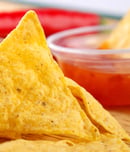
National Corn Chip Day
Corn chips have long been a beloved snack, satisfying cravings with their distinctive crunch and bold corn flavor. Typically crafted from ground cornmeal, shaped and then fried or baked, these bite-sized morsels have made their mark as one of the most versatile and accessible snack foods on the market. National...
- United States
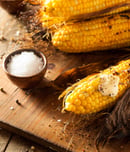
National Corn on the Cob Day
Celebrate National Corn on the Cob Day with grilling tips, seasoning ideas, fun corn facts, and global recipes that honor this sweet summer favorite.
- Canada
- Mexico
- United States

National Corn Dog Day
Get ready to enjoy a delicious snack on a stick! This crispy and savory treat will make your taste buds dance with joy.
- Canada
- United Kingdom
- United States
National days and holidays on March 23 2027

March Madness
Get your game face on for March Madness! This high-energy tournament is a slam dunk of excitement, passion, and heart-pumping action. So grab your team colors, gear up for the showdown, and let the madness begin!
- United States

World Meteorological Day
Unraveling the mysteries of weather's patterns, and predicting its whims — a thrilling exploration of our natural world.
- International
- Switzerland
- United Kingdom
- and 1 more
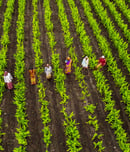
National Agriculture Week
National Agriculture Week shines a spotlight on the farmers, ranchers, and agricultural workers who fill our plates and fuel our lives. Behind every meal and everyday product is someone who works hard, from dawn to dusk, to ensure we all have what we need. This week connects us to the...
- United States

Semana Santa
Semana Santa, or Holy Week, is a profound time of reflection and devotion in many Christian communities. Streets come alive with solemn processions, participants carry religious icons, and traditional music fills the air. This period focuses on the final days of Jesus Christ, drawing believers together in shared faith and contemplation...
- Guatemala
- Mexico
- Portugal
- and 1 more
Seize Every Day
Join free for personalised recommendations, email reminders and exclusive guides. Never miss a day.