
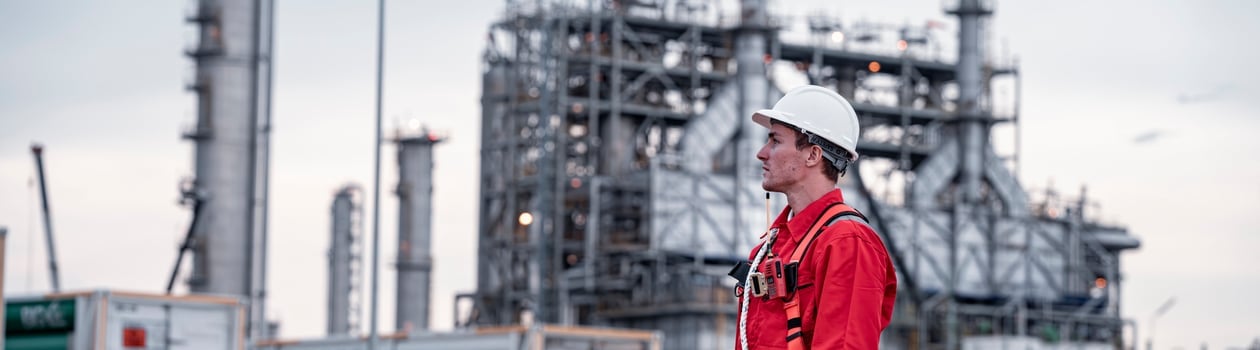
National Texas Stress Day is an occasion to honor the hardworking Texas Stress team. This team, known for its dedication and expertise in various industries, including refineries, power plants, and gas plants, ensures the safety and efficiency of these operations.
The day highlights the crucial role of these professionals in maintaining the integrity of essential infrastructure.
Their work, often underappreciated, involves complex processes like post-weld heat treatment and temperature control, which are vital for the smooth functioning of many facilities.
Additionally, this day serves to bring attention to the often overlooked but critical work these professionals do, offering an opportunity to show appreciation for their dedication and hard work.
National Texas Stress Day Timeline
Early scientific understanding of metal heat treatment
Metallurgist Henry Clifton Sorby’s microscopic studies of steel in the 1850s and 1860s reveal how heating and cooling change internal structures, laying the groundwork for modern controlled heat treatment and stress relief practices.
ASME begins the Boiler and Pressure Vessel Code
After a series of deadly boiler explosions, the American Society of Mechanical Engineers forms a committee in 1911 to draft rules for the design and construction of boilers and pressure vessels, establishing safety expectations that later drive post‑weld heat treatment requirements.
First ASME pressure vessel rules published
Between 1914 and 1925, ASME issues its earliest Boiler and Pressure Vessel Code sections, introducing standardized design stresses, materials, and fabrication rules for high‑pressure equipment used in power plants and refineries.
Post‑weld heat treatment spreads in heavy industry
With growing use of thicker, higher‑strength steels in refineries and power stations, post‑weld heat treatment becomes a common practice to reduce residual stresses, temper hardened weld zones, and prevent brittle failures in pressure vessels and piping.
Refinement of PWHT procedures and controls
Advances in welding metallurgy and temperature‑control technology during the 1970s and 1980s lead to more precise PWHT procedures, including carefully specified soak times, heating rates, and thermocouple placement for critical petrochemical and power‑generation components.
Risk‑based standards for high‑pressure systems
ASME begins drafting high‑pressure system standards in 1981, culminating in a 2003 publication that integrates modern fracture mechanics and risk‑reduction concepts, further tightening expectations for inspection, stress relief, and heat treatment of specialized equipment.
Globalization of pressure‑vessel rules
By the late 20th century, ASME Boiler and Pressure Vessel Code rules for new construction and related post‑weld heat treatment practices are widely adopted or referenced by companies around the world, shaping the work of field heat‑treatment contractors in refineries and power plants.
History of National Texas Stress Day
National Texas Stress Day began in February 2021. Texas Stress Inc. created this day to honor its 30th anniversary during the pandemic.
It wanted a special day to reflect on its journey and recognize the teamwork that helped it overcome tough times. The day emphasizes the importance of unity and support among the Texas Stress team, its clients, and its families.
Texas Stress Inc. has been providing essential services since 1990. They offer professional heating services, including pre-heating, refractory cures, and post-annealing.
Their work ensures the safety and efficiency of various industries such as refineries, chemical plants, and power plants. National Texas Stress Day celebrates the dedication and hard work of these professionals, who often go unrecognized.
How to Celebrate National Texas Stress Day
Dress the Part
Show your support by donning black and gold attire or sporting the Texas Stress logo. A fun and visible way to celebrate, it instantly connects participants and spreads the word about the special day.
This simple gesture brings a sense of unity and pride among the team and their supporters.
Host a Stress-Free Lunch
Organize a casual lunch for colleagues or friends featuring favorite comfort foods. It’s a relaxed setting to appreciate the hard work and dedication of the Texas Stress team.
Sharing a meal fosters camaraderie and provides a much-needed break from daily routines.
Share the Love on Social Media
Encourage everyone to post appreciation messages, photos, or short videos celebrating the Texas Stress team on social media.
Use a dedicated hashtag to create a buzz and highlight the day’s importance. This helps spread awareness and brings a smile to the hardworking team members’ faces.
Take a Tour
Arrange a virtual or in-person tour of a Texas Stress facility. It’s an exciting way to learn more about their vital work and the processes involved.
Understanding their contributions to industry safety and efficiency deepens appreciation for their efforts and expertise.
Surprise Acts of Kindness
Encourage random acts of kindness among coworkers and friends. Simple gestures, like a heartfelt note or a small treat, can make a big impact.
These acts of kindness help build a positive atmosphere and show genuine appreciation for each other’s hard work and support.