National Washington Day celebrates Washington State, named for the first U.S. president, George Washington, and known for living up to its “Evergreen State” nickname. It’s a chance to appreciate a region where rugged coastlines, dense forests, snowcapped peaks, and tech-forward cities all share the same map.
From the bustle of Seattle’s waterfront to the misty beaches and rainforests of the Olympic Peninsula, Washington offers a mix of natural drama and creative energy that feels both grounded and a little larger than life. The state’s identity is shaped as much by its landscapes as by its people, industries, and traditions.
This day also spotlights Washington’s outsized contributions to the nation’s dinner table and digital life. Agriculture remains a powerhouse, especially apples, cherries, hops, wheat, and other crops that thrive in the state’s varied climates.
Meanwhile, major technology and research hubs have helped drive modern innovation, and the state’s music, literature, and visual arts continue to travel well beyond its borders. Celebrating National Washington Day is a simple excuse to look closer at what makes Washington distinctive, influential, and endlessly interesting.
How to Celebrate National Washington Day
Celebrating National Washington Day offers a delightful opportunity to immerse oneself in the rich tapestry of Washington’s culture, history, and natural beauty.
Here are some playful and engaging suggestions to mark the occasion:
Embark on a Virtual Tour of Washington’s Wonders
Washington’s scenery is famously diverse, which makes it perfect for armchair exploration. A virtual tour can wander from temperate rainforests to alpine ridgelines without changing shoes.
Olympic National Park is a standout for this kind of “choose-your-own-adventure” sightseeing because it contains multiple ecosystems within a single protected area, including mossy old-growth forests, mountain ranges, and dramatic Pacific beaches.
City-focused virtual exploration can be just as rewarding. Seattle’s Pike Place Market is practically a cultural shorthand for the state: food stalls, local crafts, waterfront views, and the kind of bustling atmosphere that makes viewers feel like they can almost smell the coffee.
Many museums, aquariums, and public gardens also offer online exhibits or guided walk-throughs. For anyone far from the region, a curated set of videos or interactive maps can be a quick way to understand why Washington is often described as both outdoorsy and urban in the same breath.
To make the virtual tour feel more like an event, it helps to pick a theme. One might focus on “water,” tracing Puget Sound, ferry routes, and island communities.
Another might focus on “mountains,” visiting Mount Rainier’s glaciers, the Cascade Range, and the jagged peaks of the North Cascades. Turning it into a mini itinerary, even from a couch, adds a sense of discovery.
Host a Washington-Themed Culinary Night
A Washington-themed meal can be as simple or elaborate as the cook wants, but the best versions lean into what the state does especially well: fresh produce, seafood, and a strong farm-to-table culture.
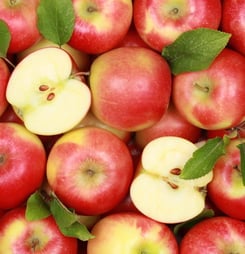
Apples are the obvious star. Washington is known for producing a large share of the country’s apples, and the variety is part of the fun. A tasting board of sliced apples paired with sharp cheddar, nuts, and honey can feel both casual and intentional. Apple crisps, apple pie, and baked apples are classic desserts, but savory options work too, such as apple slaw alongside grilled fish.
Cherries, berries, and pears also fit the theme nicely. A cherry vinaigrette over greens, berry compote for breakfast foods, or a simple fruit galette can highlight the state’s orchard and field harvests.
On the savory side, seafood often takes center stage in the Pacific Northwest, whether that means salmon, shellfish, or a chowder-style soup. Even if the exact ingredients are sourced elsewhere, the menu can still reflect the style: bright flavors, herbs, and a respect for the main ingredient.
Beverages are an easy way to make the night feel “Washington” without a huge grocery list. The state is known for wine production, and a tasting can be built around different styles, from crisp whites to robust reds.
Non-alcoholic options can still nod to the region, such as apple cider (still or sparkling), berry shrubs, or a coffee flight inspired by Washington’s strong café culture. For an extra touch, the host can print a simple menu card describing why each dish made the cut.
Dive into Washington’s Musical Heritage
Washington’s musical legacy spans genres and generations, and it’s surprisingly easy to build a playlist that tells a story. Many listeners associate the state with the grunge explosion that put Seattle on the global music map, but Washington’s sound is broader than one era.
A well-rounded listening session might include grunge essentials, then branch into indie rock, hip-hop, electronic music, punk, and singer-songwriter traditions.
Jimi Hendrix, born in Seattle, is an unavoidable touchstone for anyone exploring the state’s musical heritage. From there, a playlist can move into the bands that shaped the city’s reputation for raw, guitar-driven music, then widen to artists who reflect Washington’s creative range.
The goal is not to build the “definitive” list, but to showcase how the state’s culture has supported experimentation, DIY venues, and a sense of scene that often starts local before turning global.
To make the experience more interactive, it can help to pair music with a small activity. Friends can share the first Washington-related song they ever heard, trade trivia about album covers and recording studios, or pick a track and explain what they think the landscape behind it looks like. Even a simple “listening party” becomes more memorable when it has a little structure.
Engage in a Washington Trivia Challenge
A trivia challenge is a fun way to celebrate the state while discovering new facts. Washington is perfect for this because of its unique geography, well-known landmarks, and rich cultural contributions. A well-rounded trivia set could include:
- Geography: the Cascade Range, Puget Sound, the Columbia River, and what makes the Olympic Peninsula feel so distinct.
- Landmarks and architecture: the Space Needle, ferry systems, market traditions, and major bridges and waterfronts.
- Nature: national parks, famous mountains, and the rare combination of rainforest and alpine environments found close together.
- Economy and innovation: key employers, important inventions, and how the region became a center for aerospace and technology.
- Food and agriculture: apples, hops used in brewing, cherries, wheat, and wine production.
- Arts and pop culture: musicians, films set in Washington, and authors linked to the state.
The best trivia nights feel relaxed and slightly playful. A “two truths and a lie” round about Washington works especially well because real facts about the state can sound unbelievable. Another fun idea is “name that place,” where players guess locations from clues like “a foggy coastline with sea stacks” or “a market where fish are tossed.”
If children are part of the group, trivia can turn into a scavenger hunt with maps, animal matching, or simple puzzles about volcanoes and forests. The goal is simple: bring Washington to life, not just present it as a list of facts.
Support Washington’s Artisans and Authors
Washington’s creative world is diverse, from glass art and design to literature inspired by both urban life and natural landscapes. Supporting local creators can be simple: choose a book by a Washington writer, purchase a small handmade item, or borrow a digital book set in the Pacific Northwest through a library app.
The state is especially known for its distinctive visual art, particularly glasswork that plays with light, water, and color. You could explore a virtual gallery, watch an artist explain their process, or try a beginner-friendly craft at home. A “Washington art night” might include a small creative project inspired by evergreen trees, mountain outlines, or sea life, along with a short reading from a regional author.
For readers, there are many choices: novels set in rainy cities, mysteries shaped by dramatic landscapes, and nonfiction exploring the region’s history and environment. Picking a book that captures a strong sense of place is a subtle but meaningful way to celebrate, especially for those who have never visited.
Supporting creators does not need to cost much. Sharing an artist’s work, writing reviews, or joining an online reading or performance can all make a difference. The idea is to experience Washington as a living, evolving culture, not just a scenic image.
National Washington Day Timeline
Oregon Treaty Establishes U.S. Control of the Pacific Northwest
The Oregon Treaty between the United States and Great Britain set the boundary at the 49th parallel, securing most of present‑day Washington for the United States and paving the way for organized American settlement.
Creation of Washington Territory
Congress passed legislation carving Washington Territory out of the northern part of Oregon Territory, giving the region its own territorial government and formal identity under the name honoring George Washington.
Washington Becomes the 42nd State
After years of territorial status and constitutional debates, President Benjamin Harrison signed the proclamation admitting Washington to the Union, transforming it from territory into the 42nd U.S. state.
Founding of Mount Rainier National Park
Congress established Mount Rainier National Park as the nation’s fifth national park, recognizing the ecological and cultural importance of the glacier‑clad peak that dominates central Washington’s landscape.
Boeing Was Founded in Seattle
William E. Boeing established an airplane company on Seattle’s Duwamish River, launching an aerospace industry that became a cornerstone of Washington’s economy and identity for much of the twentieth century.
Space Needle and World’s Fair Showcase “Century 21”
Seattle hosted the Century 21 Exposition, a world’s fair focused on science and the future, highlighted by the construction of the Space Needle, which became an enduring symbol of Washington and the Pacific Northwest.
Rise of Washington’s Tech and Grunge Culture
Microsoft relocated to the Seattle area in 1979 and later moved to Redmond, helping build a powerful tech sector, while bands like Nirvana and Pearl Jam emerged from Washington’s grunge scene and transformed popular music.
History of National Washington Day
National Washington Day honors Washington State, named after George Washington, the first U.S. president. While the name often confuses with Washington, D.C., this observance focuses on the Pacific Coast state, known for its forests, mountains, waterways, and cities shaped by trade and migration.
Long before it became a state, the region was—and still is—home to many Indigenous nations, each with strong ties to the land and water. Coastal communities developed rich maritime traditions based on fishing, canoe travel, and trade, while groups east of the Cascade Range adapted to different climates and resources.
These cultures are not just part of history; they remain active, with living traditions, languages, and leadership that continue to shape the state.
Washington became a U.S. state in 1889, and its development was influenced by natural resources, transportation routes, and waves of settlement. Early industries included timber and fishing, while ports connected the region to wider trade networks.
Geography played a major role in shaping communities: the Cascade Range divided the state into distinct climate zones, and waterways like Puget Sound and the Columbia River became essential for travel and commerce.
Over time, Washington became known for innovation beyond its natural resources. Aerospace and manufacturing helped build its economy, followed by the rise of technology and software industries that strengthened its global reputation. Agriculture has remained important, with fertile land supporting large-scale fruit production and hops farming that connects the state to global brewing.
Culturally, Washington has made a strong impact. It has produced musicians, artists, filmmakers, and writers whose work reflects the region’s atmosphere, from cloudy skies and ocean air to mountain views and evergreen forests. While Seattle’s influence on music is well known, creativity also thrives in smaller towns, universities, and tribal communities.
National Washington Day is part of a broader idea of celebrating individual states and their contributions. It is not an official holiday but an opportunity to explore the state’s history, culture, and achievements. The spirit of the day is simple: learn more, appreciate its industries and creativity, and recognize the landscapes and communities that define Washington.
Whether someone has lived there, has family ties, or is simply curious, National Washington Day offers a clear invitation: notice the details. Washington’s story can be found in its coastlines, mountain routes, orchards, ports, research centers, and music venues—and in the people who have built their lives in a place that can be both challenging and rewarding.
Washington: A State of Powerful Contrasts and Historic Impact
Washington is a place where nature and history collide in remarkable ways.
From dramatic climate differences shaped by mountains to events that changed science, industry, and law, the state offers a rich mix of stories that go far beyond its scenic beauty.
These facts reveal how geography, innovation, and key historical moments have shaped Washington into a truly unique part of the United States.
Rain Shadows Shape Two Very Different Washingtons
Washington’s dramatic climate contrast between its lush west side and arid east side is largely due to the rain shadow effect of the Cascade Range.
Moist Pacific air drops heavy precipitation on the western slopes, feeding dense temperate rainforests, while the air that descends over central and eastern Washington is much drier, creating a semi-arid landscape that supports wheat fields, rangelands, and irrigated orchards.
Mount St. Helens Redefined Volcano Science in 1980
The 1980 eruption of Mount St. Helens was the deadliest and most economically destructive volcanic event in United States history, killing 57 people and leveling about 230 square miles of forest.
Detailed monitoring before and after the eruption transformed volcanology, leading the U.S. Geological Survey to establish the Cascades Volcano Observatory and develop new hazard-mapping and early warning techniques used around the world.
Washington’s Grand Coulee Dam Helped Power World War II
Completed in 1942 on the Columbia River, Grand Coulee Dam became one of the world’s largest concrete structures and a key source of wartime electricity.
Its hydroelectric output supplied power for Northwest aluminum plants and for the Hanford Site, where plutonium was produced for the Manhattan Project, illustrating how Washington’s rivers became strategic industrial assets.
Native Fishing Rights in Washington Reshaped U.S. Treaty Law
In 1974, the federal court decision in United States v. Washington, often called the Boldt Decision, affirmed that Native American tribes in Washington were entitled to up to half of all harvestable fish under 19th-century treaties.
The ruling, later upheld by the U.S. Supreme Court, transformed fisheries management, recognized tribes as co-managers of salmon, and became a landmark in modern treaty-rights jurisprudence.
Washington’s Apple Orchards Dominate U.S. Production
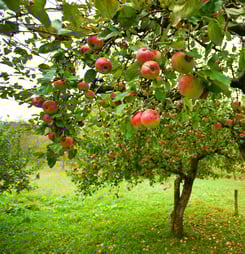
Thanks to its dry climate, irrigated river valleys, and controlled storage technologies, Washington regularly produces about two-thirds of all fresh apples grown in the United States.
Large orchard regions such as the Yakima and Wenatchee valleys specialize in export-quality fruit, making the state a cornerstone of both domestic and international apple markets.
From Boeing to Cloud Computing, Washington Helped Build Modern Aviation and Tech
Washington’s economy shifted from timber to high technology over the 20th century, anchored first by Boeing’s rise in commercial aviation and later by software and internet giants.
Microsoft’s move to the Seattle area in 1979 and Amazon’s founding in Seattle in 1994 turned the region into a global hub for cloud computing, e-commerce, and software development, attracting highly skilled workers from around the world.
Washington’s Wine Country Emerged from a Semi-Arid Plateau
Although known for rain-soaked forests, Washington’s major wine regions lie east of the Cascades, where long summer days and cool nights create ideal grape-growing conditions.
The state is now the second-largest producer of wine in the United States, with the Columbia Valley American Viticultural Area encompassing most of its vineyards and supporting more than 60 grape varieties.