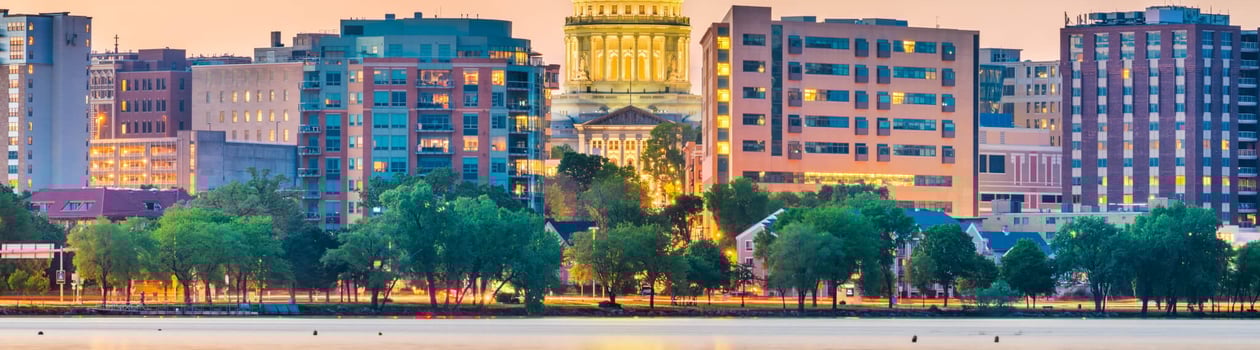
Wisconsin Day celebrates the history of the Badger State, its people, and its traditions. It is like a grand tapestry woven with threads of history, culture, and hearty Midwestern spirit that come together in a vibrant celebration.
Wisconsin Day is a great time to enjoy what the state offers, from dancing to polka music in Milwaukee to exploring the historic Dells area.
It’s a day to celebrate all the fun and unique things you can find in Wisconsin.
How to Celebrate Wisconsin Day
Celebrating Wisconsin Day is all about diving into the state’s cheerful spirit and traditions. Here’s how you can join in the fun:
Taste the Local Flavor
Wisconsin is famous for its cheese, so why not start with a cheese-tasting adventure? Try the classic cheddar, or be bold with a slice of Limburger. Pair it with some locally brewed beer for a true Wisconsin experience.
Explore the Great Outdoors
Wisconsin’s landscapes are breathtaking. Go for a hike in one of its many state parks, like the popular Devil’s Lake, or take a boat tour to see the impressive rock formations at the Wisconsin Dells.
Attend a Festival
There’s always a local festival, whether a music fest in Milwaukee or a county fair in the countryside. These events are filled with music, games, and food – all the essentials for a good time.
Learn Something New
Visit a museum or historic site to learn about Wisconsin’s rich history. There’s plenty to discover, from the story of the first ice cream sundae to the tales of the early fur traders.
Enjoy the Arts
Check out a performance at a local theater or browse an art gallery to see works by Wisconsin artists. The state has a vibrant arts scene that’s worth exploring.
Shop Local
Wisconsin has a thriving craft scene. Visit a farmers’ market or a local craft fair to find handmade goods, from knitted scarves to artisanal jams.
Support the Sports Teams
Wisconsinites are passionate about their sports. You can support some of the local teams and enjoy the atmosphere — and even don a Cheese Head in honor of this event.
Relax and Reflect
Take a moment to sit by one of the state’s many lakes, watch the sunset, and reflect on the beauty and camaraderie that Wisconsin Day represents.
With each activity, you’ll feel more connected to the Badger State and its jubilant celebration of culture, community, and history.
National Wisconsin Day Timeline
Ancient Peoples and Effigy Mound Builders
Successive Paleo-Indian, Archaic, and Woodland cultures inhabit what is now Wisconsin, with Woodland peoples building thousands of earthen effigy mounds in animal and spirit shapes across the landscape.
Jean Nicolet Reaches Wisconsin
French explorer Jean Nicolet arrived near present-day Green Bay while seeking a Northwest Passage, becoming the first documented European to set foot in the Wisconsin region and opening it to the French fur trade.
Creation of Wisconsin Territory
The U.S. Congress organizes the Wisconsin Territory, separating it from the Michigan Territory, with Belmont briefly as the capital, a key step toward eventual statehood and organized American settlement.
Wisconsin Becomes the 30th State
President James K. Polk signs the statehood bill admitting Wisconsin as the 30th state in the Union, following approval of a second state constitution and years of territorial growth and political debate.
Rise of Wisconsin’s Dairy Identity
As wheat farming declines, Wisconsin farmers increasingly turn to dairy, creating creameries and cheese factories that transform the state into a leading dairy producer and the future “America’s Dairyland.”
History of Wisconsin Day
Wisconsin was the 30th country to be accepted into the US Union, but long before it was a state, Wisconsin was home to Native American tribes. They were the first to enjoy Wisconsin’s forests and rivers, and their rich traditions are still an important part of the state today.
The next chapter began when European explorers arrived, looking for fur to trade. The French explorer Jean Nicolet was the first European to set foot on this state in his mission to find the Northwest passage to China.
They were the first of many newcomers to love this land. These explorers helped put Wisconsin on the map, and on May 29, 1848, it became the 30th state.
As time passed, people from Germany, Scandinavia, and Poland came to Wisconsin, bringing their own special ways of cooking, celebrating, and living. This mix of different backgrounds turned Wisconsin into the friendly and diverse place we know.
Naitonal Wisconsin Day was started more recently, in 2017, to recognize the fascinating history and heritage of this state, as well as honoring its current contributions to the nation and the world!
Facts About National Wisconsin Day
National Wisconsin Day celebrates the rich natural resources, agricultural heritage, and cultural history of the Badger State. From its thousands of lakes to its global influence on dairy, brewing, and conservation, Wisconsin has played a distinctive role in shaping regional and national identity. The facts below highlight what makes this state unique, influential, and deeply connected to both land and tradition.
Wisconsin Holds Nearly 15,000 Inland Lakes
Wisconsin’s landscape is exceptionally water-rich, with the Wisconsin Department of Natural Resources estimating approximately 15,000 inland lakes across the state, in addition to its Great Lakes shorelines.
These lakes range from small kettle ponds formed by glaciers to large recreational lakes that shape local economies and ecosystems.
America’s Dairyland Produces About a Quarter of U.S. Cheese
Wisconsin’s long‑standing dairy industry makes it the top cheese‑producing state in the United States, accounting for roughly 25% of all U.S. cheese output and consistently leading national production rankings, thanks to more than a century of specialized creameries and cheesemaker training programs.
Cranberries Are Wisconsin’s Largest Fruit Crop
Wisconsin is the leading cranberry producer in the United States, regularly supplying more than half of the nation’s cranberry crop; its sandy, marshy regions and cool climate create ideal growing conditions, and cranberries are the state’s top fruit in both acreage and economic value.
Milwaukee Once Brewed More Beer Than Any Other U.S. City
From the late 19th century into the mid‑20th century, Milwaukee became a national brewing powerhouse, home to giants like Pabst, Schlitz, Miller, and Blatz, and at one point produced more beer than any other American city, earning the nickname “Beer Capital of the World.”
Wisconsin Is a Stronghold of Public Land Conservation
Wisconsin played an early role in the American conservation movement, with figures like Aldo Leopold—often called the father of wildlife ecology—developing land ethic ideas at his Sauk County farm that later influenced national policies on wilderness preservation and sustainable resource management.
Effigy Mounds Reveal a Complex Ancient Culture
Southern Wisconsin contains some of the highest concentrations of effigy mounds in North America—earthen mounds built between about 700 and 1100 CE in the shapes of animals and spirits—indicating sophisticated ceremonial and social systems among Indigenous mound‑building cultures long before European contact.
Twelve Federally Recognized Native Nations Call Wisconsin Home
Modern Wisconsin includes the reservations and communities of 12 federally recognized Native Nations, including the Ho‑Chunk Nation, Menominee Indian Tribe of Wisconsin, and multiple Ojibwe bands, reflecting a deep Indigenous presence that predates statehood by thousands of years and continues to shape its culture and governance.