
Neurofibromatosis is a hereditary condition that can appear at any point in a sufferer’s life, provided they have the ‘misprint’ in their chromosomes that causes it.
Because it is genetic, little can be done to prevent it in those affected.
A generic mutation, neurofibromatosis can manifest itself in lots of bumps and tumors across the body. The tumors are usually non-cancerous, but they can appear in huge amounts and in some cases are quite disfiguring.
World Neurofibromatosis Awareness Day is about raising awareness about the condition, helping those who have it to better understand it and to help remove the stigma that some have suffered due to its disfiguring aspects.
World Neurofibromatosis Awareness Day Timeline
von Recklinghausen Describes “Multiple Neurofibromatosis”
German pathologist Friedrich Daniel von Recklinghausen publishes a landmark monograph describing patients with numerous nerve sheath tumors and skin spots, establishing the condition later known as neurofibromatosis type 1.
Early Recognition of Autosomal Dominant Inheritance
Genetic studies in affected families demonstrate that neurofibromatosis is inherited in an autosomal dominant pattern, helping to explain its recurrence across generations and informing genetic counseling.
NIH Consensus Conference Defines NF1 Diagnostic Criteria
A National Institutes of Health consensus development conference publishes standardized clinical criteria for diagnosing NF1, including café-au-lait macules, neurofibromas, and Lisch nodules, which become the global diagnostic standard.
NF1 Gene Identified on Chromosome 17
Researchers independently clone and characterize the NF1 gene on chromosome 17q11.2, showing that it encodes neurofibromin, a tumor suppressor protein that regulates RAS signaling and is disrupted in most NF1 cases.
NF2 Gene Discovery Clarifies a Distinct Disorder
The NF2 gene is mapped and cloned on chromosome 22q12, revealing mutations that cause bilateral vestibular schwannomas and distinguishing neurofibromatosis type 2 from NF1 at the molecular level.
SMARCB1 Mutations Linked to Schwannomatosis
Investigators identify germline mutations in SMARCB1 in some families with schwannomatosis, establishing a third major form of neurofibromatosis-related disease characterized chiefly by multiple schwannomas and chronic pain.
First Targeted Drug Approved for NF1 Tumors
The U.S. Food and Drug Administration approves selumetinib, a MEK inhibitor, for children with symptomatic, inoperable plexiform neurofibromas in NF1, marking the first targeted medical therapy specifically for neurofibromatosis.
How to Observe Neurofibromatosis Awareness Day
Improve Knowledge About NF
Like many genetic diseases, there is no cure for neurofibromatosis, but awareness days such as this were created to ensure that research into it can continue to make a difference.
One of the biggest steps in beating an illness is to learn about it – and even if you do not suffer from neurofibromatosis yourself, supporting those who do is what this day is about!
Shine a Light on NF
In some places, landmarks and buildings are encouraged by city officials to light up their locations in blue in celebration of World Neurofibromatosis Awareness Day.
The London Eye ferris wheel is just one of the many famous places that has been lit up blue in honor of this important event.
History of World Neurofibromatosis Awareness Day
The condition has been around for centuries, with a number of records describing patients with persistent ‘warts’ and what would become known as ‘cafe au lait’ spots.
There are two types of neurofibromatosis:
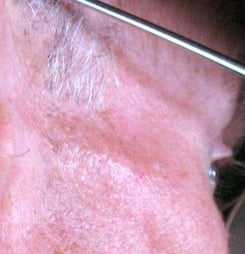
NF1 can be spotted early on with the appearance of flat brown birthmarks, or freckles in places not normally expected. This type of neurofibromatosis also manifests itself with lumps and bumps on the skin, called neurofibromas. Because it can cause learning difficulties, it is important that it is picked up early on in a child’s life.
The second type, NF2, tends to start showing itself in teen years or later. It appears as nervous system tumors, which tend to form on the brain and on the spine.
Although the tumors found in NF2 are usually not cancerous, they can cause some health problems such as deafness or hearing loss and some problems with mobility.
Unlike NF1, if you have NF2 you are much more likely to need operations or treatments for the brain or spinal tumors at some point in your life. For some, it is possible to have the small tumors surgically removed, and this is often an option for sufferers who find that the tumors are causing issues in mobility.
For a large number of people with neurofibromatosis, the symptoms are more than mild enough to get on with a normal productive life. In some extreme cases, however, tumors can cause cosmetic issues and as a result, psychological trauma.
World Neurofibromatosis Awareness Day is here to improve public knowledge and understanding about this disease. Since its founding in the early 2020s, this event has been officially declared by a number of entities, including governors of Alabama and North Carolina.
Facts About World Neurofibromatosis Awareness Day
Genetic “misprint” behind NF1
Neurofibromatosis type 1 is caused by pathogenic variants in the NF1 gene on chromosome 17, which encodes neurofibromin, a protein that normally helps regulate cell growth through the RAS/MAPK signaling pathway; loss of neurofibromin allows cells to grow and divide more than they should, which contributes to the development of neurofibromas and other NF1 features.
Not always inherited from a parent
Although neurofibromatosis is classed as a genetic disorder, about half of all people with NF1 are the first in their family to have it, due to a new (de novo) mutation that arose in the egg or sperm or very early after conception; this high rate of new mutations helps explain why NF1 remains relatively common despite reduced reproductive fitness in some severely affected individuals.
NF2 often starts with hearing loss
Neurofibromatosis type 2 is most strongly associated with tumors called vestibular schwannomas on the nerves responsible for hearing and balance; these typically appear in adolescence or early adulthood and can cause gradual hearing loss, tinnitus, and balance problems, which are often the first clues to the underlying condition.
Schwannomatosis is now grouped with NF
For many years, schwannomatosis was considered a separate condition, but research has shown that it overlaps biologically with NF2 and is now classified as part of the “NF2-related schwannomatosis” and “SMARCB1/LZTR1-related schwannomatosis” spectrum, reflecting shared pathways that lead to multiple nerve-sheath tumors throughout the body.
NF is more common than many people realize
Neurofibromatosis type 1 occurs in about 1 in 3,000 births worldwide, which makes it one of the most common single-gene disorders in humans, more frequent than better-known conditions such as cystic fibrosis or muscular dystrophy; NF2 is rarer, affecting roughly 1 in 25,000 to 1 in 40,000 people.
Targeted drugs are changing NF care
In 2020 the U.S. Food and Drug Administration approved the first drug specifically for NF1-related plexiform neurofibromas, the MEK inhibitor selumetinib, after studies showed it could shrink inoperable tumors in many children and improve pain and function, representing a major shift from surgery-only management toward targeted molecular therapies.
Learning and attention issues are part of NF1
Beyond visible tumors and birthmarks, up to half of children with NF1 experience learning disabilities, attention-deficit/hyperactivity disorder, or other neurocognitive challenges, which are believed to result from how NF1 mutations affect brain development and neural signaling rather than from the physical presence of tumors.
World Neurofibromatosis Awareness Day FAQs