

Since the turn of the millennium, one night in the dull, dark month of February has been immeasurably brightened for wine-lovers by the creation of a special day to celebrate cherished bottles of wine, champagne or spirits.
Open That Bottle Night is dedicated to making sure that those bottles of fine wine that have been put away for a ‘special occasion’, are finally opened up, used, and enjoyed.
This day can now serve as that special occasion everyone has been waiting for!
Open That Bottle Night Timeline
Early Wine Bottle and Cork Adoption
Glass bottles paired with natural cork stoppers become standard for transporting and storing wine, laying the groundwork for long‑term cellaring and “saving” special bottles.
First Patented Corkscrew
English inventor Reverend Samuel Henshall receives the first known patent for a corkscrew in London, making it easier and safer for ordinary drinkers to open bottled wine at home.
Bordeaux Classification and Prestige Bottles
For the Paris Exposition, Bordeaux’s left‑bank châteaux are ranked into growths, helping establish certain wines as prestigious collectibles that consumers begin to age and save for special occasions.
Rise of Champagne in Ritual Celebration
Champagne becomes firmly linked with celebration in Europe and America, as sabering and popping corks mark weddings, military victories, and New Year festivities, turning specific bottles into symbols of big life moments.
Modern Home Wine Cellars Emerge
With rising postwar affluence, serious wine drinkers in Europe and North America begin installing home cellars and dedicated storage, encouraging the habit of keeping “special” bottles for years.
Judgment of Paris Spurs Collecting Culture
A blind tasting in Paris crowns Californian wines over top French labels, fueling global interest in fine wine, investment buying, and long‑term cellaring of bottles that people often hesitate to open.
Growth of Wine Journalism and Consumer Guides
Influential critics, newspaper columns, and rating systems popularize the idea of “perfect drinking windows,” encouraging many enthusiasts to stash high‑scoring wines and wait for an ideal moment to open them.
How to Celebrate Open That Bottle Night
What a great day to enjoy and celebrate special events–or absolutely nothing! Get ready to dig deep into the enjoyment of life on Open That Bottle Night with these ideas:
Dig a Bottle Out of the Cellar
Those who have been saving a delicious bottle for a special occasion will be relieved to know that this can be the day that they have been waiting for!
Celebrate just being alive. Get out that corkscrew, grab some glasses and dust off that bottle because it’s time to open it up!
If the bottle has some special significance, don’t forget to tell the stories about it. Was it purchased in a special place? With a special person? For an important event? Was it gifted by someone significant? Letting the bottle tell its story as it is enjoyed makes the moment that much more powerful.
Enjoy a Newer Vintage Bottle
Don’t have any special bottles saved? That’s okay! This day doesn’t discriminate in its desire for everyone to enjoy it!
If there’s no special vintage in the cellar, don’t be afraid to go out to the wine shop and ask them to help with some recommendations for something to break open on this special day of celebrating life itself.
Read the Book Love By The Glass
Ready to channel the vibes of the day? Well, one great way to do so would be to read the book written by the authors of the occasion. Love By The Glass is a memoir and love story written by Dorothy Gaiter and John Brecher who just happened to also be the creators of Open That Bottle Night.
The book offers a special insight into the journalism careers of the authors, the challenges they faced to get there, how Martha Stewart played a role in their work, how they became well-known in the world of wine and how wine ultimately changed both of their lives.
It’s delightful to peek into the world of these great appreciators of wine, especially including Dorothy’s experience as a woman of color.
Get Creative with Wine Choices
This is the perfect time to try out something that has been on your mind but you’ve never dared. Those who are hoping to become wine experts (or who just want to enjoy this evening!) might want to get started with some of these ideas:
- Bordeaux. The world’s most famous wine region produces this red wine that is usually a French blend, typically with an anchor of Merlot or Cabernet. These can run a bit on the pricey end, but that’s what makes them special enough for Open That Bottle Night!
- Chianti. Head south from France and move into the direction of Italy. This dry red wine has a tendency to taste better with food, so be sure to serve some appetizers or a full meal with it.
- Rioja. Sticking to Europe but moving over to Spain, this wine has a similar flavor to a Cabernet Sauvignon, with a bit of a fruitier flavor to bring a sense of brightness.
- California Mourvèdre. Certainly the American winemakers shouldn’t be overlooked. This one is a dry, dark red wine with a full body that offers flavors of flowers as well as herby spices such as black pepper and thyme aromas.
Host an Open That Bottle Night Dinner
Make this night even more special by inviting some close friends around for an intimate dinner party. The guest list should certainly include like-minded friends of family members who enjoy a good bottle of wine and also appreciate the story behind it.
Whether cooking a complex meal or simply putting out a charcuterie board filled with meats, cheese and crackers, it doesn’t really matter what the food is except that it’s worth trying to serve something that pairs well with the wine on offer.
Create an Open The Bottle Night Playlist
An important factor when having friends over to open a bottle of wine is to have good music playing in the background! Get creative by making up a playlist of fun songs inspired by wine. Try out some of these for starters, and then add some of your own favorites:
- Dust on the Bottle (1994) by David Lee Murphy. A perfect song for Open The Bottle Night–this one tells the story of how a bottle of wine that has been saved for awhile might have a bit of dust on it, but what’s inside is much sweeter for waiting.
- Good Friend and a Glass of Wine (2007) by LeAnn Rimes. This country song has lyrics that encourage the idea of friendship that is shared over a glass of wine.
- I Will Drink the Wine (1971) by Frank Sinatra. Enjoy this song about drinking the wine from old Blue Eyes himself.
- Red Red Wine (1983) by UB40. Of course, this hit from the 1980s will speak to any Gen-X-ers out there who are enjoying Open the Bottle Night.
Enjoy Open That Bottle Night with These Wine Tips
Tips to help you make the most of your designated bottle include:
- Serve the wine – both red and white – at cellar temperature, around 55 degrees.
- Have a spare bottle – keeping a backup bottle is a good idea in case the chosen wine has been stored for a little bit too long.
- Use a cork bottle-opener with two prongs, and don’t forget to practice first!
History of Open That Bottle Night
Reveling in the idea that great wine is just meant to be shared, Open That Bottle Night is all about creating memories and telling stories of those special shared moments.
This is the perfect time to remove that cork and get down to the business of enjoying life.
Created in the year 2000 by two Wall Street Journal columnists Dorothy J. Gaiter and John Brecher, ‘Open That Bottle Night’ (OTBN) is an annual occasion that aims to motivate people to reconnect with each other over a special bottle, and create good memories with friends and family–without any other special reason needed to celebrate.
Held on the last Saturday in February of each year, this day encourages the sharing of memories, both fond and difficult, that can best be remembered when shared over a bottle of wine. The idea is to not only open up a bottle but also to open up the heart.
Facts About Open That Bottle Nights
Bottled Wine Rarely Improves After a Few Years
Contrary to popular belief, only a small fraction of wines are made to age for decades. The Wine & Spirit Education Trust notes that the vast majority of wines are intended to be consumed within a few years of bottling, and will simply lose fruit, freshness, and balance rather than “magically” improving if left too long.
Most Fine Wine Spoilage Is Slow Oxidation, Not “Turning to Vinegar” Overnight
When a bottle is kept too long or poorly stored, the main culprit is gradual oxidation through the cork, which dulls aromas, browns the color, and leaves the wine tasting flat.
Enology research shows that wine rarely becomes true vinegar in the cellar; instead, oxygen slowly breaks down flavor compounds, especially when bottles are held far beyond their optimal drinking window.
Ideal Cellar Temperature Has Barely Changed Since the 19th Century
Modern wine science has essentially validated what old European cellars provided by accident: temperatures around 55 °F (13 °C), with minimal fluctuation, are best for most age‑worthy bottles.
Studies on storage show that even brief exposure to higher temperatures can accelerate aging reactions and shorten a wine’s drinkable life, which is why serious collectors invest in temperature‑controlled cellars or cabinets.
Aging Potential Depends More on Structure Than Price
Whether a bottle can gracefully age is largely determined by its acidity, tannin, sugar, and alcohol, not by how expensive it is.
Research and tasting panels from the American Society for Enology and Viticulture emphasize that high natural acidity and firm tannins help red wines like Bordeaux or Barolo evolve for years, while most soft, fruity wines, no matter what they cost, are at their best when drunk young.
People Routinely Overestimate How Long to Save a “Special” Bottle
Surveys of consumer behavior show that many wine drinkers keep bottles far longer than recommended because they are waiting for “the right moment,” then feel regret when the wine is disappointing.
Behavioral economists link this to the “sunk cost” effect and fear of waste: people delay opening a cherished bottle to avoid the risk of not enjoying something they have mentally elevated, even though this delay often reduces the wine’s quality.
Shared Drinking Has Long Been Used to Mark Life’s Milestones
Anthropologists have documented that in many cultures, wine or other alcohol is reserved for events such as births, weddings, peace agreements, and funerals, where it helps mark transitions and trigger storytelling.
Ethnographic work synthesized by Cambridge University Press notes that these shared drinks function less as simple refreshments and more as social tools for recalling the past, reaffirming bonds, and making sense of major life changes.
Home Wine Fridges Emerged as a Response to Urban Living
Dedicated wine cabinets and small wine refrigerators only became common household appliances in the late 20th century, as more enthusiasts began collecting wine but lacked traditional underground cellars.
Market analyses of the wine‑storage sector point out that compact, thermostatically controlled units were designed specifically to recreate “cellar conditions” in apartments and suburban homes, so that sentimental or valuable bottles would not be ruined by warm closets and kitchen heat.
Open That Bottle Night FAQs
You may also like
National Wine Day
If only every day was Wine Day. Gather some friends together and splurge on some fancier wines, or visit a vineyard to try out your local selections.
- International
- United States
National Rosé Day
Raise a glass to National Rosé Day, celebrating pink wine’s history, unique production, tastings, and pairings with friends, food, and fun rosé traditions.
- France
- United States
National Drink Wine Day
Raise your glass to a delicious beverage that pairs well with a romantic dinner or a fun night out with friends!
- France
- International
- Italy
- and 2 more
World Lambrusco Day
Celebrate World Lambrusco Day by exploring Italy’s iconic sparkling red wine, its bold flavors, food pairings, tastings, and traditions from Emilia-Romagna.
- United States
National days and holidays on February 27 2027
National Strawberry Day
This juicy red fruit pairs well with chocolate, whipped cream, and champagne. Perfect for summer picnics and romantic evenings.
- Australia
- Canada
- United Kingdom
- and 1 more
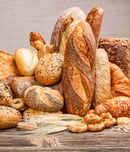
Real Bread Week
Real bread is a joy to behold! Made with natural ingredients and baked to perfection, each bite is a heavenly experience.
- United Kingdom

Ramadan
During this holy month, Muslims fast from sunrise to sunset, focusing on spiritual reflection and community. Ramadan is a time for self-improvement and bringing people together in celebration of faith.

Adelaide Fringe
Adelaide Fringe is a dynamic arts festival that brings on of Australia's most amazing cities to life with creativity and excitement. It's a time when artists, performers, and audiences come together to experience something extraordinary! Streets buzz with energy, venues fill with eager crowds, and the atmosphere becomes electric with...
- Australia
Seize Every Day
Join free for personalised recommendations, email reminders and exclusive guides. Never miss a day.