
National Orange Blossom Day is a celebration that practically floats in on perfume-sweet air. It invites everyone to pause and appreciate one small white flower that does a lot of heavy lifting, scenting groves, inspiring traditions, and flavoring everything from delicate desserts to fancy drinks.
The orange blossom, famous for its delightful fragrance, is deeply rooted in tradition and culture. It symbolizes good luck, purity, and happiness. In many places and in many eras, it has also hinted at love and marriage, partly because the orange tree can carry glossy leaves, fragrant blossoms, and fruit at the same time. That mix of beauty and abundance makes the bloom feel both elegant and optimistic, like nature is quietly saying, “Plenty more good things are on the way.”
The orange blossom is also a working flower, not just a pretty one. Orange trees (most commonly sweet orange, Citrus × sinensis) are evergreen, and their blossoms tend to appear in flushes, often in spring depending on climate and variety. Each blossom is a promise that fruit may follow, even though trees naturally shed many tiny fruits after bloom. Bees visit citrus flowers in droves, drawn to nectar, and the result can be orange blossom honey, a light, floral honey that tastes like sunlight decided to become spreadable.
The history of the orange blossom is as rich and fragrant as the flower itself. It has traveled from Asian citrus-growing regions into the Mediterranean world, and later into the Americas through Spanish cultivation. Over time it became strongly associated with places known for citrus production, especially where groves shape the landscape and local identity. In the United States, orange blossom is famously connected with Florida, where it is recognized as the state flower and closely tied to the citrus industry’s cultural footprint.
The tradition of incorporating orange blossoms into wedding ceremonies dates back to the 19th century. Queen Victoria helped popularize it by choosing orange blossoms for her wedding adornment, a style choice that rippled outward into fashion and etiquette. Orange blossoms appeared in bridal wreaths and bouquets, and even as carefully crafted wax blossoms when fresh blooms were out of season or hard to source. Today, people continue to cherish these blooms for their beauty, their symbolism, and their unmistakable scent, the kind that can turn a simple moment into an occasion.
How to Celebrate National Orange Blossom Day
Celebrating National Orange Blossom Day is about indulging in this flower’s sensory delights. People across the United States celebrate this day by enjoying orange blossom-flavored treats, visiting citrus gardens or farms, crafting with blossom-inspired designs, and hosting tea parties or picnics themed around the fragrant flower. Even without access to a grove in bloom, it is surprisingly easy to bring orange blossom energy into everyday life through fragrance, flavor, and a few thoughtfully chosen details.
Orange blossoms are praised for their potential benefits in aromatherapy and skincare, mostly because of their relaxing scent and their long-standing use in beauty rituals. Orange blossom water and neroli-related products often show up as fragrant ingredients in mists, lotions, soaps, and bath products. While many claims about dramatic “miracle” results are bigger than the evidence, the sensory benefit is real: a gentle floral-citrus scent can make a routine shower feel like a mini reset. As with any scented product, patch testing and moderation are wise, especially for sensitive skin.
Culinary Adventures
National Orange Blossom Day is a perfect time to get creative in the kitchen with orange blossom flavors, especially orange blossom water, a traditional distillation product used in many dessert-making cultures. The key to success is treating it like a powerful flavoring rather than a juice. A little goes a long way, and “a little” can mean a few drops or a small splash, not a full pour. Too much can make a dish taste soapy or overly perfumed, which is the culinary equivalent of wearing too much cologne in an elevator.
Orange blossom water shines in sweets that already welcome floral notes. It can lift sugar cookies, shortbread, and simple cakes. It can soften the edge of citrusy frostings, especially paired with lemon or orange zest. It also plays well with almonds, pistachios, honey, vanilla, and cream, which is why it turns up in so many pastries and custards across different cuisines.
For a simple at-home experiment, it can be added to:
- Whipped cream or yogurt with honey and chopped fruit
- Syrups for iced tea or sparkling water
- Rice pudding or panna cotta-style desserts
- Glazes for loaf cakes or doughnuts
Orange blossom honey can also be part of the celebration. Drizzled over toast, stirred into tea, or paired with cheese, it highlights how blossoms influence flavor in a way that feels both rustic and refined. Anyone curious about the “grove” experience without a single petal in sight can explore these edible versions of orange blossoms and still get the point: this flower tastes like fragrance learned to behave in a kitchen.
Aromatic Ambiance
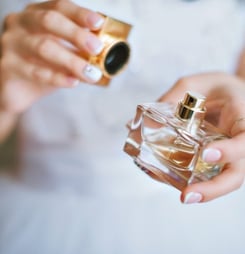
Imagine transforming a living space into something that feels like a citrus grove in bloom. Orange blossom fragrance is often described as sweet, floral, fresh, and slightly green. In perfumery, the most famous orange blossom scents frequently come from the bitter orange tree’s flowers, used to make materials such as neroli oil (steam-distilled) and orange blossom absolute (solvent-extracted). Even if the chemistry stays behind the scenes, the practical takeaway is simple: orange blossom fragrance is a classic because it works.
To create an orange blossom atmosphere:
- Use a diffuser with a blend that features neroli or “orange flower.”
- Light a candle that leans floral-citrus rather than sugary orange.
- Mist linens lightly with an orange blossom water spray, especially on curtains or bedding (after testing for spotting).
- Set out a bowl of citrus peels with a drop of orange blossom or neroli-scented oil nearby for a gentle “scent station.”
Aromatic celebrations can be kept subtle. Orange blossom is naturally expressive, so the best ambiance tends to be soft and clean, not overpowering. The goal is a background note that makes a room feel brighter, not a fog that announces itself before anyone enters.
Creative Expressions
Orange blossom motifs have been showing up in art and design for generations, from wedding headpieces to decorative ceramics. National Orange Blossom Day can be a reason to play with that imagery, even if real blossoms are not available.
Craft ideas can be as simple or as ambitious as desired:
- Paper blossoms for a table centerpiece or gift topper
- A stamped or painted orange blossom pattern on napkins or cards
- Pressed botanical-style artwork using citrus leaves (real leaves press well; blossoms are more delicate)
- A wreath-inspired arrangement using white flowers and glossy green leaves to echo the orange tree look
Hosting a “Blossom Bash” tea party works nicely because orange blossom fits the vibe of dainty cups and small bites. A menu could include shortbread, fruit, honey, and a signature drink like a lightly sweetened iced tea or sparkling water flavored with citrus and a restrained touch of orange blossom water. For decor, white blooms, green leaves, and a bowl of oranges is enough to make the theme instantly recognizable.
Creative expression can also be sensory journaling or photography. Orange blossoms are a reminder that scent is a form of memory. Capturing a “smell story” in words or images, what the fragrance brings to mind, what it changes in a room, can be a surprisingly satisfying way to celebrate.
DIY Spa and Serenades
National Orange Blossom Day also offers a chance to slow down with a DIY spa moment featuring the soothing scent of orange blossoms. Orange blossom water is commonly used as a fragrant facial mist or body splash, and neroli-scented products are often chosen for winding down. The emphasis here is comfort and ritual rather than bold claims.
A simple orange blossom spa routine might include:
- A warm bath with unscented bath salts and a small amount of orange blossom-scented product
- A foot soak with warm water and a few drops of a properly diluted essential oil blend (following safety guidelines)
- A quick steam facial by hovering over a bowl of warm water with a tiny splash of orange blossom water nearby (not too close, and not too hot)
Because citrus-related essential oils and fragrance compounds can irritate some people, the safest approach is gentle: diluted products, short sessions, and attention to personal sensitivities.
The “serenades” part can be literal or playful. A sunny playlist with light instrumentals, bossa nova, mellow pop, or old-school romantic tunes can match the orange blossom mood. Another option is to take a virtual tour of an orange grove or explore videos that show citrus flowering and harvesting practices. It adds context: orange blossoms are not only pretty, they are part of a living agricultural cycle that supports growers, workers, and an entire ecosystem of pollinators.
National Orange Blossom Day Timeline
Earliest Known Citrus in the Mediterranean
Archaeobotanical evidence from royal gardens at Ramat Rahel near Jerusalem reveals citron trees, marking some of the first confirmed citrus blossoms growing in the Mediterranean region.
Orange Flower Water Industry in Southern France
Historical records from Provence show bitter orange trees being cultivated specifically so their blossoms could be distilled into orange flower water, a prized ingredient for scent and medicine.
Orange Blossom as a Symbol of Love in France
Sources on fragrance history describe how, in early 1400s France, orange flowers came to symbolize love, longevity, and prosperity, laying the groundwork for their later association with marriage.
Orange Blossoms Become a Bridal Fashion Staple
By the 1800s, European and American brides commonly wore wreaths and sprays of orange blossoms, cementing the flower’s reputation as an emblem of purity and fruitful marriage.
Orange Blossom Wedding Bands Gain Popularity
American jeweler J.R. Wood & Sons introduces engraved Orange Blossom wedding bands, using the flower motif to represent purity, fidelity, and enduring love in bridal jewelry.
History of National Orange Blossom Day
The history of National Orange Blossom Day is as fragrant and vibrant as the flower itself. The observance centers on the white blossoms of citrus trees and the way their scent and symbolism have traveled across continents and centuries. While the day itself is a modern calendar observance without a single widely documented founding moment, the cultural story behind orange blossoms is well established.
Orange blossoms have long been valued for their aroma. Citrus cultivation developed in parts of Asia, and different citrus species and hybrids spread through trade and conquest into the Mediterranean world. As orange trees became familiar in gardens and groves, their blossoms became more than a sign of fruit to come. The flowers were collected, distilled, and admired, turning a seasonal natural event into something that could be carried in a vial, folded into a recipe, or remembered in a garment.
One reason orange blossoms became culturally “sticky” is that they sit at an intersection of beauty and usefulness:
- They signal a valuable crop.
- They feed pollinators and support honey production.
- They provide raw material for fragrance traditions.
- They offer a flavoring that is distinctive but versatile.
In fragrance, orange blossom is often discussed alongside neroli, an essential oil distilled from the flowers of the bitter orange tree. Orange blossom absolute is another perfumery material, extracted differently and often perceived as richer and more intensely floral. Orange blossom water, sometimes called orange flower water, is an aromatic distillation used in culinary traditions and personal care. These related products helped orange blossom move beyond the orchard and into daily life, even for people who never stand near a tree in bloom.
The orange blossom also holds significant cultural value as a symbol of love, marriage, purity, and happiness. That symbolism became particularly visible in European wedding fashion, where orange blossoms were featured in bridal wreaths, hair ornaments, and bouquets. The association gained momentum in the 19th century, with Queen Victoria’s wedding often credited for elevating orange blossoms into an aspirational bridal detail. From there, the motif spread widely, and orange blossom pieces were sometimes preserved as keepsakes, dried, pressed, or recreated in wax to last beyond the day of the ceremony.
As oranges and other citrus trees were carried to new regions, orange blossoms gained new layers of meaning. In the Americas, Spanish cultivation introduced citrus, and groves eventually became major agricultural and cultural landmarks in places suited to citrus growing. In the United States, Florida’s embrace of the orange blossom as its state flower reflects how deeply the citrus tree is woven into the state’s identity and economy. The bloom is both botanical and symbolic: a small white flower representing a massive, complex industry, and also a simple sensory pleasure that people recognize instantly.
Despite its rich historical journey and widespread use, National Orange Blossom Day itself does not have a single definitive, universally documented starting point in public records. What gives the observance its staying power is not a founding story, but the flower’s real-world presence: it is fragrant, useful, and loaded with meaning. From wedding traditions to honey harvests, from perfumery to baking, the orange blossom has earned its own day simply by being unforgettable.
Facts About National Orange Blossom Day
Fragrant Chemistry Behind Orange Blossom Aroma
The characteristic scent of orange blossoms and neroli comes from a complex mix of volatile compounds, with monoterpenes such as linalool identified as major constituents in Citrus aurantium flower essential oil.
These compounds, together with flavonoids and other polyphenols present in the petals, give orange blossoms both their sweet floral fragrance and measurable antioxidant activity in lab studies.
From Bitter Orange Flowers to Neroli and Orange Blossom Water
Orange blossom water and neroli essential oil are both obtained from the flowers of the bitter orange tree (Citrus × aurantium), but they are distinct products: neroli is the steam‑distilled essential oil, while orange blossom water is the aromatic distillate water that remains.
Historical and technical references note that orange blossom water is essentially a by‑product of neroli distillation, which is why it is widely available as a culinary and cosmetic ingredient around the Mediterranean and Middle East.
A Medieval Luxury: Scenting Linens With Orange Flower Water
By the 14th century in Sicily, orange flower water was already prized enough to be used not in cooking but to scent household linens.
A curator at the Metropolitan Museum of Art’s Cloisters notes that this non‑culinary use predates its widespread adoption in European kitchens and shows how orange blossom fragrance first entered homes as a kind of domestic luxury perfume.
Centuries of Flavor in Middle Eastern and North African Kitchens
Orange blossom water, known in Arabic as mazaher, has been cherished in Middle Eastern kitchens since at least the 17th century and is now a classic flavoring throughout the Middle East and North Africa.
It perfumes syrups for Arab variants of baklava, milk puddings, and refreshing drinks, and is added in drops or teaspoons because its floral, honeyed aroma can easily dominate a dish if overused.
A Floral Welcome: Hospitality Rituals With Scented Waters
In parts of the Middle East, welcoming or farewelling guests with a sprinkling of scented water made from orange blossom or rose water has been a traditional gesture of hospitality.
Writers on fragrance and food describe how just a few drops of orange blossom water mixed into plain water can be used to lightly perfume guests’ hands or drinks, turning an everyday act into a small ceremonial moment.
Orange Blossoms as Iconic Bridal Trim in the 19th Century
Museum research on 19th‑century fashion documents how orange blossoms became a standard bridal motif, especially after Queen Victoria wore them in 1840.
The ASU FIDM Museum notes that artificial and fresh orange blossoms were used to trim veils, wreaths, and gowns because they symbolized virtue, love, and fertility, and the association became so strong that “orange blossom brides” was a recognizable term in Victorian and early 20th‑century culture.
Florida’s State Flower Chosen for Citrus Economics
Florida’s choice of the orange blossom as state flower in 1909 was explicitly tied to the economic importance of citrus.
Smithsonian Gardens explains that lawmakers selected the blossom because the value of citrus fruit, especially oranges, was central to Florida’s economy, and the state later reinforced this connection by also naming the orange as its official state fruit.