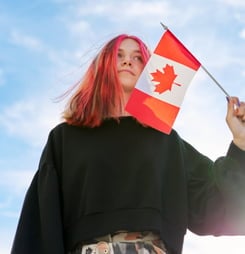

Multiculturalism Day is a lively celebration of the many cultures that shape communities around the world. It shines a light on the mix of languages, traditions, and customs that make society more colorful and connected.
At its core, the day encourages people to notice how individuals preserve their cultural roots while sharing schools, neighborhoods, workplaces, and public spaces with others who may live differently. It promotes curiosity instead of assumptions and connection instead of staying within familiar circles.
This celebration brings people together by recognizing the value of cultural diversity and the strength it adds to everyday life, from the meals shared around a table to the music heard at festivals to the stories passed down through generations.
How to Celebrate Multiculturalism Day
Host a Cultural Potluck
Why settle for one type of cuisine when an entire world of flavors can gather around one table? A cultural potluck becomes even more meaningful when guests are invited to bring a dish connected to their own background, childhood memories, family traditions, or special celebrations.
Adding small “menu cards” beside each dish can turn the meal into a learning experience. These cards can include the dish name, where it is commonly enjoyed, and important ingredients or allergy information. Guests can also share a short personal story about the recipe, who taught them to make it, or why it matters to their family.
To keep everyone comfortable, it helps to make participation simple and welcoming. Homemade dishes are wonderful, but store-bought foods, snacks, tea, bread, or fruit are just as appreciated. The focus is on sharing culture, not showing off cooking skills. Larger gatherings may benefit from a sign-up list that balances desserts, mains, side dishes, and dietary options like vegan or gluten-free meals.
Dress in Traditional Attire
Wearing traditional clothing can be a meaningful way to celebrate cultural identity when done with care and respect. The most thoughtful approach is wearing attire connected to one’s own heritage or clothing shared and explained by someone from that culture. Traditional garments often carry significance tied to region, ceremonies, or family history.
A fun activity is turning the event into a cultural “show and tell.” Participants can explain the name of the outfit, when it is worn, and details like embroidery, patterns, jewelry, or accessories. They may also talk about how traditional styles evolve over time or blend with modern fashion.
For people who do not own traditional attire, there are still respectful ways to participate. Wearing colors connected to a flag, a meaningful scarf, or family jewelry can still reflect cultural pride. The aim is appreciation and understanding, not wearing costumes.
Attend a Cultural Fair
Cultural fairs and festivals bring traditions to life through music, dance, storytelling, crafts, and food. They also create opportunities to meet people who are passionate about sharing their heritage and experiences.
To make the experience more engaging, visitors can set small goals such as tasting one unfamiliar dish, learning a simple dance move, or asking a performer or artisan a respectful question about their craft. Craft stands often reveal fascinating stories about techniques passed through generations or how old traditions are adapting today.
For children, cultural fairs are a gentle way to expand their understanding of the world. Hearing different languages, seeing diverse clothing styles, and watching unique performances helps children understand that many ways of living exist. Interactive activities like drumming, weaving, folk games, or calligraphy make learning enjoyable and memorable.
Learn a New Language Phrase
Choosing a few phrases in another language is a simple but powerful way to connect with another culture. Common expressions like “hello,” “please,” and “thank you” are useful starting points. Phrases such as “Nice to meet you” or “How do you say…?” can also make conversations feel more genuine.
Learning pronunciation is equally important. Listening carefully to native speakers and practicing with humility helps people understand that language is tied closely to culture. Some languages include different levels of formality or phrases that carry meanings beyond direct translation.
A creative group activity is “language sharing,” where each participant teaches the group one useful phrase along with a cultural note explaining when and how it is commonly used. This reminds people that language reflects values, manners, and social relationships.
Watch International Films
Watching international films offers a window into cultures through storytelling, humor, family life, traditions, and everyday experiences that may not appear in travel guides or textbooks.
A film night can become more interactive with a short discussion afterward. Participants can talk about what surprised them, what felt familiar, or which cultural details stood out, such as greetings, food customs, or social expectations. Conversations should stay open-minded and curious rather than judgmental.
Exploring different genres also enriches the experience. Comedies reveal cultural humor, dramas highlight social issues, and animated films often reflect folklore or family values. Subtitles also remind viewers that translation is never perfect and that some meanings, jokes, or expressions cannot be fully transferred between languages.
Reasons for Celebrating Multiculturalism Day
Multiculturalism Day is celebrated to encourage unity through diversity. It reminds people that different cultures can coexist while contributing to a stronger and more connected society. Beyond the inspiring message, the day also has practical importance in daily life.
Modern communities involve people from many backgrounds sharing workplaces, schools, neighborhoods, and public services. Understanding cultural customs, traditions, and communication styles can reduce misunderstandings and improve everyday interactions. Simple awareness, such as understanding food restrictions or different body language, can make social situations more respectful and comfortable.
The celebration also highlights the countless contributions made by cultural communities. These contributions appear in art, music, literature, architecture, sports, science, entrepreneurship, caregiving traditions, and community leadership. Societies are shaped by generations of people from diverse backgrounds working together.
Multiculturalism Day also supports inclusion, which goes beyond simple tolerance. Tolerance may suggest merely accepting differences from a distance, while inclusion focuses on belonging and participation. It asks whether people feel comfortable expressing their identity openly and whether their stories are respected within society.
There is also personal growth involved in cultural learning. Trying new foods, hearing unfamiliar languages, or learning the history behind traditions encourages curiosity and empathy. Personal stories often leave stronger impressions than general statements because they connect human experiences to real people.
Finally, the day reminds people that culture is constantly evolving. Traditions adapt, families blend customs, and communities influence one another over time. Multiculturalism is often less about separation and more about sharing experiences while respecting differences.
Multiculturalism Day Timeline
Universal Declaration of Human Rights affirms equality
The United Nations General Assembly adopted the Universal Declaration of Human Rights, asserting equal dignity and rights for all people and influencing later anti‑discrimination and multicultural policies around the world.
U.S. Immigration and Nationality Act reshapes diversity
The Hart–Celler Act abolishes national-origins quotas and bars discrimination in visa issuance by race or nationality, opening U.S. immigration to Asia, Africa, and Latin America and accelerating the growth of a multicultural society.
Canada adopts an official multiculturalism policy
On October 8, Prime Minister Pierre Trudeau announced “multiculturalism within a bilingual framework” as official federal policy, recognizing the value of diverse cultural communities and their full participation in Canadian society.
Canadian Charter gives constitutional recognition to multiculturalism
Canada’s new Charter of Rights and Freedoms enters into force with section 27, which states that the Charter shall be interpreted in a manner consistent with preserving and enhancing the multicultural heritage of Canadians.
Canadian Multiculturalism Act was passed
Canada enacts the Canadian Multiculturalism Act, becoming the first country to entrench multiculturalism in national legislation and committing the federal government to promote equality, cultural diversity, and full participation for all.
History of Multiculturalism Day
Multiculturalism Day was created to celebrate cultural diversity and encourage inclusion within society. In Canada, multiculturalism has been an important part of public discussion for many decades as the country explored ways to create unity while respecting cultural identity.
During the early 1970s, Canada officially adopted multiculturalism as a federal policy. This policy recognized cultural diversity as a national strength and encouraged equal participation for people from all backgrounds. Over time, multiculturalism influenced education, public programs, community initiatives, and conversations about identity and belonging.
Multiculturalism Day itself was officially established in the early 2000s through a royal proclamation. A specific day each year was dedicated to recognizing the importance of multiculturalism and celebrating the contributions made by people from diverse cultural, ethnic, and religious communities. The proclamation emphasized understanding, friendship, and mutual respect between groups.
Although the observance is officially Canadian, its message resonates globally. Many countries face similar questions about preserving cultural heritage while creating shared public life. Multiculturalism Day encourages societies to see diversity as a natural and valuable part of modern communities.
The celebration also connects naturally with other events focused on identity, history, and community. Schools, museums, cultural centers, and neighborhoods often organize performances, exhibitions, discussions, and shared meals that transform cultural understanding into an active experience.
Over the years, Multiculturalism Day has encouraged people to move beyond surface-level appreciation of traditions. While food, dance, and music remain joyful parts of the celebration, the day also creates space for deeper conversations about fairness, representation, belonging, and visibility within society.
In this way, the history of Multiculturalism Day is not only tied to policies or official declarations. It also reflects an ongoing effort to create communities where different identities, traditions, and experiences can exist together with respect and understanding.
Cultural Diversity Is Treated as a Global “Common Heritage”
In 2001, UNESCO’s Universal Declaration on Cultural Diversity stated that cultural diversity is “as necessary for humankind as biodiversity is for nature,” describing it as the common heritage of humanity that must be preserved and passed on to future generations. This language helped shift diversity from a niche cultural topic to a shared global responsibility, influencing how many countries frame multiculturalism in their laws and policies.
Canada Turned Multiculturalism from Policy Into Law
Canada first announced multiculturalism as an official government policy in 1971, but it went further than most countries by embedding that idea into its legal framework. Section 27 of the Canadian Charter of Rights and Freedoms, adopted in 1982, states that the Charter “shall be interpreted in a manner consistent with the preservation and enhancement of the multicultural heritage of Canadians,” and in 1988, Parliament passed the Canadian Multiculturalism Act, making Canada the first country to enshrine multiculturalism policy in national legislation.
Canada’s Multiculturalism Policy Reframed Integration Around Choice
When Canada announced its multiculturalism policy in 1971, the government explicitly rejected the idea that newcomers should be forced to assimilate completely into a dominant culture. The policy is committed to helping cultural groups maintain their heritage, supporting individuals in overcoming barriers to full participation, encouraging intercultural exchanges, and assisting immigrants in learning English or French, effectively redefining integration as participation without erasing cultural identity.
UN Research Links Cultural Diversity With Sustainable Development
The United Nations connects multiculturalism to global development goals, not just social harmony. In proclaiming the World Day for Cultural Diversity for Dialogue and Development, UN documents emphasize that cultural diversity and intercultural dialogue contribute directly to peace, poverty reduction, gender equality, and other Sustainable Development Goals, arguing that development strategies are more effective when they draw on the knowledge, values, and creative potential of many cultures.
Multicultural Policies Aim to Protect Minority and Indigenous Rights
UNESCO’s Universal Declaration on Cultural Diversity ties respect for cultural diversity to respect for human rights, highlighting in particular the rights of persons belonging to minorities and indigenous peoples. It treats cultural rights, such as the ability to practice and transmit one’s language, traditions, and beliefs, as integral to human rights law, a position that underpins many modern multicultural policies that seek not only to celebrate diversity but also to correct historic patterns of exclusion.
Diversity’s Impact on Social Cohesion Depends Heavily on Inequality
Long-running studies in Europe and the United Kingdom have found that areas with more ethnic diversity often appear less cohesive at first glance, but much of this effect weakens or disappears once deprivation and economic disadvantage are taken into account. Research summarized by the Migration Observatory at the University of Oxford and by the UK Understanding Society study shows that poverty, segregation, and lack of opportunity tend to undermine trust and neighborhood solidarity more consistently than diversity itself.
Multicultural Societies Tend to See Economic Gains from Diversity
International economic studies indicate that migration and cultural diversity usually have small but positive or neutral effects on national economies, rather than the large negative impacts often assumed in public debate. OECD analyses report that immigration typically leads to modest increases in GDP and productivity and can boost innovation, especially when diverse workers are integrated into fair labor markets and supported by strong institutions, suggesting that well-managed multiculturalism can be an economic asset as well as a social one.