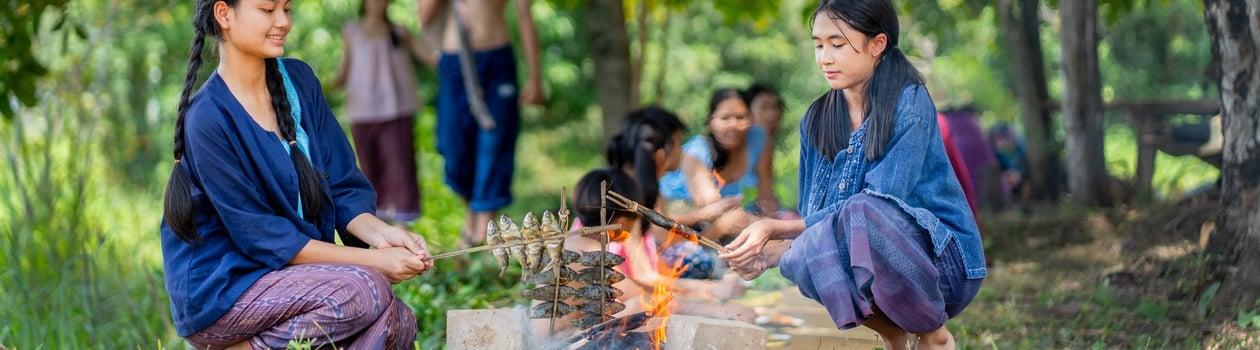
Peace Corps Day is a special occasion that honors the dedication and hard work of Peace Corps volunteers.
These individuals commit to serving in various countries and helping communities with projects in education, health, agriculture, and more.
Their service significantly impacts the communities they assist and enriches their home communities upon their return. The day is a tribute to their efforts and the positive changes they foster worldwide.
Peace Corps Day Timeline
Kennedy’s Late‑Night Challenge at Michigan
Presidential candidate John F. Kennedy challenges students at the University of Michigan to devote years of service in developing countries, inspiring the concept of a national volunteer corps.
Executive Order 10924 Creates the Peace Corps
President Kennedy signs Executive Order 10924, establishing the Peace Corps on a temporary pilot basis within the Department of State to promote world peace and friendship.
Congress Makes the Peace Corps Permanent
Congress passes Public Law 87‑293, formally authorizing and funding the Peace Corps as a permanent agency with three goals centered on training, service abroad, and mutual understanding.
Peak Volunteer Numbers in the 1960s
Peace Corps service reaches its historical peak with more than 15,000 volunteers working in 52 countries, reflecting intense interest in international service during the decade.
Peace Corps Folded into ACTION Agency
By Executive Order 11603, President Richard Nixon places the Peace Corps under the new ACTION volunteer agency, altering its administrative home while its statutory mandate remains intact.
Peace Corps Becomes an Independent Agency
The Peace Corps regains its status as an independent federal agency, reinforcing its distinct mission and allowing renewed focus on long‑term grassroots development work abroad.
Launch of Crisis Corps (Later Peace Corps Response)
Peace Corps creates Crisis Corps to deploy returned volunteers on short‑term, high‑impact assignments, including disaster recovery and health projects, a program later renamed Peace Corps Response.
Reasons for Celebrating Peace Corps Day
Celebrating Peace Corps Day recognizes the volunteers’ contributions to international development and cultural exchange.
Volunteers help communities by sharing knowledge and skills that support sustainable growth. Their experiences also promote a deeper understanding and empathy between different cultures.
Additionally, this day highlights the importance of global solidarity, encouraging more people to consider volunteerism as a powerful tool for making a difference.
History of Peace Corps Day
Peace Corps Day began on March 1, 1961, when President John F. Kennedy signed Executive Order 10924, officially establishing the Peace Corps as an agency.
The idea gained momentum during Kennedy’s presidential campaign, particularly after his speech at the University of Michigan, where he challenged students to serve their country by aiding developing nations.
The first group of Peace Corps volunteers, numbering 750, began their service in 1961 in 13 countries, including Ghana and Tanzania. Sargent Shriver, Kennedy’s brother-in-law, was appointed as the first director of the Peace Corps.
Under his leadership, the agency rapidly expanded, and by 1966, more than 15,000 volunteers were serving in 52 countries.
The Peace Corps was established to promote world peace and friendship through service, and it has continued to adapt and grow, with volunteers today serving in over 60 countries worldwide.
How to Celebrate Peace Corps Day
Host a Storytelling Session
Gather friends, family, or community members for a storytelling session. Invite returned Peace Corps volunteers to share their adventures and experiences.
Their tales of cultural exchange, funny moments, and lessons learned will entertain and inspire everyone.
Organize a Cultural Potluck
Food brings people together, so why not celebrate with a cultural potluck? Ask guests to prepare dishes from countries where Peace Corps volunteers serve. Enjoy the diverse flavors and learn about different culinary traditions.
Volunteer Locally
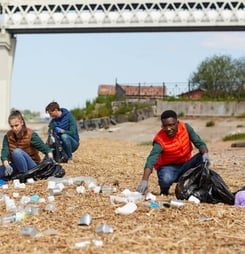
Celebrate the spirit of service by volunteering in your local community. Find a local charity or organization, and spend the day helping others.
This act of kindness honors the dedication of Peace Corps volunteers worldwide.
Watch a Documentary
Set up a cozy movie night and watch a documentary about the Peace Corps. Films showcasing volunteers’ journeys and the impacts of their work offer an engaging way to understand the organization’s mission and history.
Create an Art Exhibit
Encourage local artists to create pieces inspired by Peace Corps work. Display these artworks in a community center or library.
This exhibit can highlight the beauty of different cultures and the positive changes brought about by volunteers.
Host a Fundraiser
Organize a fun and quirky fundraiser to support Peace Corps projects. Plan a themed party, run a bake sale, or host a community auction. Funds raised can help support ongoing projects and initiatives.
Social Media Campaign
Launch a social media campaign celebrating Peace Corps Day. Share stories, photos, and facts about the Peace Corps. Encourage others to join in and spread awareness using creative hashtags and engaging posts.
Facts About Peace Corps Day
People-to-People Diplomacy as Cold War Strategy
Historians note that the United States saw the Peace Corps as a complement to traditional diplomacy during the Cold War, using long-term, on-the-ground volunteer service to counter negative images of America and to compete with Soviet influence in newly independent nations.
Volunteers were deliberately placed in rural and underserved communities where official U.S. presence was minimal, and their day-to-day relationships were viewed as a strategic asset for building pro‑democratic sentiment over time.
How the “Three Goals” Shape Every Volunteer Assignment
Every Peace Corps assignment is designed around three statutory goals: helping countries meet their need for trained men and women, promoting a better understanding of Americans abroad, and helping Americans understand other peoples.
This “three goals” framework, written into the Peace Corps Act, means volunteers are evaluated not only on technical project outcomes, such as improved crop yields or classroom performance, but also on how well they foster mutual cultural understanding in both their host communities and back home.
From Chalkboards to Climate Resilience
Over time, the sectors in which Peace Corps volunteers work have evolved from early emphasis on basic education and agriculture to a broader portfolio that includes climate-smart agriculture, environmental protection, and community economic development.
Official agency materials show current projects that range from teaching girls STEM subjects and entrepreneurship to helping farmers adapt to changing rainfall patterns and restore degraded forests through agroforestry.
A Training Model Built on Language and Cultural Immersion
Volunteer preparation is heavily focused on learning local languages and customs, with pre‑service training typically lasting about three months and including intensive language classes, technical skills, and home stays with local families.
The agency reports that volunteers have collectively learned more than 200 languages, and this linguistic immersion is considered crucial to gaining trust, navigating village politics, and making projects sustainable after volunteers leave.
The “Domestic Dividend” When Volunteers Return Home
Researchers and alumni organizations describe a “domestic dividend” in which returned volunteers channel their overseas experience into careers in education, public health, international development, and public service in the United States.
Studies and alumni surveys show that this cohort often plays outsized roles in launching global education programs in U.S. schools, founding NGOs, and shaping foreign policy debates with firsthand knowledge of life in low‑income countries.
Shifting Country Maps Reflect Global Politics
The list of countries hosting volunteers is constantly changing in response to coups, civil conflicts, and diplomatic relations.
Peace Corps history notes that programs have closed in some nations after security deteriorated or governments changed, while new partnerships opened in others, resulting in a cumulative total of over 140 countries served but a smaller number operating at any given time.
Women’s Participation and Leadership in Service
Although early Peace Corps cohorts were dominated by men, women now make up a substantial majority of volunteers in many years, according to agency fact sheets.
Women often lead projects focused on girls’ education, maternal and child health, and women’s entrepreneurship, and the organization has developed gender‑focused training to help volunteers recognize and challenge local barriers to women’s participation in community life.