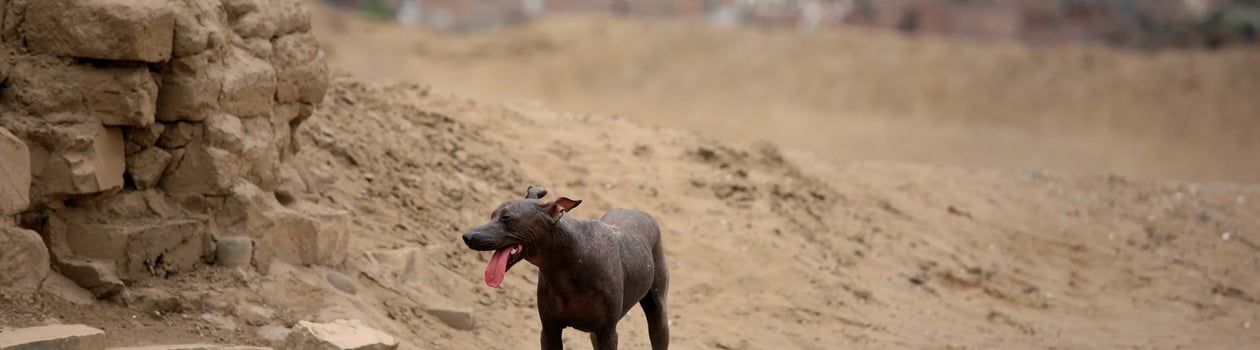
The Peruvian Hairless Dog Day honors a rare, elegant breed with deep roots and an unmistakable silhouette. It celebrates the only living dog breed native to Peru, known as the Peruvian Hairless Dog, Perro sin Pelo del Perú, and, in many places, the Peruvian Inca Orchid.
That unique breed carries meaning long past fur.
At a glance, the breed looks almost sculpted: smooth skin, long lines, alert ears, and an expression that seems to notice everything. But the fascination is not only about appearance. The Peruvian Hairless Dog represents a living thread of cultural continuity, a companion that appears in stories, art, and national symbolism. For admirers, it is a reminder that heritage can be something that breathes, plays, and leans against a leg for warmth.
This dog reflects Peru’s heritage. People recognize it for loyalty, warmth, and its distinctive look. National pride grows each year when attention turns to that sleek companion as an emblem of culture.
As with many primitive or ancient breeds, the Peruvian Hairless Dog tends to keep one eye on its people and one eye on the room. Owners often describe a dog that bonds closely, learns quickly, and communicates with body language as much as sound. There is a gentle seriousness to the breed: affectionate at home, observant with strangers, and happiest when included in daily routines rather than treated like a decorative pet.
Celebration fills the air with respect and affection. Owners and admirers gather. Their voices praise its gentle, alert nature and close bond with families.
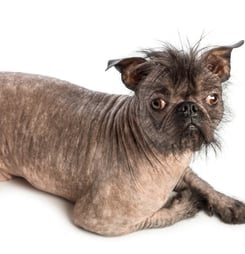
Because the breed is relatively uncommon, even small gatherings can feel special: a handful of dogs together reveals variety within the standard. Peruvian Hairless Dogs come in three size categories, from small to large, and the skin can range widely in color, from dark tones to pale shades, sometimes with mottling.
Some dogs have small tufts of hair on the head, feet, or tail, and litters can include a coated variety as well. Seeing that range in person helps people understand that “hairless” is a defining trait, not a single uniform look.
This breed often helps people feel connected to Peru’s past and identity.
The connection is not just sentimental. The Peruvian Hairless Dog is frequently discussed as a cultural asset, a breed that survived shifts in society and tastes. For many enthusiasts, learning about the dog becomes a gateway into broader curiosity about Peruvian history, art traditions, and the way animals appear in everyday life and symbolism. In that sense, admiring the breed can become a respectful kind of cultural listening: paying attention to what a community values and why.
Observers and fans share images, stories, and feelings among online communities.
It is an especially photogenic dog, not because it is flashy, but because it is expressive. A Peruvian Hairless Dog wrapped in a cozy sweater, snoozing in a warm sunbeam, or trotting with a proud posture tends to spark questions. Those questions often lead to useful conversations about responsible ownership, rare-breed preservation, and what “care” looks like for a dog whose needs are a little different from the average fluffy companion.
A lively connection unfolds, rooting admiration for a dog that’s more than a pet—it’s a living symbol embraced by many.
How to Celebrate the Peruvian Hairless Dog Day
Peruvian Hairless Dog Day offers a fun reason to celebrate a breed that stands out for more than its appearance.
A good celebration balances charm with care. This is a day for cute photos and community, yes, but also for learning what makes the breed thrive: warmth, gentle handling, smart routines, and skin-focused grooming.
For people who have never met a Peruvian Hairless Dog, the best way to participate is to approach with curiosity and respect. Rare breeds can attract impulse interest, and this day works best when it encourages thoughtful appreciation instead.
Share Some Love Online
Snap a photo with one of these dogs and post it. Add a fun fact or quirky caption. Use different tags to connect with others who adore this breed.
Social media becomes a meeting place for fans near and far.
To make the post genuinely helpful, it can highlight something practical rather than only the “wow” factor. For example, people often do not realize that hairless dogs still need grooming, just a different kind. A short note about gentle bathing, using fragrance-free moisturizer, or choosing dog-safe sunscreen for outdoor time can educate while keeping the tone light.
It also helps to celebrate personality. Many Peruvian Hairless Dogs are known for being affectionate “shadow” dogs that like to stay close to their people. Sharing a quick story about a dog’s favorite routine, such as curling up under a blanket or doing a little patrol of the home before settling down, gives newcomers a more accurate picture than a posed photo alone.
Visit a Local Shelter
Some shelters care for these dogs or similar breeds. Ask if you can help out or walk one. Even an hour makes a big difference.
Bring treats or supplies to support the staff.
Even if a shelter does not have a Peruvian Hairless Dog, visiting still fits the spirit of the day. Hairless or short-coated dogs in general often need extra help staying warm and comfortable, so donating soft blankets, washable bedding, or simple dog sweaters can be especially useful.
Volunteering time can be just as valuable as supplies: calm leash walks, enrichment games, and quiet companionship are powerful stress relievers for many dogs.
If meeting a hairless dog in a shelter setting, it is smart to approach gently and keep handling respectful. Skin can be sensitive, and some hairless dogs are more prone to minor scrapes or irritation. A slow greeting, clean hands, and avoiding rough play help keep the experience positive for everyone.
Learn from the Experts
Watch a short video or attend an event about the breed’s care. Read up on its needs and health quirks. A little knowledge goes far when talking about rare dogs like this.
Because the Peruvian Hairless Dog is distinct, learning a few core care principles can prevent common mistakes:
- Skin basics: Regular bathing can be helpful, but over-bathing can dry the skin. Many owners rely on mild, unscented products and moisturize afterward to maintain a comfortable skin barrier.
- Sun and shade: Hairless skin can burn. Outdoor time is still important, but it often comes with shade planning, protective clothing, or dog-safe sunscreen on exposed areas.
- Warmth: Without a fur coat, temperature management matters. Lightweight shirts can prevent sun exposure, and warmer layers help in cooler conditions. Indoors, these dogs often appreciate soft beds and blankets.
- Teeth: The gene linked with hairlessness can also be associated with missing teeth or dental quirks in some dogs. That makes routine dental care especially relevant, including appropriate chew options and regular veterinary attention.
Learning from breed clubs, veterinarians familiar with the breed, and experienced owners helps separate myth from reality. One common misconception is that hairless dogs are “low maintenance.” They can shed less, but their care shifts from brushing fur to managing skin health and comfort.
Host a Mini Gathering
Invite neighbors or friends who love pets. Set up dog-safe snacks and games. Share stories, laughs, and a few cuddles if a pup joins.
This simple act brings people together.
A gathering works best when it is designed around a calm environment. Peruvian Hairless Dogs are often sensitive, tuned-in companions, so a quieter party can be more enjoyable than a chaotic one. A few thoughtful touches can make it both fun and safe:
- Provide shaded or indoor areas so dogs can avoid direct sun.
- Offer a “sniff station” with a few interesting but safe scents on cloth squares, which can be an easy enrichment activity.
- Keep playgroups small and matched by size and energy, since the breed comes in multiple sizes.
- Make water readily available and encourage breaks.
If someone brings a hairless dog, reminders about gentle petting can help. Some dogs love contact, but heavy rubbing can irritate the skin. Light strokes and letting the dog choose the level of interaction are good rules.
Make a Handmade Gift
Craft a tiny blanket, coat, or toy for one of these dogs. Their skin needs extra care. Use soft fabrics and skip anything scratchy. Thoughtful gifts make tails wag.
A handmade item can be both adorable and truly functional. Soft fleece or smooth cotton tends to be more comfortable than rough knits. Seams matter too: thick seams can rub, especially around the chest and underarms where movement is constant.
For clothing, simple designs often work best. A lightweight shirt can protect from sun and minor scrapes during outdoor exploration. A warmer sweater or jacket can help with cooler weather, especially for dogs that prefer to stay snug. If crafting toys, avoiding abrasive textures is a good idea, and choosing washable materials helps keep skin contact clean.
People who want to go one step further can assemble a small “comfort kit” that includes a soft blanket, gentle wipes for quick cleanups, and a reminder card with skin-care basics. It keeps the gift sweet while also supporting responsible care.
History of Peruvian Hairless Dog Day
The history of Peruvian Hairless Dog Day begins with a big step in 1985. That year, the Fédération Cynologique Internationale officially recognized the breed during a meeting in Amsterdam.
Recognition by an international kennel organization matters because it helps standardize how the breed is described and evaluated. For a rare native breed, that kind of acknowledgment can support preservation by encouraging structured breeding programs, clearer records, and broader awareness among dog experts. It also signals that this is not a novelty, but a legitimate breed with consistent traits, a history, and a community working to protect it.
Peru took that date and turned it into a yearly event to celebrate this special dog. The breed holds deep meaning in the country, so giving it a day made sense to many.
That meaning reaches back through time. The Peruvian Hairless Dog is often associated with pre-Columbian cultures, appearing in artistic depictions such as ceramics and decorative works from coastal societies.
The dog’s distinctive look makes it recognizable in stylized art, and that visual record has helped keep the breed in public imagination. Over centuries, the breed became tied to ideas of home life, guardianship, and companionship, not simply as a working animal but as a close partner to people.
Later, the Peruvian government gave full support. Officials passed a law in 2001 declaring the breed a national treasure. That law helped protect the dog and boosted its role in Peruvian identity.
Government recognition adds another layer: it frames the Peruvian Hairless Dog as part of cultural heritage worth safeguarding. In practical terms, official support can encourage conservation programs, responsible breeding efforts, and public education. It can also influence how the breed is presented in cultural spaces, strengthening the idea that the dog is a living representative of national history rather than a trend.
A national committee also got involved, pushing the celebration further and encouraging people to care for the breed and learn more about it.
Committees and advocacy groups tend to focus on the unglamorous but crucial work: promoting health testing, discouraging irresponsible breeding, and educating new owners on what hairless dogs actually require. They also help correct misconceptions.
For example, while some people assume hairless dogs are automatically “hypoallergenic,” allergens are not only in fur. Dander and saliva can still cause reactions. Promoting accurate information protects both dogs and humans by reducing mismatched adoptions.
What started as a breed recognition date became something much bigger. People saw this hairless dog not just as a pet, but as a living part of the country’s story.
That “living story” quality is part of what makes the day so engaging. Unlike static artifacts, a breed continues through careful, ethical stewardship. Each generation of Peruvian Hairless Dogs reflects choices made by breeders and owners: prioritizing sound temperament, stable health, and the physical traits that define the breed without sacrificing well-being. In that sense, celebration is not only about looking back. It is also about making sure the future of the breed is comfortable, healthy, and secure.
Once nearly gone, the breed found new life through love, care, and growing attention.
Rare breeds often walk a narrow line between obscurity and overexposure. Increased attention can help prevent loss, but it can also attract careless demand. The most meaningful way to honor the Peruvian Hairless Dog is to keep the focus on responsible admiration: supporting ethical breeding, appropriate veterinary care, and education about skin protection, dental health, and temperature management.
Now, every year, Peruvian Hairless Dog Day honors that journey. It connects past and present through a warm, alert companion who still walks among ruins, homes, and city parks—no fur needed to carry meaning.
Part of the breed’s charm is that it feels both ancient and modern. The Peruvian Hairless Dog fits into contemporary life as a devoted companion, yet it carries unmistakable visual echoes of history.
Celebrating the day can be as simple as sharing a photo or as substantial as learning how to care properly for a hairless dog. Either way, the central message stays the same: this is a distinctive breed whose value is measured in companionship, cultural significance, and the quiet pride of keeping something rare and meaningful thriving.