Play the Recorder Day
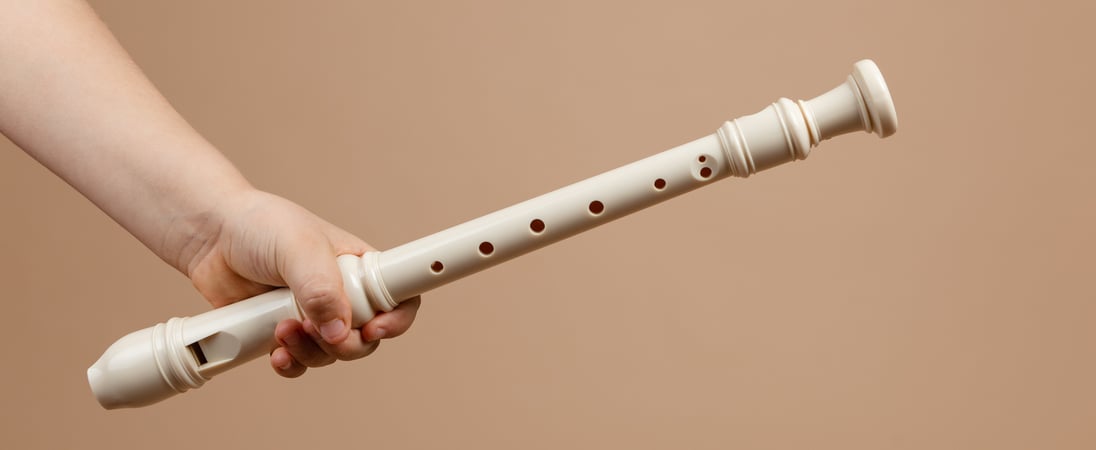
Get ready to celebrate the unique sounds of the recorder! Play the Recorder Day, observed annually on the third Saturday of March, fills the air with the sweet tones of this woodwind instrument.
Why do we dedicate a day to the recorder? It’s all about appreciating this instrument’s distinct charm and encouraging more people to discover its joys.
The recorder is known for its clear, bright sound, making it a favorite for beginners and seasoned players.
Despite being overshadowed by other flutes in popularity, the recorder holds a unique place in music education. It is still one of the first instruments children usually learn to play.
Play the Recorder Day shines a spotlight on the skills and creativity involved in playing the recorder. From its simple design to the diverse sounds it can produce, the day emphasizes the music it creates.
Whether you are a professional musician or just play for fun, this day offers a wonderful opportunity to share your love for the recorder with others.
Play the Recorder Day Timeline
1335–1418
Earliest surviving medieval recorder
The Dordrecht recorder, found in a well in Dordrecht in the Netherlands and dated to between 1335 and 1418, is the oldest known surviving recorder and shows the instrument already well developed in medieval Europe.
1388
“Recorder” appears in English records
Household accounts of Henry Bolingbroke, later King Henry IV of England, from 1388 include the word “recorder,” providing the earliest known written use of the instrument’s English name.
1535
Ganassi published a key early recorder treatise
Silvestro Ganassi’s “Opera intitulata Fontegara,” printed in Venice in 1535, became one of the first major instruction books on recorder technique, ornamentation, and ensemble playing for Renaissance musicians.
1619
Praetorius documents the recorder family
In “Syntagma Musicum,” published in 1619, Michael Praetorius describes and illustrates consorts of recorders in multiple sizes from sopranino to contrabass, giving a detailed snapshot of the instrument’s Renaissance and early Baroque use.
Early 18th century
Baroque composers featured the recorder
During the Baroque period, composers such as Antonio Vivaldi, Georg Philipp Telemann, George Frideric Handel, and Johann Sebastian Bach wrote concertos, sonatas, and orchestral parts for the recorder, marking its peak status as a solo and ensemble instrument.
Late 18th–19th centuries
Recorder declines from professional use
By the late eighteenth century, the transverse flute largely replaced the recorder in professional music, and through the nineteenth century, the recorder survived mainly in amateur circles rather than mainstream orchestral writing.
1898
Scholars help spark the recorder revival
In 1898, Christopher Welch presented a paper on recorder literature to the Musical Association in London, one of the early scholarly efforts that drew modern attention back to the long-neglected instrument and contributed to its twentieth‑century revival.
History of Play the Recorder Day
Play the Recorder Day was introduced in 1992 by the American Recorder Society to celebrate and spread awareness of the recorder as a musical instrument.
This special day is observed every year on the third Saturday of March. The creation of this day marked a significant effort by society to promote the recorder’s unique sound and musical versatility, not just among seasoned players but also to inspire new enthusiasts.
The American Recorder Society, established in 1939, plays a crucial role in the observance of Play the Recorder Day.
The society’s founding aimed to support and unify recorder players across the United States, promoting the instrument’s education and performance.
The decision to introduce a specific day dedicated to the recorder came from the desire to enhance its music. The day encourages participation in playing the instrument, which has historical roots going back to the Middle Ages but had seen fluctuating levels of popularity over the centuries.
This observance not only celebrates the musical qualities of the recorder but also serves as a reminder of the instrument’s historical significance and its role in music education, particularly for young students.
The day is rich in performances, learning, and sharing on social platforms, enriching the musical tapestry of communities worldwide.
How to Celebrate Play the Recorder Day
Here are some quirky and playful ways to celebrate Play the Recorder Day, sure to spark joy and music!
Gather ‘Round for a Play-Along
Invite friends or community members for a recorder jam session. Everyone brings their recorder, and together, they fill the air with harmonious tunes. It’s like a flash mob but with recorders!
Host a Recorder Learning Bash
This is perfect for beginners! Organize a fun-filled workshop where novices can learn the basics of playing the recorder. Throw in some games to keep the vibe light and cheery.
Social Media Serenade
Encourage recorder enthusiasts to share clips of their best performances online using the hashtag #PlayTheRecorderDay. It’s a digital concert at its finest!
Musical Marathon
Create a playlist of famous recorded music and have it playing throughout the day. It could be background music at home or the soundtrack for a day at the office.
Dive into Recorder History
Organize a mini-exhibit or presentation about the recorder’s role throughout history.
Also on ...
View all holidays
National Single Parent Day
Raising kids solo can be tough, but single parents are superheroes who manage it all. Hats off to their resilience, love, and dedication!

World Down Syndrome Day
Embrace the resilience and unique beauty that shines brightly within individuals who possess an extra chromosome, fostering compassion and understanding.
World Poetry Day
With words as paint and emotions as the canvas, verses come alive, painting stories of heart and soul, in a symphony of expression.
We think you may also like...
World TB-303 Appreciation Day
An electronic music pioneer, its unique sound sculpted a genre that continues to resonate through the rhythms of today's tracks.
National Kazoo Day
Zany, buzzing musical instruments that let you join in the musical fun with their unmistakably goofy sound!