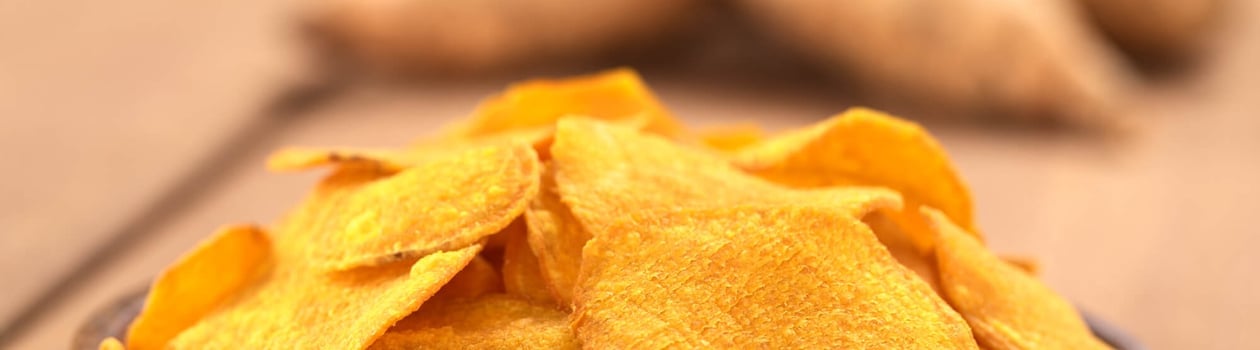
Potato chips have become one of the world’s most popular snacks to ever hit the market.
While this salty creation can now be made with a wide variety of methods and spiced with all kinds of delicious flavors. Some may ask however was the invention of the potato chip came from.
For those interested in the history of potato chips, National Potato Chip Day is just the excuse to do so!
How to Celebrate National Potato Chip Day
Enjoy Some Potato Chips
Grab a bag and snack on your favorite brand of potato chips.
Have a potato chip party and create a variety of dips and during that party, test out all different brands of potato chips you know of to see which one is the best of them all.
Share With Friends
Share this holiday with your friends and family on social media and help people learn about the history of their favorite snack.
You can post a photo of your favorite bag of potato chips and ask your followers to share their favorite flavor as well! After all, who doesn’t like to do a bit of bonding over food, right?
Make Potato Chips
Maybe even try your hand at making your own potato chips by looking up some recipes online. Test out different kinds of potatoes to see what potato is the best kind of to make homemade potato chips!
Some of the base ingredients include salt, unpeeled potatoes, pepper, garlic powder, and a number of other potential seasonings.
You are also going to need some oil so that you can deep-fat fry the potatoes as well. Make sure you make plenty of potato chips, as we’re sure they will be eaten fairly quickly!
Make It Competitive
You could even get a few friends around and have a competition to see who can create the best bag of potato chips!
You can all try to invent your own flavor and see who manages to come up with the best creation. There have been some crazy potato chip flavors made over the years, do you think that you could top them?
Learn About Potato Chip Flavors
In fact, this is another way that you can celebrate National Potato Chip Day; by learning about the different flavors from around the world.
You may be surprised to hear about some of the flavors that people enjoy! For example, did you know that Pringles once created sugar and cinnamon flavor potato crisps?
While sugar and cinnamon are undeniably a winning combination, you probably wouldn’t expect them to be used on a potato chip. Pringles decided to bring this flavor out for a limited period between 2014 and 2015.
Judging by the reviews that were left by people and the fact that these Pringles never returned, it is safe to say that they did not go down very well.
There are plenty of other flavors that have been released over the years too.
This includes Lay’s Nori Seaweed Flavor Chips, Kettle Brand Maple Bacon Potato Chips, Lay’s Cucumber Flavor Potato Chips, and Lay’s Baked Scallop with Butter & Garlic Potato Chips. Some of these flavors are very popular as well, although we’re not sure we would like to try cucumber crisps!
Learn About National Potato Chip Day
National Potato Chip Day has been created so that we can celebrate the number one snack in many households all over the world: potato chips!
If you’re someone who simply can’t stick to one packet of potato chips, you’re going to love this day, as you have the opportunity to eat as many as you want and no one can say anything about it!
There is so much to love about a bag of potato chips, isn’t there? They’re incredibly simple, but the best things in life are, right?
Plus, you can easily eat them on-the-go. No matter whether you are heading to work or you’re taking the train to visit a friend, you can take a bag of potato chips with you to make your day more enjoyable!
History of National Potato Chip Day
While potatoes have been around for the longest time, the potato chip began its origins with George Crum, who initially worked as a chef at Saratoga Springs’ Moon Lake Lodge in 1853, where French-fried potatoes were a favorite on their menu.
Frying potatoes originally came about during the 1700s, when Thomas Jefferson enjoyed them in France and introduced them to the local folk in Saratoga.
When customers started complaining that the fries were too thick, Crum sarcastically decided to cut the potatoes as thin as he could, fried them and sent them back to the customers.
To his surprise, they loved them and asked for more. From there, the potato chip was born. Crum from there opened his own restaurant and many famous people such as William Vanderbilt, Cornelius Vanderbilt, and Jay Gould visited his restaurant, with a basket of chips at every table.
Although Crum didn’t patent his invention, it came to pass as one of the most innovative snacks to move the food industry. Many from there began their own food production, including the Hanover Home Potato Chip company established in 1921.
A few years later, Laura Scudder came up with the concept of putting the chips in wax paper bags instead of putting them in glass containers or barrels.
Soon after, Herman Lay founded Lay’s in Nashville and his potato chips became the first national brand to sell potato chips successful on a wide scale. National Potato Chip Day aims to celebrate the salty, crispy snack and its fascinating history.
Facts About Potato Chip Day
The Science of the Chip’s Crunch
Food scientists study potato chip “bite force” and sound to understand why chips are so satisfying to eat.
Research using microphones and texture analyzers has shown that people rate chips as fresher and tastier when they fracture into many small pieces and produce a loud, high‑frequency crunch, which manufacturers can influence through slice thickness, moisture level, and frying time.
Why Potato Chips Brown and Form Acrylamide
When potato slices are fried at high temperatures, natural sugars and the amino acid asparagine react in the Maillard reaction, producing the chip’s golden color and roasted flavor.
The same reaction can also form acrylamide, a compound classified as a probable human carcinogen, which is why many chip makers now use lower‑sugar potato varieties and adjust frying conditions to keep acrylamide levels as low as reasonably achievable.
How Much Potato Becomes a Chip
Despite their airy texture, potato chips are mostly concentrated potato solids and oil.
A typical industrial process starts with potatoes that are about 80 percent water, but after slicing and frying, the finished chips contain only around 1 to 2 percent moisture and roughly one‑third of their weight as fat, which is why a large raw potato can shrink down to just a handful of chips.
From Kettle to Continuous Fryers
Early commercial chips were made in small kettles, but modern factories often use continuous fryers in which thin potato slices travel through hot oil on a conveyor system.
This switch to continuous frying improved output, energy efficiency, and consistency in color and crunch, and it helped make potato chips one of the first globally standardized snack foods.
The Birth of Flavored Potato Chips
For decades, potato chips were sold only salted, and flavored versions did not appear until the 1950s, when Irish company Tayto developed cheese & onion and salt & vinegar seasonings that could survive frying and storage.
The commercial success of these early flavors opened the door to the vast regional flavor portfolios seen today, from masala in India to seaweed in East Asia.
A Global Snack Industry Worth Tens of Billions
Potato chips are a major segment of the packaged snack industry, with global retail sales for potato‑based chips and crisps commonly estimated in the tens of billions of dollars annually.
Market analyses show particularly strong consumption in North America and Western Europe, but also rapid growth in Asia‑Pacific countries as Western‑style snacking becomes more common.
Packaging That Keeps Chips From Going Stale
Modern chip bags are not just plastic; they are usually made from metallized polypropylene film that blocks light and oxygen, two key drivers of rancidity in frying oils.
Manufacturers flush the bags with nitrogen before sealing, which cushions the fragile chips and slows oxidation so the snack can stay crisp and flavorful for months on the shelf.
National Potato Chip Day FAQs