National Poultry Day
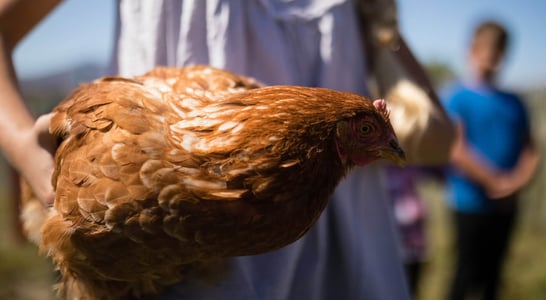
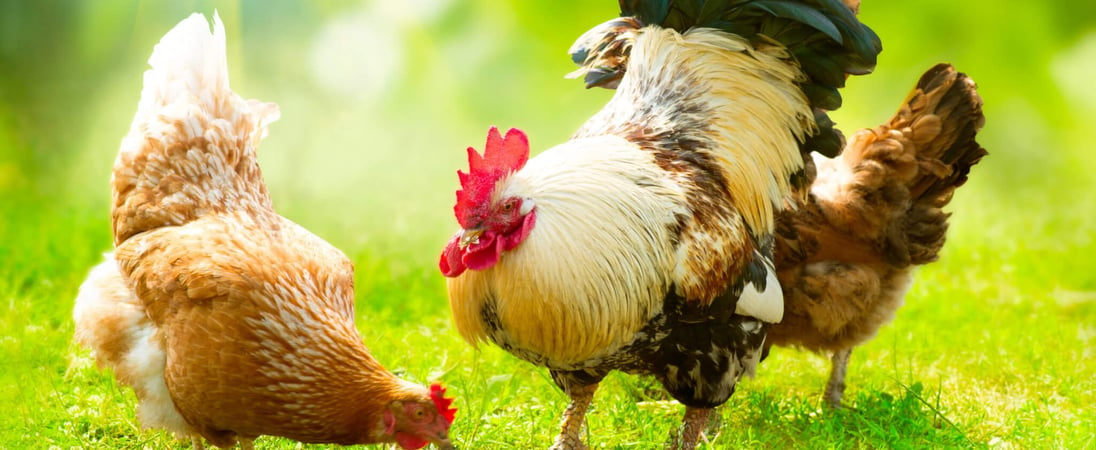
Exploring the lively world of backyard flocks, where clucks and curious antics turn a simple coop into a feathered adventure.
While dogs may be man’s best friend, man’s favorite meal may very well be Poultry. The domestication and cultivation of poultry have done a great deal to help society grow and prosper.
National Poultry Day celebrates this ancient tradition of animal husbandry has made delicious turkeys, abundant chicken, and eggs of every variety a staple on tables all over the world.
If you love all things poultry and are looking for an excuse to wing it and have a good time, watch for National Poultry Day to come around!
National Poultry Day Timeline
c. 1500–800 BCE
Early chicken domestication spreads from Asia
Archaeological and genetic evidence shows domesticated chickens, descended from red junglefowl in Southeast Asia, spreading into the Indus Valley and then the Near East and Mediterranean, where they begin to be used for meat, eggs, and ritual.
c. 200 BCE–200 CE
Romans integrate poultry into cuisine and religion
In the Roman Republic and Empire, chickens and other fowl become common farmyard animals and foods, while “sacred chickens” are used for divination before battles, illustrating both their economic and symbolic importance.
1842
First U.S. poultry exhibition highlights selective breeding
The Boston poultry show, one of the earliest organized poultry exhibitions in the United States, draws public attention to specialized breeds of chickens and other fowl, encouraging selective breeding for meat, egg production, and ornamental traits.
1923
Birth of the modern broiler industry in Delaware
Farmer Cecile Steele in Ocean View, Delaware, accidentally orders 500 chicks instead of 50 and raises them specifically for meat, proving the profitability of dedicated “broiler” flocks and helping launch the modern commercial poultry meat industry.
1940s
World War II shifts American meat consumption to chicken
With beef and pork tightly rationed during World War II, U.S. consumers turn to poultry, and chicken consumption rises sharply, pushing farmers and processors to expand flocks and adopt more intensive production methods.
Late 1960s
First vaccines developed for Marek’s disease in chickens
After Marek’s disease virus is isolated, researchers in England, the United States, and the Netherlands develop the first effective vaccines, creating the world’s first widely used cancer-preventing vaccine and transforming poultry health management.
1992
Global poultry meat output surpasses beef
According to FAO statistics, world poultry meat production overtakes beef for the first time, marking poultry’s emergence as the leading source of animal protein and underscoring its central role in global diets and agriculture.
How to Celebrate National Poultry Day
Take a trip to Versailles
National Poultry Day is best celebrated by making your way to the home of the event in Versailles, Ohio and participating in it right there.
If that’s a bit of a trip for you then it’s time to start organizing your own National Poultry Day celebration with your friends and family.
Who knows, your own town could become an important mecca for those unable to reach the home town of Versailles, Ohio! Just remember that poultry is the theme of the day, so include plenty of great meat and egg dishes.
Start a chicken farm!
If you want to make sure that every day is National Poultry Day, you could even consider getting a small chicken farm going in your own back yard.
History of National Poultry Day
Sometimes the greatest things start out from humble beginnings, and that’s how it happened with National Poultry Day.
Starting in a small town in Ohio by the name of Versailles in 1951, the holiday lasted only a single day, growing in popularity each year until 1962 when it was extended into a two-day event.
Every year saw more people in attendance, more varieties of food available, and more activities added. Current celebrations of National Poultry Day are full weekend events that contain everything from barbecue pits and beer tents to the worlds largest omelet pan.
National Poultry Day is an incredibly important event for the small town of Versailles, Ohio. Every year its population of 2,687 becomes nearly 52,000 for one short weekend.
This incredible influx of people has led to the 40-acre park known as “Heritage Park” to become the new home of the festival, with shelter houses, ponds, sports fields, and a walking track.
The income from the event helps to fund the park and ensure that it is maintained throughout the year, as well as making donations to important charities in excess of $700,000 over a 10 year time.
Facts About National Poultry Day
Ancient Poultry Were First Domesticated for Sport, Not Supper
Archaeological and historical evidence indicates that chickens were originally domesticated in parts of Southeast Asia and China thousands of years ago primarily for cockfighting and ritual use rather than as a food source.
Only later did societies begin selectively breeding them for meat and eggs, transforming a fighting bird into one of the world’s most important livestock species.
Poultry Provide the World’s Most Consumed Animal Protein
According to the UN Food and Agriculture Organization, poultry meat has become the leading source of animal protein globally, with chickens accounting for the vast majority of production.
World poultry meat output surpassed 137 million metric tons in 2022, reflecting how poultry’s relatively low cost and efficient feed conversion have reshaped diets in both developed and developing countries.
Chickens Have Complex Social Lives and Can Recognize Dozens of Individuals
Behavioral research shows that chickens possess sophisticated social cognition, including the ability to recognize up to several dozen other chickens and humans by their faces and to remember them over time.
They maintain stable dominance hierarchies, respond to the emotional state of flockmates, and use distinct vocalizations for different predators, challenging the stereotype that poultry are simple-minded animals.
Fertilized Chicken Eggs Are a Workhorse of Human Vaccine Production
For decades, embryonated chicken eggs have been central to manufacturing many influenza vaccines.
The World Health Organization notes that seasonal flu viruses are commonly grown in millions of fertilized eggs each year, which serve as living bioreactors to amplify the virus before it is inactivated or weakened for use in vaccines, making poultry a quiet but critical partner in global public health.
Selective Breeding Has Radically Transformed the Modern Broiler Chicken
Genetic selection and intensive breeding programs since the mid‑20th century have increased broiler growth rates severalfold while improving feed efficiency.
Comparative studies show that today’s commercial broilers reach market weight in about half the time and with far less feed than strains from the 1950s, illustrating how poultry genetics has been engineered to meet rising global demand for affordable meat.
Egg-Laying Hens Are Among the Most Prolific Domestic Animals
Modern layer hens, developed through specialized breeding and nutrition, can produce more than 300 eggs per year under commercial conditions.
The International Egg Commission reports that in many high‑performing flocks, hens sustain near‑daily laying for extended periods, turning poultry into one of the most efficient converters of feed into nutrient-dense food.
Poultry Play a Major Role in Household Food Security in Low-Income Countries
The FAO and World Bank highlight that small backyard flocks of chickens, ducks, or guinea fowl provide essential protein, income, and resilience for rural families in low‑ and middle‑income nations.
Because poultry require relatively little land and investment, women and children often manage these flocks, making poultry an important tool for poverty reduction and nutritional security.
National Poultry Day FAQs
How did National Poultry Day first gain recognition in the United States?
The origins of National Poultry Day are murky, but many link it to the early 20th century’s booming poultry farming.
During this time, the poultry industry grew thanks to advancements in farming and refrigeration, making chicken a household staple.
The day likely evolved as a grassroots celebration among farmers to honor their contribution to food supply.
Are there any ancient myths or superstitions about poultry?
In Roman mythology, chickens were sacred to Mars, the god of war. Their behavior was observed for omens.
Before battles, Romans would release sacred chickens and watch their eating habits to predict victory. A ravenous chicken signaled a positive outcome, while hesitation was considered a bad omen.
What unique poultry traditions exist outside the United States?
In parts of Indonesia, chickens play a role in spiritual cleansing rituals.
Known as Kukuruyuk, these ceremonies involve placing a live chicken near an individual to absorb negative energy. Once the ritual ends, the chicken is released or cared for as a symbol of renewal.
How has poultry influenced modern music or art?
The rhythmic “chicken dance” is a global cultural phenomenon. Originally composed by a Swiss accordionist in the 1950s, it became a staple at festivals, weddings, and Oktoberfests.
Its playful imitation of poultry movements has cemented its legacy as a quirky connection to chickens.
Did you know chickens can recognize human faces?
Studies show chickens can recognize up to 100 faces, human and otherwise.
This keen memory helps them navigate social hierarchies in flocks. Farmers often report chickens remembering and favoring kind caretakers while avoiding less friendly ones.
What surprising contributions has poultry made to science?
Chickens were integral to the discovery of genes that control body development. In the 1980s, scientists used chicken embryos to study genetic expression, paving the way for breakthroughs in developmental biology.
Are there any famous historical figures associated with poultry?
George Washington was a fan of poultry. His estate at Mount Vernon housed a large flock of chickens, including rare breeds. He documented their care in his journals, showing his dedication to sustainable farming practices.
What role does poultry play in global cuisines beyond chicken dishes?
In Japan, oyakodon (parent-and-child bowl) combines chicken and eggs over rice, symbolizing life cycles. In Nigeria, chicken is often paired with spicy peanut-based sauces, highlighting its versatility in cultural dishes.
How do chickens communicate with their flock?
Chickens have over 30 unique vocalizations. These sounds warn of predators, attract mates, or signal food discoveries. Observing their “language” reveals complex flock dynamics.
Why do some chickens lay blue or green eggs?
The Araucana breed, originally from Chile, lays blue eggs thanks to a unique pigment called biliverdin. These eggs are prized for their vibrant color, often mistaken for being dyed.
Also on ...
View all holidays
National Let’s Laugh Day
Laughter boosts mood, relieves stress, and strengthens relationships. So, don't forget to laugh often and spread joy wherever you go!


We think you may also like...


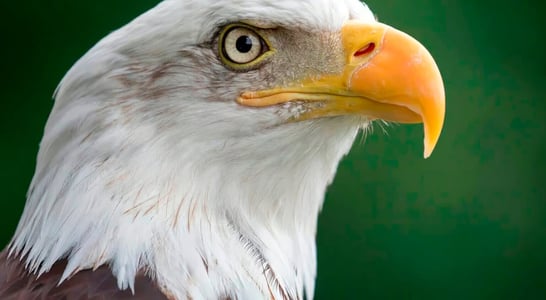
National Save the Eagles Day
Guardians of the skies, these majestic creatures symbolize resilience and grace, reminding us of the importance of preserving their noble legacy.