Purple Up! Day
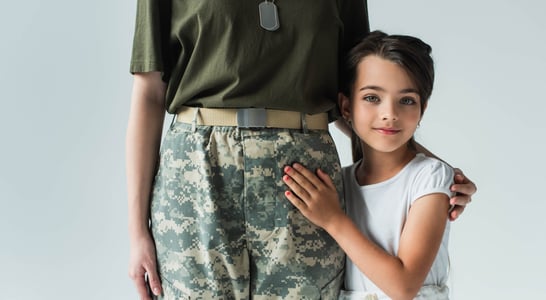
Celebrating unity and support by donning purple in solidarity with children whose parents serve in the military.
Children of military families face obstacles that most typical children of civilian families do not have to deal with. From having to move very often to dealing with a parent being deployed, the military family lifestyle can be very challenging.
These kids can learn some very important lessons along the way, but they also need the support of their families and communities around them.
Purple Up! For Military Kids Day is a super opportunity to give special honor and attention to these unique children.
History of Purple Up! For Military Kids Day
Purple Up! For Military Kids Day was started in 2011 by the New Hampshire Cooperative Extension Military Youth and Family Program as an education activity for the children of people who serve in the military. Later it was adopted by the entire Department of Defense.
The idea behind the day is for everyone to take part by showing support and appreciation for military kids through wearing purple. The color purple is meant to acknowledge the strength military children have and the sacrifices they make because of the lifestyle of their military parent.
In the military, the color purple can have some different meanings but, in this case, it is likely related to the connection with all branches of military and inclusive of civilians as well.
The idea is that all of the service colors are represented, including Army green, Navy blue, Marine red and Coast Guard blue – combined together to make purple.
This day is part of a larger campaign to acknowledge these kids during the month of April, known as the Month of the Military Child.
This event was established as a Defense-wide commemoration in 1986 and has grown to include Purple Up! For Military Kids Day as well as various other events.
How to Celebrate Purple Up! For Military Kids Day
Make a difference in the experience of military families and show support by participating in Purple Up! For Military Kids Day. Consider some of these ideas to get started with celebrating:
Purple Up!
This is the day to get dressed in purple in honor of all families with military kids. Wearing purple might simply mean donning a purple t-shirt or purple ribbon on a jacket.
Or it could certainly mean going all out and wearing purple head-to-toe. Kids, teachers, parents, grandparents and anyone who wants to show support for military kids can enjoy this day simply by wearing purple and using it as an opportunity to talk about how great military kids are!
Host an Assembly for Military Kids
Schools, youth clubs and other community groups can get involved with Purple Up! For Military Kids Day by creating opportunities for gathering and publicly acknowledging the children of military families in their community.
This might mean hosting an assembly at school where military children are honored and their parents are also invited to participate. Or it could mean asking the whole school to get involved by wearing purple on this important day.
Facts About Purple Up! Day
Hidden Global Population of Military-Connected Children
Researchers estimate that more than 4 million children worldwide have at least one parent serving in the U.S. military community, including active duty, National Guard, Reserve, and veterans, and roughly 1.6 million of these children are in active-duty families alone.
This “hidden” population is spread across all 50 states and over 100 countries, which means many military-connected students attend civilian schools that may not immediately recognize their unique needs.
Frequent Moves Outpace Most Civilian Families
Military children typically move six to nine times before finishing high school, which is about three times more often than their civilian peers.
These relocations can interrupt friendships, extracurricular activities, and coursework, especially when states or countries follow different academic standards and graduation requirements.
Deployment-Related Stress and Mental Health
Studies have found that children of deployed service members are at increased risk for anxiety, behavioral problems, and emotional difficulties compared with children in civilian families, particularly during long or repeated deployments.
One large study published in Pediatrics reported more outpatient mental health visits among military children during parental deployment, especially for school-age youth.
Academic Challenges and Achievement Gaps
Because of curriculum differences and frequent school changes, military-connected students can face gaps in learning, especially in math and reading, yet many still perform at or above national averages on standardized tests.
The Department of Defense Education Activity (DoDEA) has reported that its students, most of whom are children of active-duty personnel, consistently meet or exceed U.S. national norms in core subjects, suggesting resilience despite educational disruptions.
Interstate Compact for Military Children
To address problems such as credit transfer, course placement, and eligibility for sports and activities, U.S. states created the Interstate Compact on Educational Opportunity for Military Children in 2006.
All 50 states and the District of Columbia have now adopted this agreement, which sets common rules to reduce the impact of school moves on military-connected students, including expedited enrollment and flexible graduation requirements.
Impact Aid and Federal Support to School Districts
Since many military installations reduce the local property tax base that typically funds public schools, the U.S. Congress established the Impact Aid program in 1950 to help districts that educate large numbers of military-connected students.
Today, Impact Aid continues to provide billions of federal dollars to thousands of school districts, helping to pay for staff, special education services, transportation, and other supports that benefit military children.
Purple as a Joint-Service Color
Within the U.S. defense community, the term “purple” is used to describe joint-service efforts that include multiple branches of the armed forces working together rather than operating separately.
This idea of “purple” as a blending of Army green, Navy blue, Marine Corps red, Air Force blue, and Coast Guard blue reflects a cultural shift since the Goldwater-Nichols Act of 1986, which pushed the military toward more integrated, cross-branch cooperation.
Purple Up! Day FAQs
What unique challenges do children in military families often face compared with their civilian peers?
Children in military families are more likely to experience frequent relocations, separations from a deployed parent, changes in schools, and exposure to parental stress related to service.
Research has linked these stressors to higher risks of emotional and behavioral difficulties, academic disruption, and challenges maintaining friendships, although many military children also show strong resilience when well supported.
How do frequent moves and school changes affect military-connected students academically and socially?
Military-connected students may change schools many times, sometimes across states or countries, which can lead to gaps in curricula, lost credits, and difficulty accessing advanced or special education services.
Socially, repeated moves can disrupt peer relationships and support networks, so schools that actively identify and support military-connected students can help ease transitions and improve outcomes.
Are military children at higher risk for mental health problems?
Studies show that children with a deployed parent can face higher rates of anxiety, depression, and behavioral issues than their non-military peers, especially during and immediately after deployments.
Risk is influenced by factors such as the length and number of deployments, the mental health of the at-home caregiver, and access to supportive services, which means early identification and family-focused support can significantly reduce negative effects.
What types of support programs exist specifically for military children and teens?
Military children can access a range of dedicated supports, including on-base youth centers, school-based military family life counselors, peer support groups, and programs from organizations such as the Military Child Education Coalition and the US Department of Defense Education Activity.
These services may offer counseling, tutoring, transition support, mentoring, and recreational activities that help young people cope with moves and deployments.
How can schools better support students from military families?
Schools can support military-connected students by asking families about military affiliation in enrollment forms, training staff on military culture, and designating a point person or team for these students.
Practices such as flexible enrollment, timely record transfers, counseling access, peer “buddy” systems, and participation in the Interstate Compact on Educational Opportunity for Military Children help reduce academic disruption and social isolation.
Do military children generally adapt well to all the changes in their lives?
Many military children demonstrate strong adaptability, problem-solving skills, and maturity, partly because they learn to manage change, diversity, and responsibility at an early age.
However, resilience is not automatic; it tends to develop when children have stable, nurturing relationships with caregivers, predictable routines where possible, and access to school and community supports that validate their experiences.
How can friends, neighbors, and community members provide meaningful support to military kids?
Friends and community members can help by maintaining consistent relationships, being sensitive to deployment-related stress, and including military kids in activities even when they are new to the area.
Offering practical help to the family, checking in with the at-home caregiver, honoring important milestones around deployments, and connecting families to local resources can all contribute to a stronger support network for children.
Also on ...
View all holidays
National Anime Day
Attend a convention, connect with fellow fans, or simply enjoy your favorite anime to honor the ever-popular form of media that first originated in Japan.

International Microvolunteering Day
Not everyone has the time to volunteer regularly, or perform large acts of service. But microvolunteering allows you to give back anyway.

We think you may also like...
National Foster Care Month
A vital embrace of vulnerable hearts, offering shelter, nurturing hope, and weaving the future with threads of love and belonging.