Reading aloud is one of the simplest habits with the biggest impact. From brain development to language growth and emotional connection, shared reading helps children build strong foundations for learning and well-being. These facts highlight why reading to your child—early and often—really matters.

Read to Your Child Day
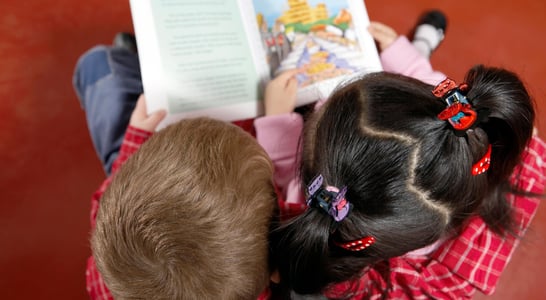
Read to Your Child Day is a lively celebration that encourages parents to spend quality time reading to their children.
This special day underscores the joy and importance of sharing stories. Reading together not only enhances children’s language skills but also strengthens the bond between parents and children.
It’s a moment for families to connect, away from the distractions of daily life, and enjoy the magical worlds within books.
How to Celebrate Read to Your Child Day
Create a Cozy Reading Nook
Transform a corner of the home into a magical reading nook. Pile it with soft cushions, fluffy blankets, and a variety of colorful books.
This cozy spot will beckon kids to dive into stories and snuggle up for some quality reading time.
Dress Up as Book Characters
Turn reading time into a costume party! Pick a favorite story and dress up as the characters. Act out scenes while reading, adding a dash of drama to each page turn. This playful twist makes reading even more engaging.
Organize a Book Scavenger Hunt
Hide books around the house and create a scavenger hunt. Each found book leads to a new adventure as kids and parents read together. This interactive game brings excitement to discovering new stories.
Host a Story Time Picnic
Combine the joy of reading with the fun of a picnic. Spread out a blanket in the living room or backyard, pack some snacks, and enjoy reading aloud in this delightful setting. This mix of food and stories makes for a memorable celebration.
Visit a Local Library or Bookstore
Head to a nearby library or bookstore for special storytime events. Let kids explore and pick out new books to read together. This outing encourages a love for books and introduces children to the wonderful world of libraries.
Why Celebrate Read to Your Child Day?
The day is celebrated for several key reasons. Firstly, reading helps children develop their cognitive skills and improves their vocabulary. It also exposes them to new ideas and cultures, expanding their understanding of the world.
Furthermore, these shared reading experiences can foster emotional awareness and empathy by allowing kids to explore different emotions and scenarios in a safe environment.
Additionally, Read to Your Child Day is an excellent opportunity to establish a lifelong love of reading. Children are more likely to see reading as an enjoyable and rewarding part of their lives by making reading a fun and regular activity.
This habit not only boosts their academic performance but also provides them with a valuable tool for relaxation and stress relief.
Celebrating this day highlights the simple yet profound impact that regular reading sessions can have on a child’s development.
History of Read to Your Child Day
Read to Your Child Day is recognized and celebrated for its emphasis on the importance of reading aloud to children. This special day, observed annually, was established to highlight the numerous benefits of reading together, such as boosting literacy, enhancing vocabulary, and strengthening the parent-child bond.
The idea behind Read to Your Child Day is to encourage parents to make reading a daily habit. Studies have shown that children who are read to regularly have a significant advantage in language development and cognitive skills.
Reading together also promotes a love for books and lifelong learning. This day serves as a reminder of the powerful impact that a simple, shared reading session can have on a child’s development and future success.
Read to Your Child Day continues to gain recognition and support from educators, parents, and literacy advocates.
By celebrating this day, families can take a moment to appreciate the joy and educational benefits of reading, creating lasting memories, and fostering a love for books in children from a young age.
Facts About Reading to Your Child
-
Reading Aloud Can Reshape a Child’s Brain
Neuroimaging from the large U.S. Adolescent Brain Cognitive Development (ABCD) study found that children who regularly read for pleasure between about ages 2 and 9 had larger brain volumes in regions involved in cognitive control, language, and mental health, and in adolescence, they showed better memory, speech, and academic performance along with fewer attention and behavioral problems.
-
A “Million-Word” Head Start by Kindergarten
Researchers at Ohio State University estimated that a child who is read about five picture books a day before kindergarten will have heard roughly 1.4 million more words than a peer who is never read to, giving them a substantial advantage in vocabulary, comprehension, and school readiness.
-
Reading Aloud Changes Outcomes Even in Poverty
A cluster-randomized trial in low‑income communities in Brazil showed that when parents were coached to read aloud and interact with their young children around books, children had significantly better language, early literacy, and cognitive scores by preschool age compared with families receiving standard care.
-
Interactive “Dialogic Reading” Turbocharges Language Growth
Studies of dialogic reading—where adults ask questions, prompt predictions, and encourage children to retell parts of the story—have found that this interactive style can accelerate preschoolers’ expressive language development by the equivalent of several months compared with simply reading a book straight through.
-
Early Shared Reading Supports Lifelong Mental Wellbeing
Analysis of more than 10,000 U.S. adolescents found that those who had begun reading for pleasure earlier in childhood not only performed better on cognitive tests, but also reported fewer symptoms of depression and stress and engaged in less screen time than peers who started reading later or rarely read.
-
The Global Cost of Children Missing Out on Reading
The World Bank reports that about 70% of 10‑year‑olds in low‑ and middle‑income countries cannot read and understand a simple story, a “learning poverty” crisis that sharply limits their future education and earnings—but also finds that evidence‑based early reading instruction and home literacy practices can dramatically reverse this trend.
-
Owning Books at Home Is a Powerful Equalizer
Global literacy reports estimate that around 61% of children from low‑income families do not own a single book, yet international studies consistently show that simply having books in the home is associated with higher reading achievement and better educational outcomes, independent of parents’ income or education level.
Read to Your Child Day FAQs
What age should parents start reading aloud to a child?
Pediatric and literacy experts recommend reading aloud from birth because even newborns benefit from hearing language patterns, rhythms, and a caregiver’s voice.
Early shared reading supports brain development and early language skills, and the American Academy of Pediatrics encourages parents to make reading part of daily routines starting in infancy. [1]
How much daily reading time makes a difference for young children?
Studies suggest that 15–20 minutes of shared reading most days of the week can meaningfully boost vocabulary, school readiness, and later academic performance.
One analysis found that children whose parents read five books a day entered kindergarten having heard about 1.4 million more words than peers who were never read to. [2]
Does it still help if a parent is not a confident or fluent reader?
Yes. Children benefit from the shared attention, conversation, and bonding even if the adult reads slowly, uses simple books, or tells the story in their own words.
Programs such as Reach Out and Read note that talking about pictures, asking questions, and sharing stories from memory all promote language and literacy development, regardless of the caregiver’s reading level. [3]
What is dialogic (interactive) reading, and why do experts recommend it?
Dialogic reading is an approach where the adult and child actively talk about the book instead of the adult just reading straight through.
Caregivers ask open-ended questions, relate the story to the child’s life, explain new words, and encourage the child to retell parts of the story. Research shows this interactive style can produce larger gains in children’s vocabulary and expressive language than passive listening alone. [4]
How does reading aloud affect a child’s mental health and behavior over time?
In Long-term studies have linked early reading for pleasure and regular shared reading with better cognitive performance, fewer behavioral problems, and improved mental well‑being in adolescence.
Children who are read to frequently often show stronger attention skills, better emotional regulation, and lower stress levels, partly because reading time provides a predictable, calming routine with a trusted adult. [5]
Does it matter if the books are printed, digital, or audio?
Print, digital, and audiobooks can all support literacy, but young children usually gain more language and interaction from print or shared screen reading with an adult.
Studies summarized by literacy organizations emphasize that what matters most is the quality of engagement—talking together about the story, asking questions, and connecting it to real life—rather than the format alone. [6]
How does early reading at home relate to global literacy challenges?
Global agencies such as UNESCO and UNICEF report that hundreds of millions of young people still lack basic reading skills, and that early exposure to books and language at home is a key protective factor.
Children who grow up with shared reading and access to books are more likely to succeed in school, break cycles of poverty, and participate fully in society, which is why literacy is recognized as a fundamental human right. [7]
Why do some parents create personalized books for their children?
Custom stories featuring a child’s name and photos foster deeper emotional connections and encourage more engagement with reading.
How did Dr. Seuss revolutionize children’s literature?
Dr. Seuss’s books introduced rhyme, humor, and imagination. His simple language made reading fun and accessible for early readers.
What are some surprising health benefits of reading aloud to children?
Reading together can lower stress for both parent and child. It also improves a child’s focus and memory over time.
Also on ...
View all holidays
National Organ Donor Day
The selfless act of giving the gift of life can bring hope and healing to those in need. It's a remarkable legacy that transcends time and spreads compassion.



National Cream-Filled Chocolates Day
Indulge in the luxurious taste of smooth and rich chocolate with a delightful surprise waiting for you inside every bite.
We think you may also like...

Take Your Child To The Library Day
Introducing your little one to shelves of adventures, where curious minds and colorful pages meet in the cozy haven of books.
National Young Readers Week
Fostering young minds' love for stories and expanding horizons through the magic of books; opening doors to imagination.

Children’s Book Week
Spark the joy of exploration in young minds through tales that open doors to realms of endless fascination and growth.