Save the Florida Panther Day
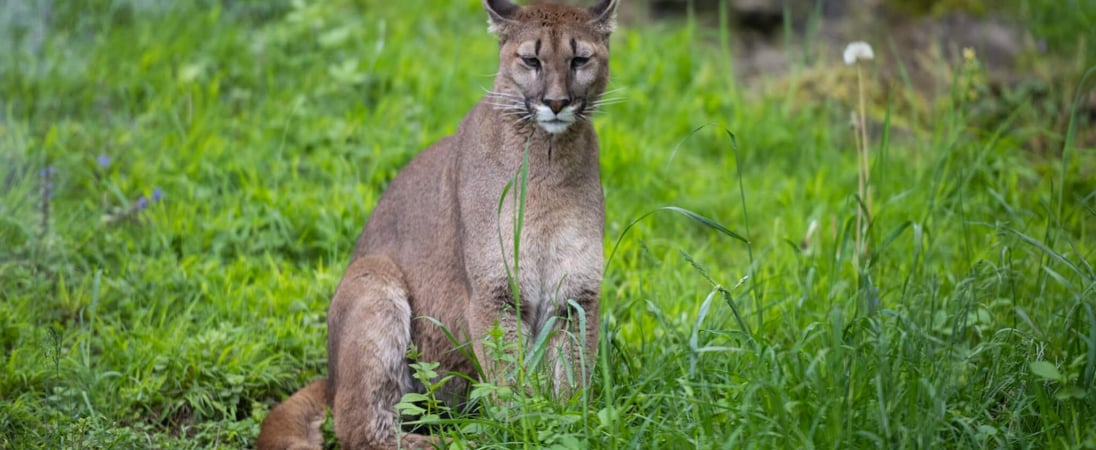
Save the Florida Panther Day is an annual observance that spotlights one of North America’s most elusive big cats and the very real challenges it faces.
The Florida panther is a population of cougar that survives in a narrow slice of wild country, where forests, swamps, and open prairies still knit together enough cover and prey to support a wide-ranging predator.
Even so, the panther’s world is small compared to what it once was, and the pressures of modern life press in from every direction.
Only around 200 panthers remain in Florida’s swamps and forests, where urban expansion continually chips away at their natural territory. Because panthers need large home ranges, even “a little” habitat loss can become a big problem.
A single adult male may roam over an area that spans hundreds of square miles, and females need secure territory with dense cover to raise kittens. When those landscapes get carved into smaller and smaller pieces, panthers are forced into risky travel patterns, often pushing them closer to roads and human activity.
Conservationists work tirelessly to protect these cats, highlighting the urgency of connecting fragmented landscapes. Protection is not only about fencing off a preserve and calling it a day. It is about keeping a living network of habitat intact, including the in-between spaces that allow panthers to move, hunt, and disperse.
The panther is famously hard to spot, but its needs are surprisingly easy to summarize: space, safety, and a healthy web of life around it.
Expanding safe passages across roads and establishing wildlife corridors gives panthers room to roam safely, helping them find mates, access food, and increase genetic diversity, which is essential for their long-term survival.
Genetic diversity may sound like an abstract, lab-coat concern, but it becomes visible in the real world when a population is isolated for too long. In small, cut-off groups, related animals are more likely to breed, and that can increase the chance of inherited health problems.
Creating connections between habitat patches gives panthers a fighting chance to mix, spread out, and maintain the resilience that comes from a broader gene pool.
The day underscores how preserving land is vital, not only for panthers but for Florida’s entire ecosystem, as panthers maintain balance by managing prey populations.
As a top predator, the panther influences where prey animals move and feed, which can affect vegetation and the smaller creatures that depend on it.
Protecting panther habitat often protects water quality, flood buffering wetlands, and nesting and foraging areas for countless other species. In that way, saving the panther is less like rescuing a single charismatic animal and more like keeping a whole natural system functioning.
Advocates encourage people to spread the word, support habitat protection, and, where possible, contribute to conservation programs. This collective effort offers hope that Florida’s panthers may one day thrive across a broader landscape again.
Save the Florida Panther Day is a reminder that recovery is possible, but it depends on steady public attention, smart planning, and the unglamorous work of protecting land and reducing preventable deaths.
How to Celebrate Save the Florida Panther Day
Here are some creative ideas for joining in the conservation spirit and showing appreciation for these beautiful creatures!
Join a Wildlife Tour or Virtual Safari
Explore the world of the Florida panther by joining a guided tour through its natural habitat. Because panthers are solitary and secretive, a tour is less about “guaranteed sightings” and more about learning to read the landscape like a wildlife biologist might.
Guides often point out the kinds of places panthers prefer, such as dense cover for daytime resting, travel routes along natural edges, and areas where prey animals gather. Along the way, participants can learn how scientists monitor panthers using remote cameras, track data, and reports of tracks or scat.
For those who can’t make it to Florida, many parks offer virtual tours that showcase the panther’s ecosystem. Virtual experiences can still be surprisingly immersive, especially when they focus on habitat.
Seeing a patchwork of wetlands, forested hammocks, and open prairie helps explain why a panther cannot simply “move to any forest” and be fine. These experiences provide a rare glimpse into the lives of these elusive animals and educate participants on the importance of protecting their home turf.
To make the experience more meaningful, viewers can take notes on the recurring themes: how much space a panther needs, why cover matters, and how roads divide habitat. Turning a tour into a mini learning project, even a casual one, makes it easier to share accurate information later.
Spread the Word on Social Media
Social media can be a powerful tool for wildlife awareness! Share facts, photos, or even a short video about Florida panthers.
The most useful posts are the ones that move past “cute cat, please save” and explain one or two concrete issues. For example, a post could highlight how panthers rely on connected habitat to find mates, or why wildlife underpasses and fencing near busy roads can reduce collisions.
Use hashtags like #SaveThePanther to amplify your message and help inform friends and followers about the panther’s endangered status. Every share helps more people understand the importance of preserving these big cats.
It also helps to use clear language that avoids common mix-ups. A Florida panther is not a separate species from other cougars, but it is a distinct, endangered population with unique conservation needs. Sharing that nuance helps the cause because it keeps discussions grounded in biology and management reality.
Another simple idea is to “myth-bust” respectfully. Panthers generally avoid people. When sightings are shared with panic, it can lead to fear-based responses rather than sensible coexistence.
A calm message that emphasizes distance, respect, and reporting to appropriate wildlife agencies helps build a culture where living near wildlife does not automatically mean conflict.
Support Wildlife Crossings
Many panthers are injured or killed by vehicles while crossing roads. Roads can slice through habitat like a permanent, fast-moving barrier, especially in places where development squeezes panthers into narrower strips of land.
Young male panthers searching for their own territory are particularly likely to cross roads, and that natural dispersal behavior can bring them into danger.
By supporting initiatives for more wildlife crossings, people can actively help reduce these accidents. Crossings can include underpasses, culverts designed with wildlife in mind, and overpasses in some landscapes.
What makes these structures work is not only the crossing itself, but also the guidance features that encourage animals to use them, such as fencing that funnels wildlife toward safe routes. When properly designed and maintained, crossings can benefit far more than panthers, including deer, bobcats, and smaller animals that also face road hazards.
Check if local conservation groups accept donations or host petitions to increase safe crossings in panther habitats. Those who want to be especially helpful can learn the basics of what effective crossings require: placement in known travel corridors, enough open space to feel safe, and monitoring to confirm use.
Supporting “the right crossing in the right place” is the difference between a feel-good gesture and a solution that actually saves animals.
Attend a Local Event
Many zoos, wildlife centers, and conservation organizations host special events for Save the Florida Panther Day. These gatherings often include activities like educational talks, interactive exhibits, and even fun crafts for kids. It’s a lively way for families and friends to learn more about the Florida panther while enjoying a day out.
A well-run event can also offer something that internet posts cannot: context. Visitors might learn how panther habitat includes a mosaic of ecosystems, from swamp forests and cypress stands to upland pinelands and thick palmetto.
They may also hear about how panthers hunt, what they eat, and why they need dense cover for stalking and for resting in the heat of the day. Understanding those details makes the conservation needs feel less abstract.
If an event includes a talk by a wildlife professional, attendees can listen for practical takeaways: how land-use decisions affect wildlife movement, what a “wildlife corridor” means in real terms, and how researchers estimate population size for an animal that is rarely seen.
Bringing a notebook, snapping photos of educational displays, and sharing what was learned afterward helps the impact travel beyond the event itself.
Volunteer or Donate to Conservation Programs
If you’re ready to get hands-on, some groups need volunteers to assist with conservation tasks. Activities might include restoring habitats, collecting data, or helping raise awareness in communities.
Habitat restoration can be surprisingly physical, such as removing invasive plants, planting native vegetation, or helping maintain natural areas so they continue to function as wildlife refuges.
Even when volunteers are not directly “helping panthers,” they may be improving the broader environment panthers depend on, including prey habitat and cover for travel.
For those who prefer to contribute financially, donations to reputable wildlife foundations go a long way in supporting panther protection projects. Effective programs often include a mix of research, land protection, and public outreach.
Research can mean radio-collar tracking, genetic analysis, health monitoring, and remote camera studies that reveal where panthers move and where conflicts arise.
Land protection can involve acquiring key parcels, working with landowners on conservation agreements, or supporting management that keeps habitat suitable. Outreach might include teaching residents how to reduce attractants for wildlife, drive cautiously in panther areas, and report sightings responsibly.
When choosing where to donate or volunteer, it helps to look for organizations that can explain what success looks like. That might be improved connectivity between habitat blocks, increased documented use of wildlife crossings, or better survival rates for kittens. Clear goals and transparent programs are a strong sign that support will translate into real-world progress.
History of Save the Florida Panther Day
Save the Florida Panther Day began as a formal push to protect Florida’s most endangered big cat. The day was established in 2016 by the Florida legislature, designating the third Saturday of March for panther awareness and conservation.
Recognizing that these unique animals were losing habitat and facing high death rates from vehicle collisions, lawmakers sought a special day to rally public support. This day now serves as a reminder of ongoing challenges and the need for habitat protection.
The Florida Fish and Wildlife Conservation Commission and other local organizations were instrumental in launching this day. Their goal was to inspire action and inform the public about the risks panthers face, including habitat loss and limited genetic diversity.
With fewer than 200 panthers estimated in the wild, these groups focus on educating people about the importance of habitat corridors and safer roadway crossings for panthers to roam safely.
To appreciate why an official awareness day matters, it helps to understand how close the Florida panther came to disappearing. The population reached a perilous low point in the late 20th century, when only a few dozen animals were thought to remain. That kind of bottleneck does not only shrink numbers; it also shrinks genetic variety.
Over time, researchers documented signs consistent with inbreeding in small, isolated carnivore populations. In response, wildlife managers carried out a widely discussed “genetic rescue” effort by introducing female cougars from a related population to increase diversity. The long-term goal was not to change what makes the Florida panther special, but to give it the genetic breathing room needed to persist.
That intervention, along with protections for habitat and focused management, helped the population increase. Even so, “more panthers” does not automatically mean “problem solved.”
The species still faces a basic arithmetic issue: panthers need large, connected landscapes, and those landscapes are constantly pressured by development, road expansion, and shifts in how land is used. A population can rebound and still be vulnerable if it remains concentrated in one region and must repeatedly cross dangerous roads to survive.
Save the Florida Panther Day also highlights the panther’s role as an umbrella for conservation. Protecting the land required by a wide-ranging predator tends to protect many other species that share the same ecosystems.
Forested wetlands and uplands, for instance, are not just scenic. They are functional, living infrastructure that stores water, filters runoff, and provides resilience during extreme weather. In a practical sense, panther conservation often overlaps with broader environmental goals: keeping wild places intact and connected so they can continue doing their jobs.
This unique observance not only raises awareness but fosters a sense of pride and responsibility. Through volunteer opportunities, educational programs, and community outreach, Save the Florida Panther Day keeps the conservation conversation going year after year.
It encourages people to think beyond a single animal and toward a bigger idea: that coexistence is a design challenge humans can meet, using smart planning, protected habitat, and safer ways for wildlife to move through the landscape.
Saving the Florida Panther: How Science, Space, and Safety Are Protecting an Icon
Once on the brink of extinction, the Florida panther has become a powerful example of how targeted conservation can change the future of a species.
These facts highlight the science, space, and survival challenges behind the recovery effort—from genetic rescue and vast habitat needs to the ongoing threat of vehicle collisions that still shapes the panther’s fight for survival.
-
Genetic Rescue Brought New Blood into a Dying Population
By the early 1990s, biologists estimated only about 20 to 30 adult Florida panthers remained, many showing inbreeding problems such as heart defects, kinked tails, and low-quality sperm.
In 1995, wildlife managers introduced eight female Texas pumas into South Florida to increase genetic diversity.
Five of those females successfully bred, producing at least 20 kittens and helping boost the population to roughly 120 panthers within about a decade, while measurably improving overall health and genetic diversity in the wild population.
-
A Single Male Panther Can Rule Hundreds of Square Miles
Florida panthers require some of the largest home ranges of any terrestrial mammal in the eastern United States.
Research summarized by the Florida Museum and conservation groups shows that an adult male may use up to 200 to 250 square miles, while females typically range over 70 to 200 square miles.
These huge territories mean even a modest increase in panther numbers demands vast stretches of connected habitat to avoid conflicts and support enough prey.
-
Roads Are the Leading Killer of Florida Panthers
Statewide mortality records maintained by the Florida Fish and Wildlife Conservation Commission and long-term studies show that vehicle strikes have been the number one documented cause of death for Florida panthers for decades.
A classic analysis of 1979–1991 data found that highway collisions accounted for about 46.9 percent of known mortalities, and recent figures remain similar or worse, with vehicle collisions responsible for the majority of the 30‑plus recorded deaths in several recent years.
-
Wildlife Underpasses Let Panthers Cross Highways Unseen
Florida has quietly become a testing ground for road designs that work for big cats.
The state transportation department and wildlife agency report that around 60 underpasses and bridges have been modified or built specifically for Florida panthers and other wildlife.
These structures, paired with roadside fencing, are concentrated along deadly stretches such as sections of U.S. 41 and I‑75 and have been documented on camera trapping studies as reducing collisions where they are properly installed and maintained.
-
An 18‑Million‑Acre Corridor Is Being Assembled Around the Panther
The Florida Wildlife Corridor is a patchwork vision of nearly 18 million acres of connected lands and waters that includes public conservation areas and working ranches.
Mapped and popularized by scientists and conservation groups, it outlines the remaining routes that wide‑ranging species like the Florida panther can use to move north and west across the peninsula.
The Florida Wildlife Corridor Act of 2021 committed billions of dollars to securing key pieces of this network before development closes those last natural bottlenecks.
-
Legal Protection Arrived Before the Main U.S. Endangered Species Act
Florida panthers received full protection under state law in 1958, when wildlife officials removed them from the list of game animals and ended legal hunting.
Federally, the subspecies was listed as endangered in 1967 under the Endangered Species Preservation Act, six years before the modern Endangered Species Act was passed. T
hese early protections, later strengthened by a 1978 Florida law making it a felony to kill a panther, laid the legal groundwork for today’s recovery and habitat‑protection efforts.
-
Apex Predator and Keystone Species in One Elusive Cat
Ecologists classify the Florida panther as both an apex predator and a keystone species in South Florida’s pinelands, cypress swamps, and prairies.
By preying on animals such as white‑tailed deer, wild hogs, raccoons, and other medium‑sized mammals, panthers keep herbivore and mesopredator numbers in check.
Educational materials from the University of Florida partners note that this predation pressure helps prevent overgrazing, protects native vegetation, and creates cascading benefits throughout the food web, from plants to scavengers.
Save the Florida Panther Day FAQs
How is a Florida panther different from other mountain lions or cougars?
The Florida panther is a subspecies of cougar that has adapted to life in the hot, humid, lowland habitats of the southeastern United States.
It tends to be slightly smaller and leaner than cougars in western North America and often shows traits like a crook at the end of the tail and a whorl of fur in the mid‑back, which are associated with its history of inbreeding.
Genetically, it represents the last remaining breeding population of cougar in the eastern United States, which is why it receives special protection and focused conservation efforts. [1]
Why do Florida panthers need such large territories?
Florida panthers are solitary, wide‑ranging predators that need extensive areas to find enough prey, locate mates, and avoid conflict with other panthers.
Adult males may use 200 square miles or more, while females typically occupy smaller but still large home ranges.
When habitat is broken into small, isolated patches by roads and development, it becomes harder for panthers to move safely between these areas, which limits breeding, reduces genetic diversity, and increases the risk of deadly territorial clashes. [2]
What role do Florida panthers play in Florida’s ecosystems?
Florida panthers are apex predators that help regulate populations of animals such as white‑tailed deer, wild hogs, and smaller mammals. B
y keeping herbivore numbers in check and influencing where and how long prey species feed, they help prevent overgrazing, support healthier plant communities, and indirectly benefit many other species that share the same habitats.
Because each panther’s territory is so large, protecting enough land for them also safeguards a wide range of other wildlife and water resources.
What are the biggest threats to Florida panthers today?
The main threats to Florida panthers include habitat loss and fragmentation from urban and agricultural development, collisions with vehicles, and the long‑term effects of having a small, isolated population.
As more people move into southwest Florida, roads and housing cut across remaining wild areas, which increases the chance of panthers being hit by cars and makes it harder for them to disperse and find mates.
Although a genetic “rescue” program in the 1990s improved their health, biologists still consider limited habitat and connectivity the key obstacles to full recovery. [3]
How do wildlife crossings and corridors actually help Florida panthers?
Wildlife crossings, such as underpasses with fencing along highways, guide panthers and other animals to safe routes beneath busy roads, which reduces vehicle collisions.
Larger habitat corridors connect separate blocks of forest, wetlands, and ranchland so that panthers can move between them to hunt, breed, and establish new territories.
Conservation groups and agencies view these connected landscapes as essential for maintaining gene flow and for allowing the population to expand beyond its current strongholds in southwest Florida.
How common are Florida panther encounters with people, and how should someone respond if they see one?
Encounters with Florida panthers are rare, and confirmed attacks on people are extremely uncommon because the cats generally avoid humans. Most sightings occur at a distance or on trail cameras.
If a person does see a panther, experts advise staying calm, not running, giving the animal plenty of space and an escape route, keeping children close, and appearing larger by standing tall and raising the arms.
In the unlikely event of aggressive behavior, people are advised to make loud noise, throw objects, and, if necessary, fight back, then report the sighting to state wildlife authorities. [4]
What can Florida residents do to protect pets and livestock in panther country without harming the cats?
Wildlife agencies recommend keeping small pets indoors or in sturdy, roofed enclosures from dusk to dawn, since panthers are most active at night.
Livestock such as goats or calves can be protected with predator‑resistant pens, secure fencing, motion‑activated lighting, and by removing attractants like unsecured garbage or outdoor pet food that draw in prey species.
These measures reduce the chance of conflicts while allowing panthers to continue using nearby natural areas, and they are encouraged over any form of feeding, harassment, or lethal control, which are prohibited for this federally protected animal. [5]
Also on ...
View all holidays
National Single Parent Day
Raising kids solo can be tough, but single parents are superheroes who manage it all. Hats off to their resilience, love, and dedication!

World Down Syndrome Day
Embrace the resilience and unique beauty that shines brightly within individuals who possess an extra chromosome, fostering compassion and understanding.

World Poetry Day
With words as paint and emotions as the canvas, verses come alive, painting stories of heart and soul, in a symphony of expression.

We think you may also like...
World Honey Bee Day
These little creatures are nature's buzzworthy superstars! They're responsible for pollinating a third of our food supply and creating delicious honey.
World Chimpanzee Day
Explore the intricate lives of our primate relatives, witnessing their intelligence, social bonds, and fascinating behaviors in the wild.