Often called the most important meal of the day, breakfast gets its name from the simple idea of breaking the natural fast (the time of not eating) that happens overnight. It can be light or hearty, sweet or savory, quick or lingering.
Different cultures also have wildly different opinions about what “counts” as breakfast, and that variety is part of the fun. One thing many people agree on, though: breakfast is delicious, and it can set the tone for everything that follows.
Have some fun and enjoy some culinary experiences by getting involved with and celebrating The Big Breakfast Day, a cheerful excuse to slow down, cook something satisfying, and share it with others.
How to Celebrate The Big Breakfast Day
Make it a priority to slow down and enjoy the first meal of the day by celebrating and being intentional about The Big Breakfast Day. A “big breakfast” does not have to mean expensive ingredients or restaurant-level effort.
It can simply mean more attention than usual, a more complete plate, and a little extra time at the table. For households where mornings tend to be rushed, this day can also be a gentle reset: less grabbing and going, more sitting and savoring.
Check out some of these ideas for the day to get started:
Have a Big Breakfast
Get ready a little earlier, stock the fridge, and set the alarm, because The Big Breakfast Day is the perfect excuse to make breakfast feel like a real event. The idea is simple: enjoy the kind of breakfast your household truly loves, without rushing through it.
A “big” breakfast doesn’t have to mean the same thing for everyone. It might be:
- Big in portion, with a heartier plate than usual
- Big in variety, offering several small dishes like a breakfast sampler
- Big in effort, featuring more than one cooked item instead of something grabbed on the way out
- Big in meaning, centered on tradition, sharing, or a favorite family recipe
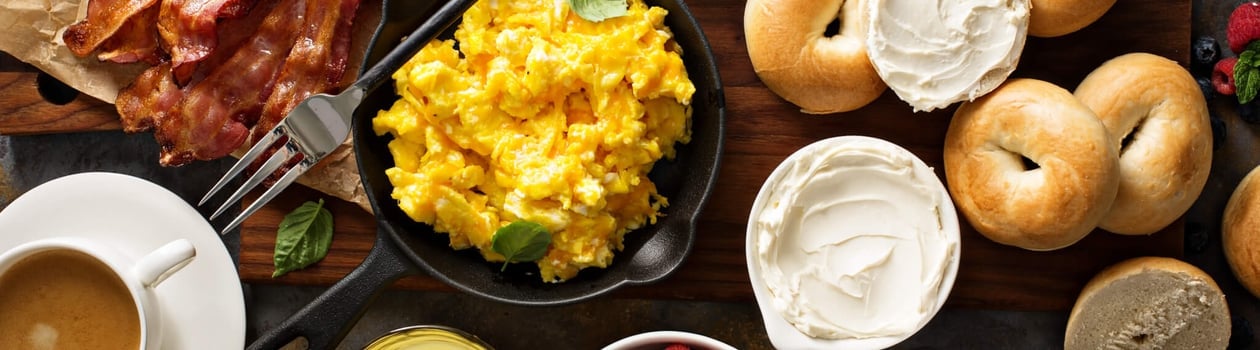
For many people, a classic spread does the job perfectly. Pancakes or waffles with butter and syrup, scrambled eggs or omelets, crispy potatoes, and fresh fruit feel comforting and familiar.
Muffins, biscuits, or toast bring that cozy bakery atmosphere without much fuss. If feeding several people, a breakfast casserole is a smart option — it can be prepared the night before and baked in the morning, saving time and stress.
This day is also a great excuse to think beyond standard eggs and toast. A savory skillet with vegetables, beans, and rice can be deeply satisfying. Yogurt paired with granola, nuts, and fresh or dried fruit feels generous without being too heavy.
Even oatmeal can become a “big” breakfast when topped with toasted seeds, nut butter, cinnamon, apples, berries, or a drizzle of honey.
For those who want something truly hearty, a full English–style breakfast is classic inspiration, with eggs, sausage, tomatoes, mushrooms, toast, and beans. It’s designed for slow mornings and lingering at the table. Many cultures have their own version of this idea: breakfast gets bigger when there’s time, company, and a relaxed pace.
A few simple strategies make everything easier:
- Prepare ahead by chopping fruit, shredding potatoes, or setting the table early
- Cook in batches and keep food warm in a low oven
- Give options with build-your-own oatmeal, toast, or breakfast tacos
- Keep it communal by placing dishes in the center and letting everyone serve themselves
Most importantly, try to enjoy the meal together. Even a short shared breakfast can feel special when it’s unhurried.
Watch The Big Breakfast Show
The day also shares its name with a lively British television show that aired for over a decade. The Big Breakfast was a weekday morning program known for its energetic, playful style. Broadcast live from a house rather than a traditional studio, it mixed news, interviews, and entertainment with a deliberately chaotic, informal feel.
Running from the early 1990s into the early 2000s, the show featured many presenters and recurring segments, often staging interviews in relaxed, unconventional ways. Its charm came from treating mornings as something fun and unpredictable, rather than overly polished.
To mark The Big Breakfast Day, watching old clips or episodes can add to the mood. A themed breakfast works well with the show’s spirit: bright fruit, toast with multiple toppings, pancakes with a topping bar, and plenty of coffee or tea.
Even without the show, the idea still works. Put something light on the screen, make a generous breakfast, and let the morning feel like an occasion — not just another task to get through.
The Big Breakfast Day Timeline
Early Attitudes Toward Morning Meals
Many Romans viewed eating early in the day as a sign of weakness; most citizens ate one main meal later, so a distinct breakfast was rare outside of children, the elderly, and the sick.
Breakfast Spreads Among European Workers
By the early modern period, breakfast became more common in Europe, especially for laborers and travelers who needed energy before a day’s work, while elites often still skipped it.
Industrial Revolution Shapes the “Big” Breakfast
Factory schedules and long shifts helped turn breakfast into a substantial morning meal for workers, giving rise to hearty plates built around meat, eggs, and bread.
Birth of Breakfast Cereals
Health reformers like John Harvey Kellogg developed grain-based cereals such as corn flakes as lighter, convenient alternatives to meat-heavy breakfasts for increasingly sedentary lifestyles.
Rise of the Full English Breakfast
In Britain, the full English developed into a lavish morning spread of eggs, bacon, sausages, beans, and more, rooted in working-class and boardinghouse traditions of a filling first meal.
Heavy Breakfast Promoted by Public Relations
Publicist Edward Bernays ran a Beech-Nut campaign urging Americans to eat a hearty protein-rich breakfast, helping normalize big morning meals of eggs, bacon, and other rich foods.
Cereal Marketing and “Most Important Meal” Message
Cereal makers and food companies aggressively advertised breakfast, popularizing the slogan that it is “the most important meal of the day” and cementing daily breakfast as a health ideal.
History of The Big Breakfast Day
The Big Breakfast Day serves as a gentle reminder to slow down and enjoy the start of the day instead of rushing through it. Mornings do not have to feel hurried, and this day encourages taking a moment to appreciate food, company, and a calmer pace right from the beginning.
Created in 2020 and credited to Jeffrey Arnold, The Big Breakfast Day invites people to move beyond the familiar “coffee only” habit and make breakfast more complete. The idea is intentionally simple: make breakfast bigger than usual and, when possible, share it with others.
That small shift supports things many people wish they had more of—better routines, meaningful connections, and a more relaxed start to the day.
The day also reflects how breakfast has changed over time. In the past, breakfast was closely tied to the physical demands of daily work, providing energy for long hours at home, on farms, or in labor-intensive jobs.
As lifestyles sped up and convenience foods became more common, breakfast often became lighter, rushed, or skipped altogether. The Big Breakfast Day offers a warm counterbalance to that trend, not through pressure or guilt, but through the appeal of a comforting, satisfying meal.
The meaning of “break fast” is built right into the name. After hours without food, the body benefits from hydration and energy, and many people feel more balanced when they start the day with a nourishing breakfast. At the same time, the day respects individual needs.
Some people prefer a light meal, others enjoy something hearty. The focus is not on eating more than feels comfortable, but on making breakfast intentional, enjoyable, and nourishing in whatever form works best.
Sharing is another key theme. Breakfast is one of the easiest meals to enjoy together because it does not require elaborate planning or perfection. A hot drink, something freshly cooked, and a place to sit are often enough. That relaxed, low-pressure atmosphere makes breakfast an easy way to connect, whether with family, roommates, or neighbors.
The day is a perfect excuse to show appreciation for loved ones by preparing something warm and inviting. An early start, the smell of coffee brewing, bacon sizzling, or oranges being squeezed for juice can instantly make the morning feel special.
Extras like a breakfast casserole, cinnamon-baked fruit, or a stack of pancakes with syrup add a sense of celebration. Even small touches—warming the plates, adding a garnish, or setting out jam and butter—can elevate the experience.
A welcoming big breakfast also considers everyone at the table. Offering a range of options makes it easier to suit different tastes and needs:
- Proteins such as eggs, yogurt, beans, nut butter, or tofu
- Hearty carbohydrates like whole-grain toast, oats, potatoes, tortillas, or rice
- Fruits and vegetables, including fresh fruit, greens, tomatoes, mushrooms, or peppers
- Drink choices beyond coffee and tea, such as water, milk, or juice
This kind of variety keeps breakfast generous without making it complicated.
For some households, The Big Breakfast Day may become a tradition worth repeating. It could happen monthly, weekly, or whenever time allows.
Each one can look different—pancakes one time, savory breakfast tacos another, or a lighter spread of fruit, yogurt, and pastries. There is no perfect menu to aim for. What matters is creating space for a breakfast that feels unrushed, generous, and shared.
The Big Breakfast Day: Facts That Put Breakfast in Focus
Breakfast is often treated as optional, but research and history suggest it plays a meaningful role in health, habits, and daily rhythm.
From links to metabolic health and appetite control to its impact on children’s routines and even the origin of the word itself, these facts highlight why the first meal of the day continues to matter — and why making time for it can be more than just a pleasant tradition.
Breakfast Skipping Is Linked With Higher Cardiometabolic Risk
Large observational studies consistently find that people who regularly skip breakfast tend to have less favorable markers of cardiometabolic health, including higher body mass index, poorer blood lipid profiles, and higher blood sugar levels.
A 2023 cross‑sectional study in adults reported that those who frequently skipped breakfast had significantly higher odds of cardiometabolic abnormalities, while regular breakfast eaters showed more favorable weight and metabolic outcomes, even after adjusting for lifestyle factors.
Breakfast Can Improve Appetite Control Without Clear Weight‑Loss “Magic”
Controlled trials summarized in a 2018 systematic review show that adding breakfast often improves appetite control and satiety throughout the morning, leading participants to feel less hungry and more satisfied.
However, when researchers looked at body weight over time, they generally found neutral effects, suggesting that breakfast itself is not a guaranteed weight‑loss tool but can make it easier to regulate intake and avoid overeating later in the day.
Children Who Eat Breakfast Daily Tend To Have Healthier Weights
In a nationwide study of more than 7,700 Polish schoolchildren, those who ate breakfast every day had significantly lower odds of being overweight or obese compared with those who skipped the meal.
Daily breakfast consumption was also associated with more physical activity and other favorable lifestyle behaviors, indicating that a regular morning meal often goes hand in hand with a generally healthier routine.
“Breakfast” As A Word Is Surprisingly Recent
The English word “breakfast,” in the sense of breaking the overnight fast, only became common in the 15th century.
Earlier in Old English, the first meal of the day was more likely called “morgenmete,” meaning “morning meal,” while similar ideas existed in other European languages under different names, reflecting how the concept of a distinct early meal evolved with changing daily schedules and social norms.
Ancient Romans Started Their Day With Leftovers And Wine
In ancient Rome, the typical morning meal, known as ientaculum, was often made up of cold leftovers such as bread, cheese, olives, nuts, fruit, and bits of meat saved from the previous evening, sometimes accompanied by diluted wine or a honeyed wine drink called mulsum.
This light but practical “big breakfast” reflected a culture where the main hot meal of the day came later, and mornings were fueled by whatever staples were on hand.
The Full English Breakfast Grew Out Of Victorian Hospitality Ideals
What many people now recognize as a full English breakfast, with eggs, bacon, sausages, fried bread, mushrooms, tomatoes, and more, took shape during the Victorian era as part of an upper‑ and middle‑class ideal of generous morning hospitality.
Country houses and later hotels served elaborate morning spreads to demonstrate respectability and abundance, and that tradition eventually filtered down into cafés and working‑class “greasy spoon” diners in the 20th century.
Cold Breakfast Cereal Was Invented As A Health Food
Modern cold breakfast cereals began in the late 19th century at health reform institutions in the United States, where figures like John Harvey Kellogg promoted grain‑based, minimally seasoned foods as a cure for digestive problems and supposed moral failings tied to rich, heavy breakfasts.
These early, bland flakes and granolas were marketed as scientific health foods before later being sweetened and commercialized into the convenience cereals that dominate many breakfast tables today.