

National Strawberry Day was created to celebrate those little red fruits bursting with sweet perfection! A gift from Chile in the 1700s, garden strawberry plants made their way to North America in the 1750s.
The plant is fairly easy to grow and doesn’t seem adverse to flourishing anywhere in the world.
If you’d like your own homegrown strawberries this summer, make sure your plant has full sun and sandy soil – and your dogs don’t eat off all the berries before you can pick a few.
How to Celebrate National Strawberry Day
If fresh strawberries aren’t at their best in your grocery store, don’t forget the many accessible forms you can always get your hands on. Frozen and dried strawberries can help in a pinch if you’re creating in the kitchen. Strawberry preserves, ice cream, yogurt, smoothies and milkshakes are nothing to shake a stick at either.
But if you are one of the lucky folks who stumbled on some great fresh strawberries, you can whip up a strawberry pie, shortcake or even a simple dish of strawberries and cream. We wish you a berry nice day, and strawberry fields forever.
One of the best ways to celebrate National Strawberry Day is by getting out there and picking your own strawberries. There is bound to be a strawberry field not too far from you where you can go and pick your own strawberries.
There are a few tips that you can use to ensure that this experience is as successful as possible. First of all, strawberries do not continue to ripen if picked too early, as is the case with pears or bananas, so make sure you only pick berries that are fully ripe.
Other tips include not washing your fruit until you are ready to eat, as washing can speed up spoilage. You should also avoid overfilling your container, although it can be very tempting. This is because strawberries can bruise easily, as they are very tender.
The best time to pick strawberries is on days that are cloudy and cool, yet we recommend picking strawberries no matter the weather.
Strawberries are also commonly used in scents and different beauty products, with strawberry lip balm being a prime example. So, why not treat yourself on National Strawberry Day?
Natural lip balms are becoming increasingly popular, as more and more people realise the benefits that are associated with choosing natural skincare products over commercial products that contain a cocktail of chemicals. However, with so many natural lip balms to choose from it can be difficult to narrow down your search.
The first thing you should consider is the scent of the lip balm. You can get strawberry lip balms, as well as strawberry combined with other flavors, such as strawberry and mint.
You do need to ensure that the fragrance comes from natural essential oils rather than synthetic fragrance oils though, so make sure to check the ingredient list. In fact, the ingredients are one of the most important aspects to consider when looking for natural lip balm.
Not only do you need to ensure they are 100 per cent natural, but that they offer many benefits to the lips. Beeswax, for example, is a must-have ingredient, as it helps to protect the lips, and it provides nourishment and locks in moisture.
The final decision is whether to go for a lip balm tube or tin. You will get more lip balm in the latter, but a lot of people prefer the hygienic nature and convenience of a tube.
Learn About National Strawberry Day
Strawberries! Fruit from the heart.
Anthony T.Hincks
National Strawberry Day gives us the perfect opportunity to enjoy these sweet, juicy berries. Not only are they delicious on their own, but they can be elevated to new heights when incorporated into other dishes. A lot of people use strawberries when making desserts.
There are many amazing treats to be made here. A simple option is to dip strawberries in melted chocolate; simple but divine!
As strawberry goes well with all types of chocolate – white, milk, and dark – it can be used in some many different desserts, from strawberry and white chocolate cheesecakes to strawberry and dark chocolate tortes! The options are endless.
There are also a lot of people that like to add strawberries to their salad. The fruit goes particularly well with balsamic vinegar and glaze.
An ingredient as versatile and delicious as this definitely deserves to be celebrated, and that is what National Strawberry Day is all about. Not only do strawberries taste amazing, but they also smell incredible as well.
This is why a lot of people opt for strawberry scents to make their homes smell incredible. There are also many different varieties of strawberries.
In fact, there are more than 600 varieties of this fruit. Pretty incredible, right? You may want to spend some time doing a bit of research into strawberries on this day.
You can learn more about the different strawberries that are available, as well as finding out about their growing conditions. Why not have a try at growing your very own strawberries? After all, they certainly taste more delicious when you have put your hard work into making them!
National Strawberry Day Timeline
Earliest Botanical Description of Strawberries
Roman writer Pliny the Elder records the wild strawberry Fragaria vesca, in his “Natural History,” noting its cultivation and medicinal reputation in ancient Rome.
Strawberries Enter Royal Gardens of France
King Charles V of France reportedly grew more than 1,200 strawberry plants in the royal gardens, marking one of the first documented large-scale European cultivations.
Chilean Strawberry Collected for Europe
French spy and botanist Amédée-François Frézier returns from Chile with plants of the large-fruited Fragaria chiloensis, introducing them to French gardens and setting the stage for modern hybrids.
Creation of the Modern Garden Strawberry
In Brittany, France, the North American Fragaria virginiana naturally hybridizes with the Chilean Fragaria chiloensis, producing Fragaria × ananassa, the large, sweet “garden strawberry” grown worldwide today.
Wilson Variety Spurs U.S. Strawberry Boom
American horticulturist James Wilson develops the hardy “Wilson” strawberry in Albany, New York, helping turn strawberries into a major commercial crop across the United States.
Strawberries and Cream Debut at Wimbledon
At the first Wimbledon Championship in London, spectators were served strawberries and cream, beginning a tradition that helps cement the fruit’s image as a symbol of summer and indulgence.
California Emerges as Strawberry Powerhouse
Advances in rail transport and coastal climate farming allowed California to expand production, and by the late 20th century, the state grew the majority of U.S. strawberries sold fresh.
https://www.strawberryplants.org/history-of-strawberries/
History of National Strawberry Day
National Strawberry Day has been celebrated in the grocery industry since 2013. There are a number of establishments that may have been celebrating this day for longer, however, it really started to gain attention in 2013, and since then it has been celebrated every year since.
You may find that a lot of supermarkets and grocery stores have special offers running on strawberries on this day. Plus, restaurants will often create a special strawberry dish and add it to the menu.
Strawberry Facts That Might Surprise You
Strawberries may seem simple and familiar, but their story is full of unexpected twists. From their unusual botanical status to accidental origins and surprising historical uses, these facts reveal how this beloved fruit became a global favorite in ways most people never imagine.
Strawberries Are Botanical “Impostors”
Despite their name, strawberries are not true berries in botanical terms. They are classified as aggregate accessory fruits because what people think of as seeds on the outside are actually tiny individual fruits called achenes, each containing a single seed. At the same time, the red flesh is swollen receptacle tissue rather than ovary tissue.
Modern Garden Strawberries Were Born From an 18th-Century Mistake
The familiar garden strawberry, Fragaria × ananassa, originated in 18th-century France when the Chilean strawberry (Fragaria chiloensis), brought from South America, accidentally hybridized with the North American Virginia strawberry (Fragaria virginiana). Their natural cross produced larger, more flavorful hybrids that quickly displaced earlier European species and became the global commercial standard.
California’s Coastline Turned Strawberries into a Year-Round Powerhouse Crop
Strawberries were once a highly seasonal luxury, but coastal California’s mild winters and cool summers helped transform them into a nearly year-round U.S. crop.
Modern production, concentrated in coastal counties such as Monterey, Santa Cruz, and Ventura, uses raised beds, plastic mulch, and drip irrigation to extend harvests and now supplies the majority of fresh strawberries eaten in the United States.
Ancient Romans Treated Strawberries as Medicine, Not Dessert
Long before strawberries topped shortcakes, ancient Roman writers praised the wild fruit as a remedy for a surprising list of ailments.
They recommended strawberries for fevers, inflammation, melancholy, and even bad breath, folding them into a broader tradition where many fruits and herbs were prescribed as part of humoral medicine rather than eaten simply for pleasure.
A Single Cup of Strawberries Delivers More Vitamin C Than an Orange
Nutritionally, strawberries are unusually rich in vitamin C: a one-cup serving of fresh berries provides about 89 milligrams, which is more than the amount in a medium orange, along with fiber, manganese, and folate.
Clinical and observational research links regular strawberry consumption with improved vascular function and modest reductions in LDL cholesterol and blood pressure, likely due to their vitamin C and polyphenol content.
The Iconic Red Color Comes from Anthocyanins That Act as Antioxidants
Strawberries owe their bright red color to anthocyanins, a group of water-soluble pigments that accumulate as the fruit ripens.
These compounds, including pelargonidin derivatives, do more than look pretty: laboratory and human studies suggest they have antioxidant and anti-inflammatory properties, contributing to the fruit’s positive associations with heart and metabolic health.
Strawberry Farming Raises Environmental Questions Alongside Sweet Rewards
Intensive strawberry production, particularly in plastic-mulched “plasticulture” systems, can cause fertilizer runoff, pesticide drift, soil erosion, and air pollution from soil fumigants.
Extension research shows that practices such as planting cover crops in row middles, increasing compost and organic matter, rotating fields, and preserving natural habitat around farms can significantly cut erosion and pest pressure while maintaining yields, pointing growers toward more sustainable berries.
National Strawberry Day FAQs



You may also like

National Strawberries and Cream Day
Celebrate National Strawberries and Cream Day by savoring fresh berries with rich cream, exploring classic desserts, and honoring this timeless summer treat.
- Canada
- United Kingdom
- United States

National Strawberry Shortcake Day
Celebrate National Strawberry Shortcake Day by savoring this classic dessert, discovering its sweet history, and enjoying fresh, juicy strawberries and cream.
- Canada
- United Kingdom
- United States
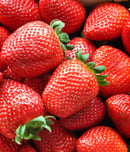
National Pick Strawberries Day
Juicy, red, and sweet, for many people strawberries are practically synonymous with summer. Get outside and pick your own fresh, tasty strawberries.
- Canada
- United Kingdom
- United States
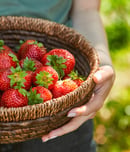
National California Strawberry Day
National California Strawberry Day celebrates the peak of strawberry season, highlighting this sweet, juicy fruit that California is famous for producing. Strawberries thrive in the Golden State’s warm, sunny climate, making them one of the first fruits of spring. From farmers’ markets to home gardens, strawberries mark the arrival of warmer...
- United States
National days and holidays on February 27 2027
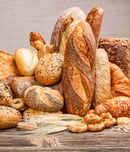
Real Bread Week
Real bread is a joy to behold! Made with natural ingredients and baked to perfection, each bite is a heavenly experience.
- United Kingdom

Ramadan
During this holy month, Muslims fast from sunrise to sunset, focusing on spiritual reflection and community. Ramadan is a time for self-improvement and bringing people together in celebration of faith.

Khachapuri Day
Khachapuri Day is a celebration dedicated to Georgia's beloved cheese-filled bread, which is a true symbol of the country’s rich culinary heritage. This special day represents Georgian identity and hospitality! How to Celebrate Khachapuri Day Celebrating Khachapuri Day is a deliciously fun way to enjoy Georgia’s iconic cheese-filled bread while embracing a...
- Georgia
- Russia
- United Kingdom
- and 1 more

Open That Bottle Night
After years of patiently waiting, it's time to indulge in the luxurious nectar that's been aging gracefully.
- United States
Seize Every Day
Join free for personalised recommendations, email reminders and exclusive guides. Never miss a day.