

Skip the Straw Day is a vibrant call to action encouraging everyone to rethink their use of plastic straws. This special day highlights the harmful effects of single-use plastics on our environment.
By participating, people take a simple yet powerful step towards reducing plastic waste. It’s easy for individuals to join a collective effort to promote cleaner oceans and healthier wildlife!
How to Celebrate Skip the Straw Day
Skip the Straw and Sip Differently
Encourage everyone to ditch plastic straws and sip straight from the glass. It’s a simple, fun way to make a difference.
Imagine the joy of a cold drink without any waste. It’s a refreshing change and a small step for a cleaner planet.
Host a Straw-Free Party
Throw a bash with a twist—no plastic straws allowed! Use reusable or biodegradable options instead. It’s a fun challenge for guests and a great conversation starter.
Plus, it makes your party eco-friendly and stylish. Everyone loves a theme, and this one helps the environment!
Social Media Challenge
Start a social media campaign with the hashtag #SkipTheStrawDay. Encourage friends and followers to post photos of their straw-free drinks.
Create a buzz online and spread awareness about plastic pollution. The more people see it, the more they’ll join in!
Local Cleanup Crew
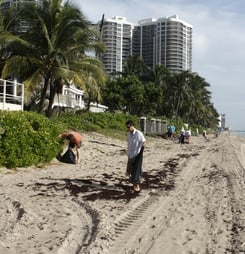
Organize a community cleanup event. Gather friends and family to pick up litter, focusing on plastic waste.
It’s a hands-on way to see the impact of plastic straws and make your local area cleaner. Plus, it’s a great excuse to spend time outdoors.
DIY Straw Alternatives
Get crafty and make your own reusable straws. Use bamboo, metal, or even sturdy pasta! It’s a fun activity for kids and adults alike.
Personalized, eco-friendly straws are not only functional but also a great way to show off your creativity and commitment to the environment.
Why Celebrate Skip the Straw Day?
The primary reason for celebrating Skip the Straw Day is the significant environmental damage caused by plastic straws. These tiny items are often found in beach cleanups and can harm marine life.
Animals like sea turtles and fish ingest these plastics, which can lead to severe health issues or even death. Skipping the straw helps mitigate these dangers, contributing to the broader fight against ocean pollution.
People are encouraged to refuse plastic straws and opt for sustainable alternatives. By doing so, they reduce their plastic footprint and spread awareness about the impact of single-use plastics.
This simple act inspires others to make eco-friendly choices, fostering a culture of environmental responsibility and community action!
History of Skip the Straw Day
Skip the Straw Day started in 2017, thanks to a group of middle school students in Whitehall, Michigan, known as the Coral Keepers.
Led by their advisor, Susan Tate, these young activists wanted to tackle the growing problem of plastic pollution. They decided to focus on plastic straws, a common item that often pollutes our oceans and harms marine life.
The idea for this day was to encourage people to refuse plastic straws, highlighting the ease with which everyone could contribute to environmental protection.
This action could reduce the number of straws ending up in landfills and oceans. Plastic straws are particularly harmful because they do not biodegrade; instead, they break into tiny pieces that persist in the environment, posing threats to wildlife and ecosystems.
The Coral Keepers’ initiative gained momentum quickly. They spread their message through various campaigns and social media, garnering support from schools, environmental organizations, and individuals.
Their efforts have raised awareness about the impact of single-use plastics and inspired many to make more sustainable choices.
Facts About Skip the Straw Day
Ancient Sumerian Straws Were Status Symbols
More than 5,000 years ago, Sumerians in Mesopotamia drank beer through straws made from reeds and even gold, using them to bypass the thick sediment at the bottom of their jars.
Archaeologists have found ornate gold and lapis lazuli drinking tubes in royal tombs at Ur, suggesting that straws were once luxury objects rather than disposable items.
The First Modern Straw Was Invented to Fix a Rye-Grass Problem
In 1888, Washington, D.C. inventor Marvin Stone patented the first modern paper drinking straw after growing frustrated with natural rye-grass straws that gave drinks a grassy taste and often disintegrated.
Stone wound paper around a pencil, glued it, and then paraffin-coated the tube to prevent it from getting soggy, creating a product that quickly spread through soda fountains and restaurants.
Flexible “Bendy” Straws Came From a Dad Helping His Child
The flexible drinking straw was created in the 1930s by Joseph Friedman, who noticed his young daughter struggling to drink a milkshake through a straight straw at a soda fountain.
He inserted a screw into the straw, wrapped it with dental floss to create ridges, and then removed the screw, producing the accordion-style bend that made straws easier to use for children and people lying in hospital beds.
Plastic Straws Are a Tiny Slice of Ocean Plastics but Highly Visible
While plastic straws have become a symbol of ocean pollution, recent estimates suggest they account for only a small fraction of the roughly 8 to 8.8 million metric tons of plastic entering the oceans each year.
Analyses of beach cleanup data indicate that straws and stirrers are among the most commonly found items on shorelines, which magnifies their visibility compared with their overall share of global plastic waste.
Life-Cycle Studies Show Some Straw Alternatives Can Pollute More
Life-cycle assessments comparing plastic, paper, metal, glass, and plant-based straws have found that some popular alternatives can have higher climate impacts than plastic if not reused enough times.
One peer-reviewed study reported that stainless steel straws, for example, require many uses to offset the energy and emissions from metal production and frequent washing, while certain agricultural-waste straws can have the lowest overall footprint.
Straws Are Among the Most Common Items in Global Beach Cleanups
International Coastal Cleanup data have repeatedly listed plastic straws and stirrers in the top 10 categories of trash collected on beaches worldwide.
A global analysis based on shoreline surveys estimated that hundreds of millions, and possibly several billion, individual straws are scattered on the world’s coasts at any given time, posing ingestion and entanglement risks for seabirds and marine animals.
Disability Advocates Shaped Many Straw Regulations
As cities and countries began introducing restrictions on plastic straws, disability advocates pushed officials to recognize that some people rely on flexible plastic straws for safe drinking.
In places such as Washington, D.C., and Seattle, resulting policies generally restrict automatic distribution but still allow plastic straws to be provided on request, reflecting an attempt to balance pollution concerns with accessibility needs.
Skip the Straw Day FAQs


You may also like

National Straw Hat Day
National Straw Hat Day celebrates the easy charm and everyday usefulness of straw hats. Woven from plant fibers and shaped for comfort, they have long offered a simple combination of shade, airflow, and style. The day is a chance to lean into that warm-weather spirit, whether someone wears a well-loved...
- United States

International Plastic Free Day
International Plastic Free Day encourages ditching single-use plastics, protecting wildlife, and inspiring reusable habits for a cleaner, healthier planet.
- United States

National Drinking Straw Day
Sipping a cold drink has never been more enjoyable thanks to these colorful tubes of fun that make every sip a delight!
- United States

World Oceans Day
With oceans making up 66% of our Earth, it’s crucial we raise awareness about and tackle the threats facing these life-giving and life-containing bodies of water.
- Australia
- Canada
- South Africa
- and 2 more
National days and holidays on February 26 2027

National Carpe Diem Day
Embracing every opportunity, living life to the fullest, and making the most of each moment with a spirit of adventure.
- International

Levi Strauss Day
In the hustle of Gold Rush, this sharp-minded innovator stitched together a sturdy solution for prospectors' fashion woes, forever altering attire.
- United States

Real Bread Week
Real bread is a joy to behold! Made with natural ingredients and baked to perfection, each bite is a heavenly experience.
- United Kingdom

Ramadan
During this holy month, Muslims fast from sunrise to sunset, focusing on spiritual reflection and community. Ramadan is a time for self-improvement and bringing people together in celebration of faith.
Seize Every Day
Join free for personalised recommendations, email reminders and exclusive guides. Never miss a day.