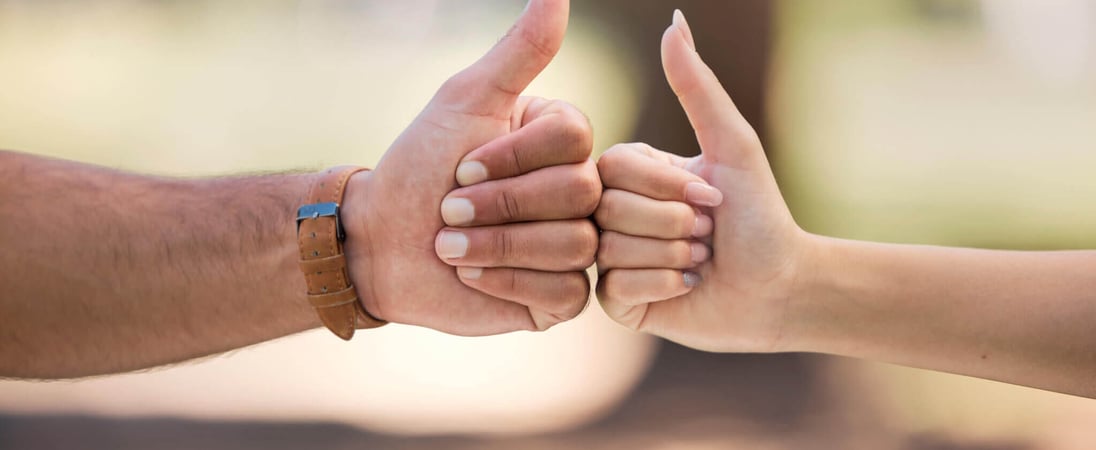
Thumb Appreciation Day
Thumb Appreciation Day is a quirky little reminder that one of the hardest-working parts of the human body is also one of the most overlooked.
Thumbs are so reliable that they rarely earn a thank-you. They just show up, do the job, and quietly move on to the next task.
Yet the thumb is a genuine MVP of everyday life. It helps open jars, hold a pen steady, zip a jacket, scroll a screen, carry bags, and keep a coffee cup from making a dramatic exit.
More than just a “spare finger,” the thumb is a specialized tool that gives the hand much of its power, precision, and personality.
Thumb Appreciation Day invites people to notice that, celebrate it, and maybe even give their thumbs a tiny bit of pampering in return.
How to Celebrate Thumb Appreciation Day
Observing Thumb Appreciation Day can be playful, practical, or surprisingly eye-opening. Some celebrations focus on what thumbs can do, like games and crafts.
Others highlight what happens when thumbs are taken out of the equation, which often turns simple actions into slapstick comedy.
Because thumbs are involved in so many motions, this day can also be a gentle nudge toward better hand habits. Many people spend hours gripping controllers, tapping phones, typing, or using tools. A little mindful attention to thumb comfort and movement can be both fun and genuinely helpful.
Check out a few of these ideas for celebrating:
Thumb Wrestling Showdown
Gather friends, family, or coworkers for a thumb wrestling tournament and let the tiny gladiators do their thing. Thumb wrestling is silly on the surface, but it also spotlights how strong and coordinated the thumb really is.
A “match” requires stability from the rest of the hand, quick reaction time, and controlled pressure, all guided by a thumb that is doing far more than flopping around.
To make it feel like a real event, set simple rules: best two out of three, no using the other fingers to trap the opponent’s thumb, and a clear start signal.
Create a bracket on paper, add playful “fighter names,” and award a ridiculous prize, like a paper crown with a thumbprint seal. For an added twist, try a “non-dominant hand” round. Many people quickly discover their off-hand thumb is willing but untrained.
Thumbprint Art Extravaganza
Unleash the inner artist by turning thumbs into stamp tools. Thumbprint art works for all ages and skill levels because the print itself already has texture and personality. One simple press can become a balloon, a ladybug body, a fish, a flower petal, or the beginning of an abstract design.
Set out washable paint pads or a small palette of acrylics, along with paper, markers, and cotton swabs for adding details. Then invite a mix of playful approaches:
- Story pictures: create a tiny “thumbprint zoo” where animals come to life from colorful prints
- Pattern pages: build repeating designs in rows, spirals, or mandala-like circles
- Cards and notes: design handmade greeting cards using thumbprint motifs
- Collaborative murals: let everyone add a few prints to a shared artwork
Beyond the fun, thumbprint art offers a quiet moment of discovery. Each thumb carries delicate ridges that help with grip and movement, and every print leaves behind a mark that is entirely its own. No two are ever the same, which makes every finished piece a small, personal signature.
Social Media Shout-Outs
Share some thumb love online, if that fits the celebration vibe. A post can be educational, funny, or unexpectedly heartfelt. People might upload a photo of a thumb doing what it does best: holding a mug, creating art, pressing piano keys, playing a guitar chord, or offering a classic thumbs-up.
For extra variety, lean into small, creative themes:
- “A day in the life of a thumb” photo series
- Before-and-after: a quick thumb stretch or self-massage routine
- Thumb gratitude list: everyday tasks made easier by opposable thumbs
- Thumb challenge clips: short videos attempting simple actions without thumb use
This kind of sharing also opens space for awareness and inclusion. Not everyone has the same range of motion, strength, or comfort in their hands. Celebrating thumbs can quietly become a moment to appreciate hand function overall, recognize invisible challenges, and respect the constant, often unnoticed work our hands perform every day.
Thumb Massages
Thumbs stay busy, and the muscles and tendons that move them can get tired. A simple massage is an easy way to say “thanks for everything” without making it awkward.
Start with a small amount of lotion or oil to reduce friction. Then try the following:
- Gently press and rub the fleshy pad at the base of the thumb using small, slow circles.
- Massage along the sides of the thumb, moving from the base toward the tip.
- Carefully roll the thumb between the fingers and thumb of your other hand.
- Spend a little extra time on the “web space” between the thumb and index finger, which often holds tension from gripping, scrolling, and typing.
The goal is comfort, not deep or aggressive kneading. If anything feels sharply painful, ease up right away. This is about appreciation, not turning Thumb Appreciation Day into Thumb Endurance Day.
Thumb-Free Challenges
Try going thumb-free for a set amount of time and watch the world become surprisingly complicated. The thumb plays a major role in grip stability and precision. Take it out of the equation, and the other fingers suddenly have to improvise.
Choose a few everyday tasks and attempt them without using either thumb:
- Opening a bottle or jar
- Writing a short note
- Putting on a shirt and fastening buttons
- Using a phone or typing a sentence
- Tying shoes or handling small coins
- Carrying a cup without wrapping the thumb around it
This challenge works best with curiosity and humor rather than competition. The struggle is the lesson. Thumbs quietly support independence in ways that usually go unnoticed.
Afterward, many people find themselves more grateful for their hands and more aware of how repetitive strain builds up during daily routines.
It’s a small experiment with a big perspective shift.
Thumb Appreciation Day Timeline
85 million years ago (approx.)
Primates Diverge From Other Mammals
The primate lineage, whose grasping hands would eventually give rise to the human thumb, branches off from other mammals in the Late Cretaceous.[1]
~55 million years ago
Earliest Primate Fossils With Grasping Hands
Early primate fossils appear, showing hands adapted for grasping branches, setting the stage for the later development of opposable thumbs.[2]
3–2 million years ago
Australopithecines Show Advanced Thumb Use
Species such as Australopithecus africanus develop hand bones consistent with powerful opposition and precision grips, indicating sophisticated thumb use.[3]
~2 million years ago
Early Homo Hands Enable Efficient Opposition
Hand bones from Swartkrans Cave in South Africa reveal early Homo or related hominins with thumb–finger opposition efficiency similar to modern humans.[4]
1.76 million years ago
Acheulean Handaxes Showcase Precision Grip
The appearance of Acheulean handaxes, requiring careful shaping and control, reflects a thumb capable of sustained precision gripping and tool manipulation.[5]
300,000 years ago (approx.)
Anatomically Modern Humans Emerge
Homo sapiens evolve with long, highly mobile thumbs and refined precision grips, supporting complex toolmaking, art, and intricate cultural behaviors.[6]
1960
John Napier Publishes “Fossil Hand Bones of Early Man”
Primatologist John Russell Napier formalizes concepts of “power grip” and “precision grip,” shaping scientific understanding of how the human thumb enables tool use.[7]
History of Thumb Appreciation Day
Thumb Appreciation Day is dedicated to recognizing the value of the thumb and highlighting how much human life depends on this single digit.
It appears on calendars as an annual observance, sometimes listed as National Thumb Appreciation Day, and is widely shared as a lighthearted way to celebrate a surprisingly serious part of the human body.
The day’s modern popularity fits into a broader trend of playful, body-themed observances that invite people to notice what they usually overlook. Thumbs rarely get a starring role, even though they sit at the center of countless everyday skills.
The celebration leans into that contradiction. The thumb is so useful that it often becomes invisible until it is missing from the action.
From an anatomical perspective, the thumb is different from the other fingers in ways that truly matter. It is shorter, thicker, and positioned to meet the fingertips.
This ability to touch the thumb to the other fingers is why it is described as “opposable.” Opposability is more than an interesting feature. It forms the foundation of many of the hand’s most important abilities, from strong gripping to careful, precise movement.
The thumb supports two broad categories of work performed by the hand:
- Power tasks: holding handles, gripping heavy objects, stabilizing tools, twisting caps
- Precision tasks: picking up small items, fastening jewelry, threading needles, writing, tapping icons on a screen
These categories rarely exist in isolation. Daily life blends them constantly. Opening a jar combines strength with subtle pressure control to prevent slipping.
Using a smartphone requires rapid, accurate thumb movements while the rest of the hand provides stability. In both cases, the thumb quietly coordinates effort and finesse.
Thumb Appreciation Day also points to the thumb’s role in human development. The ability to grasp and control objects supports tool use, craftsmanship, and fine motor skills that appear in cooking, music, art, and work of all kinds.
Over time, humans have built entire ways of living around shaping and manipulating the physical world. The thumb is one of the key reasons hands can do that so effectively.
Culturally, the thumb carries symbolic weight as well. A thumbs-up gesture signals approval in many parts of the world. The phrase “rule of thumb” reflects practical knowledge passed down through experience. Whether used for communication, creativity, or convenience, the thumb occupies a familiar place in both language and daily life.
Celebrations associated with Thumb Appreciation Day often reflect this blend of science and silliness. Thumb wrestling highlights strength and control.
Thumbprint art celebrates creativity and individuality. Thumb-free challenges reveal just how essential thumbs are, often with a dose of comic frustration. Each activity reinforces the same idea: a small structure can have an outsized impact.
The observance can also serve as a quiet reminder to care for hands. Modern routines involve repeated thumb movements, frequent gripping, and long periods of typing or swiping.
While the day is not a medical event, it naturally encourages awareness. If a thumb feels stiff, tired, or strained, it may be time to notice posture, grip habits, and the need for rest.
In the end, Thumb Appreciation Day invites people to notice the mechanics behind everyday independence.
The thumb makes actions smoother, faster, and more precise. It helps people create, connect, work, and play, all while rarely asking for recognition. This day simply returns that recognition where it belongs: right to the thumb.
Thumb Appreciation Day Facts
Thumb Appreciation Day highlights just how essential the thumb is to human ability, independence, and everyday movement. Often treated as a playful observance, the day draws attention to serious anatomical and evolutionary facts that are easy to overlook.
From gripping tools to performing precise tasks, the thumb quietly supports a large portion of what hands are able to do.
These facts explore why this single digit plays such a powerful role in human function, development, and daily life—and why losing or injuring it has a far greater impact than most people expect.
-
Thumb Accounts For About Half Of Hand Function
Hand surgeons estimate that the thumb contributes roughly 40–50% of overall hand function, because it participates in almost every grip pattern, from power grips on tools to delicate pinch movements.
Losing or severely injuring a thumb typically has a much greater impact on independence and dexterity than injuries to any single finger, which is why thumb reconstruction is a major focus in hand surgery.
-
Opposable Thumbs Enable Both Power And Precision Grips
The human thumb’s saddle-shaped carpometacarpal joint and strong intrinsic muscles allow it to oppose the fingers in two distinct ways: power grips, such as holding a hammer, and precision grips, like pinching a needle.
This dual capability is considered a key biomechanical advantage that underpins fine motor skills, tool use, and many occupations requiring manual expertise.
-
Humans Have A Uniquely Long, Strong Thumb Among Primates
Compared with most other primates, humans have a relatively long, stout thumb and shorter fingers, a hand shape that enhances leverage and control during precision gripping.
Fossil evidence suggests that early hominins such as Homo habilis already had thumb proportions close to modern humans, supporting the idea that advanced tool use and thumb evolution progressed together.
-
Ancient Stone Tools Reveal Early Thumb Dexterity
Microscopic wear patterns on 1.7–2-million-year-old stone tools and fossil hand bones indicate that early human relatives used a pad-to-pad precision grip between thumb and fingers, rather than only power grips.
This finding implies that sophisticated thumb-controlled manipulation emerged far earlier than previously thought and likely helped hominins exploit new food sources and technologies.
-
The “Gamer’s Thumb” Injury Is A Modern Overuse Problem
Repetitive thumb motions used for texting, gaming, and smartphone scrolling have led to rising diagnoses of conditions such as De Quervain’s tenosynovitis, sometimes nicknamed “gamer’s thumb” or “texter’s thumb.”
These overuse injuries inflame the tendons that move the thumb, causing pain on the thumb side of the wrist and illustrating how modern technology can strain a digit evolved for varied, intermittent tasks.
-
Thumb Ligament Tears Are Common In Falls And Sports
Injuries to the ulnar collateral ligament of the thumb—often called “skier’s thumb” when caused by a fall on a ski pole—account for a significant share of sports-related thumb trauma.
If the torn ligament is not repaired, people can lose pinch strength between the thumb and index finger, making everyday actions like turning keys, fastening buttons, or opening jars noticeably harder.
-
Thumbprints Helped Launch Early Forensic Identification
Long before digital biometrics, the unique ridge patterns of the thumb and other fingers were used to reliably identify individuals in law and policing.
By the early 20th century, police forces across Europe, India, and the Americas had standardized thumb and fingerprints as primary evidence tools, because no two people—even identical twins—share the same friction ridge patterns.
Thumb Appreciation Day FAQs
Is the thumb considered a finger in anatomy?
In human anatomy, the thumb is classified as a digit but not one of the four fingers. It has only two phalanges (bones) instead of three, a different range of motion, and unique muscles that allow it to oppose the other digits, so many anatomists distinguish “thumb” from “fingers” when describing the hand. [1]
What makes the human thumb “opposable,” and why does that matter?
An opposable thumb can be brought across the palm to touch the tips of the other fingers, thanks to a specialized saddle joint at its base and coordinated muscles in the hand and forearm. This opposition movement allows powerful grips on tools and delicate precision pinches, making tasks like writing, buttoning, and using electronics far easier. [2]
How much does the thumb actually contribute to hand function?
Clinical and biomechanical studies estimate that the thumb contributes around 40–50% of overall hand function, especially for pinch and grip strength. Loss of the thumb or severe thumb injury often causes major disability, and reconstructive hand surgery frequently prioritizes restoring thumb function for patients to regain independence in daily activities.
Do other animals have opposable thumbs like humans?
Some primates, such as chimpanzees and gorillas, have opposable thumbs, and a few non-primate species, like koalas, have opposable digits as well. However, the human thumb is proportionally longer and more mobile, giving humans a uniquely powerful precision grip compared with other species. [3]
What are the most common medical problems that affect the thumb?
Common thumb problems include osteoarthritis at the base joint (carpometacarpal arthritis), ligament injuries such as “skier’s thumb” or “gamekeeper’s thumb,” tendonitis from overuse, and fractures. These conditions can cause pain and reduced grip, and are typically managed with rest, splints, exercises, medications, or in severe cases, surgery. [4]
Can heavy smartphone or gaming use really injure the thumb?
Repetitive texting, scrolling, or gaming can strain thumb tendons and joints, sometimes leading to pain, swelling, or tendonitis. Hand specialists recommend varying grip positions, using both hands instead of just the thumbs, taking frequent breaks, and adjusting device settings (like voice input or larger keyboards) to reduce stress on the thumb over time. [5]
How do occupational and hand therapists help people who have lost or injured a thumb?
Occupational and hand therapists use exercises, custom splints, task modifications, and training in new movement patterns to maximize remaining function after thumb injury or loss. In some cases, they help patients learn to use another finger as a “new thumb” or adapt tools and household items so people can dress, cook, write, and work safely and independently. [6]
Also on ...
View all holidays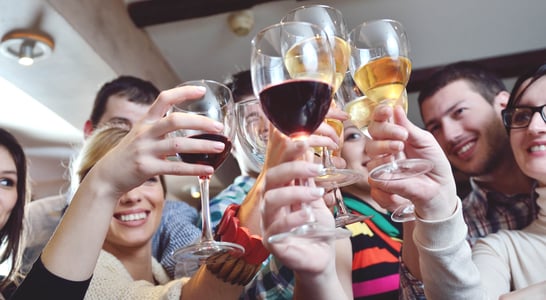
National Drink Wine Day
Raise your glass to a delicious beverage that pairs well with a romantic dinner or a fun night out with friends!
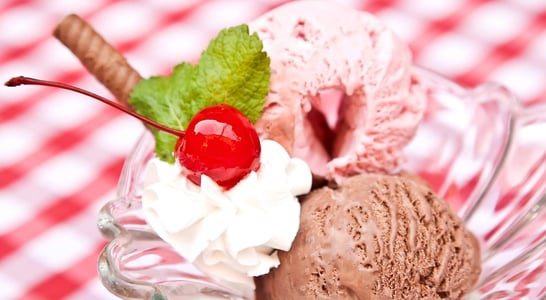
National Eat Ice Cream for Breakfast Day
Savoring frozen delights at sunrise to honor young fighters, uniting with sweet compassion for a vital cause.
We think you may also like...

Global Belly Laugh Day
Discovering the magic that a good chuckle brings, not just to the mood but also to overall well-being, reminding everyone of life's joyful side.

World Naked Gardening Day
Truly get back to nature by getting your hands dirty and spending time in your garden, entirely in the nude. Don’t forget the sunscreen, or your skin may suffer.

Teenager Workout Day
Teenagers, it’s time to get in shape. Parents of teenagers, it’s time to help your kids learn about safe, daily exercise routines that can keep them healthy.