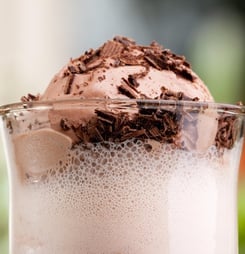

On a hot, sweaty day, it’s absolutely impossible to go wrong with a creamy milkshake to get cooled down and sugared up.
One of the world’s most indulgent beverages, the humble milkshake can be found in hundreds of iterations – and today, it’s the sweet and simple vanilla milkshake that is getting all of the attention.
Whether people like their milkshakes creamy or smooth, with whipped cream or mixed up with a pile of candy, with fruit or just as a plain Jane shake, this day offers the perfect excuse to have a sip or two of this delicious dairy drink!
It’s time to celebrate National Vanilla Milkshake Day!
How to Celebrate National Vanilla Milkshake Day
National Vanilla Milkshake Day is a fun day to grab a milkshake with friends and enjoy. Try out these ideas for celebrating National Vanilla Milkshake Day:
Make a Vanilla Milkshake
For a delicious treat in hot weather, grab the blender and try a hand at whipping up a vanilla milkshake in celebration of the day.
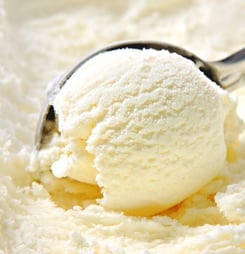
Choose to add ice cream for a super-rich texture, or use vanilla powder whisked in with the milk to keep things smooth. For an alternative that’s more like a smoothie, add crushed ice when blending it, to keep things cool.
For extra fun, jazz up that shake with a topping of light whipped cream, and go full 1950s diner-style by popping a single red cherry on the top!
Order a Vanilla Milkshake at a Restaurant
For those who don’t have a blender, or who simply don’t feel up to making their own vanilla milkshake, there’s always the option of grabbing one at a restaurant to enjoy sitting down or to take away.
Some restaurants, such as certain locations of Chick-Fil-A, have been known to celebrate the day by offering a Buy One Get One Free deal on certain milkshakes in honor of Vanilla Milkshake day.
Other restaurant chains that serve delicious vanilla milkshakes all over the world include:
- Steak N Shake. Hand-dipped vanilla milkshakes are served in more than 600 restaurants in the United States, France, Spain, Italy, Portugal, Saudi Arabia, and Qatar. At most US locations, any flavor milkshake can be purchased for half price on most weekdays between certain hours in the afternoon or in the middle of the night. (While there, go ahead and order a serving of their delicious skinny fries–they go great dipped into a vanilla shake.)
- Shake Shack. With more than 250 locations all over the globe, Shake Shack just seems like the right place to go for a delicious vanilla milkshake. This fast-casual diner has been growing quickly in the last two decades, with locations in Bahrain, China, Mexico, Kuwait, Turkey, Singapore, the United Kingdom, and many more.
- Sonic. Classic vanilla milkshakes at this drive-up or drive-thru establishment come quickly to the car. They come from a shake machine (not hand-dipped), and are probably not the highest quality shake ever served. But they’re quick, inexpensive, tasty, and convenient. Restaurants are located in 44 of the 50 United States and many of them offer half-price shakes at certain hours of the evening.
Try a Vegan Vanilla Milkshake
Whether it’s for a person who is lactose intolerant and sensitive to dairy, or simply because it’s a healthier lifestyle choice, Vanilla Milkshakes don’t have to be made from dairy ingredients. Even people who aren’t fans of cow’s milk products can enjoy National Vanilla Milkshake Day!
Plus, it comes with less guilt because it’s less sugary and part of a healthier diet.
This vegan vanilla milkshake can be ready in less than five minutes. Simply toss these ingredients into a blender: vegan vanilla ice cream (made from coconut milk or cashew milk), a bit of sugar or sweetener, almond milk (or another preferred plant milk), and some ice.
To make it even tastier, add a portion of a vanilla bean into the mix. Run the blender and enjoy–on National Vanilla Milkshake Day or any day!
History of National Vanilla Milkshake Day
Vanilla has been a flavoring of choice for sweet treats for hundreds of years. And it has been one of the standard go-to flavors for many ice cream and dairy manufacturers, so it’s no wonder someone thought to pop it in a milkshake for a classic flavor.
The milkshake itself has quite a history – contrary to what most people expect, the milkshake started out as an alcoholic, whiskey-based drink, not unlike eggnog. In fact, it was even touted as a ‘restorative tonic’, good for the health, in 1885.
By the early 1900s, a milkshake would come to mean a drink that was made with chocolate or fruit syrups, and soon enough ice cream was commonly asked to be added to the mix.
In the 1930s, milkshakes would become a very popular drink at so-called ‘malt shops’, which were frequently used by students of the era as a meeting point to hang out with their friends.
The milkshake would naturally morph into the light and frothy kind everyone knows today, thanks to the invention of the blender. This important small kitchen appliance allowed for a smooth milkshake where previously they could only be hand-shaken.
In the 1950s, the milkshake establishments had become a mainstay of American culture. Staff at the soda fountains would have nicknames for flavors of milkshake – the nickname for a vanilla milkshake was a ‘white cow’.
National Vanilla Milkshake Day is the perfect day to celebrate this classic, iconic and cool drink that is somewhere between a beverage and a dessert!
Facts About National Vanilla Milkshake Day
Milkshakes Started As Shaken, Non‑Alcoholic “Milk Shakes”
An 1886 article in the Atlanta Constitution described a “milk shake” as milk, cream, flavored syrup, cracked ice, and nutmeg that was vigorously shaken, with no alcohol at all.
This primary-source recipe suggests that, contrary to some modern retellings, at least some of the earliest drinks called “milk shakes” were non-alcoholic soda fountain concoctions rather than whiskey-laced tonics.
Electric Drink Mixers Transformed Soda Fountain Shakes
Before electric appliances, milkshakes were literally shaken by hand in tumblers or mixed with simple, hand-cranked devices.
In the early 1920s, inventor Stephen Poplawski patented an electric drink mixer designed to blend beverages, and companies like Hamilton Beach soon commercialized similar machines.
These countertop mixers let soda jerks whip milk and ice cream into a thick, foamy shake in seconds, helping turn milkshakes into a staple of American diners.
Walgreens Helped Popularize the Ice Cream Malted Milkshake
In the 1920s, Walgreens drugstores became famous for their soda fountains, and employee Ivar “Pop” Coulson is widely credited with boosting the drink’s popularity by adding generous scoops of ice cream to an existing malted milk recipe.
By 1922 Walgreens was advertising malted milkshakes made from milk, malt powder, flavored syrup, and ice cream, a combination that closely resembles the modern malted milkshake found in burger joints and diners.
Vanilla Orchids Must Be Hand‑Pollinated For Beans To Form
The vanilla used to flavor ice cream and milkshakes mostly comes from the tropical orchid Vanilla planifolia. Outside its native range in Mesoamerica, the plant lacks natural pollinators, so each flower must be hand-pollinated during the few hours it is open.
A practical method for doing this with a small stick is historically attributed to 12-year-old Edmond Albius on Réunion Island in 1841, and his technique still underpins virtually all commercial vanilla production today.
Madagascar Dominates Global Natural Vanilla Production
Although vanilla-flavored products are sold worldwide, the cured beans themselves are a niche crop produced in surprisingly small volumes.
International commodity data show Madagascar as the leading exporter of natural vanilla, often responsible for the majority of world supply, with smaller contributions from countries like Indonesia, Uganda, and Papua New Guinea.
This means many “real vanilla” treats in North America and Europe trace their flavor back to smallholder farmers in a single island nation.
Most “Vanilla” Flavor Comes From Synthetic Vanillin, Not Beans
Natural vanilla is costly and labor-intensive, so the vast majority of vanilla flavoring in processed foods is supplied by synthetic or “nature-identical” vanillin rather than vanilla extract.
Food science and trade reports note that global natural vanilla production is measured only in thousands of tons per year, while demand for vanilla flavor is far higher, so companies rely on vanillin derived from petrochemicals or lignin to flavor everything from ice cream and milkshakes to soft drinks and baked goods.
Vanilla Farming Is Labor‑Intensive And Prone To Price Shocks
Because each vanilla flower is hand-pollinated and beans must then be harvested, scalded, sweated, and dried over months, vanilla is one of the most labor-intensive flavor crops.
Reports from UNCTAD and the World Bank describe how cyclones, theft, and speculative trading have driven vanilla prices in Madagascar to extreme highs and lows in recent decades, sometimes rivaling the price of silver by weight. That volatility translates into unstable incomes for small farmers whose livelihoods depend heavily on the crop.
National Vanilla Milkshake Day FAQs