
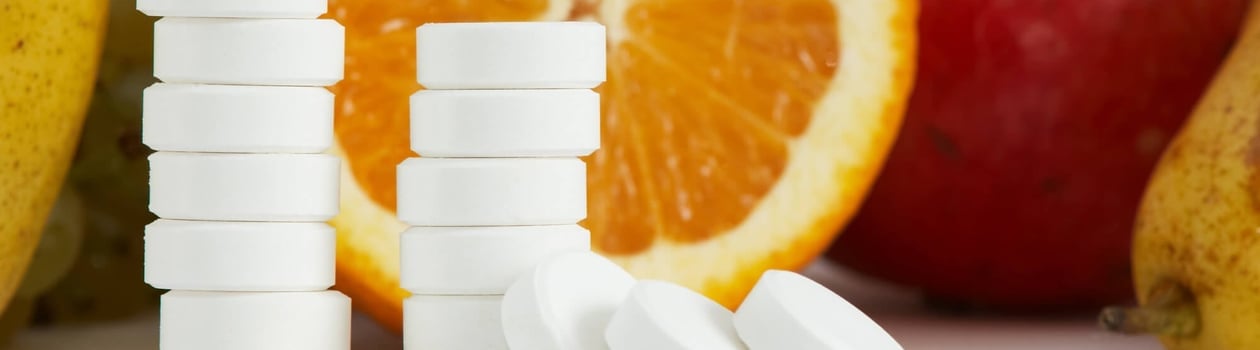
Vitamin C. We all hear about it, how good it is for us, how it will help us fight off that cold. But how much do we really know about this mystery substance, and just how much can it do to help our bodies?
Take advantage of Vitamin C day to learn something new and boost your health, to boot!
National Vitamin C Day Timeline
James Lind’s Pioneering Scurvy Trial
Scottish naval surgeon James Lind conducts a controlled trial aboard HMS Salisbury showing that oranges and lemons rapidly cure scurvy, firmly linking citrus intake to prevention of the disease later known to be caused by vitamin C deficiency.
Royal Navy Adopts Citrus Rations
Following successful shipboard trials and advocacy by physician Gilbert Blane, the British Admiralty orders daily citrus juice rations for sailors, effectively eliminating scurvy from the fleet and establishing vitamin C–rich juice as a life-saving naval staple.
Guinea Pig Model Shows Dietary Cause of Scurvy
Norwegian researchers Axel Holst and Alfred Fröhlich induce and then cure scurvy in guinea pigs using controlled diets, proving scurvy is caused by a missing dietary factor that would later be identified as vitamin C.
Isolation and Naming of Vitamin C
Hungarian biochemist Albert Szent-Györgyi isolates a substance he calls hexuronic acid from adrenal glands and paprika, and by 1932, with Walter Haworth’s structural work, it is recognized as the antiscorbutic factor and renamed ascorbic acid, or vitamin C.
First Chemical Synthesis of Vitamin C
Walter Haworth and colleagues achieve the first laboratory synthesis of vitamin C, paving the way for large-scale industrial production and affordable vitamin C supplements rather than reliance solely on food sources.
Nobel Prizes Recognize Vitamin C Research
Albert Szent-Györgyi receives the Nobel Prize in Physiology or Medicine for discoveries related to biological combustion and vitamin C, while Walter Haworth receives the Nobel Prize in Chemistry for work on carbohydrates and vitamin C structure, cementing its scientific importance.
Linus Pauling Popularizes High-Dose Vitamin C
Nobel laureate Linus Pauling publishes “Vitamin C and the Common Cold,” promoting large daily doses of vitamin C to prevent and treat colds and sparking decades of public enthusiasm and clinical research into the vitamin’s broader health effects.
How to Celebrate National Vitamin C Day
The best way to celebrate National Vitamin C Day is to stay healthy — and this very vitamin can help you with that! Check out a few of these ways to celebrate this important event:
Get Enough Vitamin C in Your Diet
Vitamin C is necessary for good health and general well-being, but the unfortunate truth is that not everyone has the time to pay close attention to what they eat and just how many grams or milligrams of a certain substance they consume daily.
The drastic rise in popularity of convenience foods has caused people’s diets to become much less healthy over the recent years.
This is combined with the fact that many people are working longer hours than ever and don’t have the time or the energy to cook themselves and their families a well-balanced meal every day.
Luckily, there are a few ways to make sure you’re getting enough Vitamin C, no matter your lifestyle!
Enjoy Lemon Juice for Vitamin C
One is to simply squeeze lemon juice into the water you drink. Half a lemon contains almost 100% of your daily vitamin C requirement, so just a squeeze here and there will be more than enough!
As it turns out, you can put lemon juice into pretty much everything for your daily dose of Vitamin C as well as a deliciously tangy zing. It even works for alcoholic beverages, which might also help to avoid a hangover.
As opposed to some other “healthy” foods which, let’s face it, can be downright nasty (looking at you, kale!), lemon juice makes almost everything you put it on and in taste better. Salad dressings. Grilled meats. The list goes on. And if for whatever reason you’re not a fan of lemons, don’t worry!
Many fruits and vegetables contain enough Vitamin C to keep you healthy, including tomatoes, strawberries, spinach, peppers, and many more. Take advantage of National Vitamin C Day to do your body a favor!
Apply Vitamin C to Your Skin
Vitamin C cannot only be consumed, but it can be applied to your skin as well. As mentioned earlier, Vitamin C is great for skin health.
Why not make your own Vitamin C serum? It is not as difficult as you may think! All you need is some aloe vera gel, filtered water, and vitamin C powder.
You may decide to add some other vitamins as well, such as vitamin E oil. There are some variations of how to make vitamin C serums and facemasks online, but the ingredient list is a simple one, yet the benefits are vast!
Of course, you can also buy some vitamin C skin products, rather than making your own. If you are going to use a vitamin C serum, whether homemade or not, we recommend washing your face first and using a toner. You can then apply a small amount of the serum, which is probably going to be quite thick.
Do this before you go to bed, and add another layer of moisturizer. In the morning, you should wash your face thoroughly before any makeup is applied. Because of sun exposure, vitamin C serum is not designed to be used on a daily basis.
Make sure you spread the word about National Vitamin C Day and the benefits associated with this nutrient so that you can help others experience the benefits of it!
Facts About National Vitamin C Day
Vitamin C’s Crucial Role in Building Collagen
Vitamin C is required for two key enzymes, prolyl and lysyl hydroxylase, that stabilize and cross-link collagen fibers, which are essential for healthy skin, blood vessels, bones, and gums.
Without enough vitamin C, collagen is made in a weaker form, leading to symptoms like fragile capillaries, poor wound healing, and, in severe deficiency, scurvy.
Why Humans Lost the Ability to Make Their Own Vitamin C
Most mammals can synthesize vitamin C in the liver from glucose, but humans, other primates, guinea pigs, and some bats and birds cannot.
In these species, a gene called GULO, which encodes the last enzyme in the vitamin C synthesis pathway, is inactive due to mutations, so vitamin C must come entirely from the diet.
Vitamin C and the True Story Behind Scurvy at Sea
During the Age of Sail, scurvy could kill large portions of ship crews on long voyages, often more than combat or shipwrecks.
In 1747, Scottish naval surgeon James Lind ran one of the earliest controlled clinical trials and found that sailors given citrus fruits recovered, laying the groundwork for recognizing vitamin C’s role long before the vitamin itself was identified.
Topical Vitamin C as a Dermatology Workhorse
In dermatology, stabilized forms of topical vitamin C at concentrations around 10–20 percent have been shown in clinical studies to improve fine wrinkles, skin texture, and pigmentation while helping protect against UV-induced damage when used alongside sunscreen.
Because vitamin C is unstable and breaks down with light and air, effective products must use carefully designed formulations and packaging.
What the Evidence Really Says About Vitamin C and Colds
Meta-analyses of randomized trials suggest that taking vitamin C regularly does not substantially reduce the chance of catching a cold in the general population, but it can modestly shorten how long symptoms last and slightly lessen their severity.
For people under extreme physical stress, such as marathon runners and soldiers in subarctic training, regular vitamin C supplements appear to cut cold risk more noticeably.
Cooking Can Quietly Drain Vitamin C from Foods
Vitamin C is water-soluble and sensitive to heat and oxygen, which means common cooking methods can significantly reduce the amount that ends up on the plate.
Boiling vegetables such as broccoli or spinach can lead to losses of 30–50 percent or more of their vitamin C content, while steaming or microwaving with minimal water better preserves this nutrient.
Many Fruits Beat Oranges for Vitamin C Content
Although oranges are famous for vitamin C, several fruits contain considerably more per gram, including guava, blackcurrants, and kiwifruit.
A single medium guava can provide well over twice the daily recommended intake for adults, highlighting how diverse diets can easily meet vitamin C needs without relying on citrus alone.
National Vitamin C Day FAQs
Learn About National Vitamin C Day
National Vitamin C Day has been created so that we can appreciate and learn all about the different ways that vitamin C can benefit our health.
Vitamin C is also referred to as ascorbate and ascorbic acid. It is found in a number of different foods, as well as being sold as a dietary supplement.
It is an essential nutrient in terms of producing a number of neurotransmitters and repairing tissues. It was discovered back in 1912. Sixteen years later, it was isolated. Then, in 1933, it became the first vitamin to be produced chemically.
Vitamin C is widely recognized for helping to keep colds at bay. However, there are plenty of other benefits that are associated with this powerful vitamin! You could reduce your blood pressure by upping your vitamin C uptake, for example.
This important vitamin is also beneficial in terms of helping to keep your skin healthy. This is because it protects it from the oxidative damage that is caused as a result of exposure on a daily basis to pollution, heat, and light. This has seen the population of vitamin C products increase considerably.
There are plenty of natural ways to add some more vitamin C to your diet. You don’t need to opt for vitamin C supplements, although many people do.
Some of the fruits that have the highest sources of vitamin C include cantaloupe melon, citrus juices and fruits, kiwi fruit, pineapple, papaya, mango, and the various berries, such as cranberries, blueberries, raspberries, and strawberries. There are also a number of vegetables that are rich in vitamin C as well, including cauliflower and broccoli.
History of National Vitamin C Day
As a substance occurring naturally in countless different fruits and vegetables, vitamin C has likely been around as long as the earth itself.
People from all over the world have long been aware of the extensive health benefits of consuming foods high in vitamin C as well as the risks associated with not consuming enough of it, one of which is scurvy.
It was not until the late 19th century that scurvy was described in detail by British physician Sir Thomas Barlow, that people began to understand just how much this substance can do for our health. However, scurvy was known for thousands of years prior, with even the great Hippocrates himself writing about it.
In the 18th century, it is assumed that the disease killed more British sailors than any enemies they had and was one of the greatest factors limiting maritime travel over the ages.
Today, very few people suffer from scurvy and Vitamin C is considered on of the most important nutrients food can and should provide.
National VItamin C Day is here to celebrate all that this amazing nutrient has to offer! This event was started in 2019 by SkinCeuticals to celebrate the research and benefits of Vitamin C.