Waitangi Day
Waitangi Day is celebrated by people throughout the country of New Zealand, particularly in the Bay Islands.
Events can last for up to three days, including a special opening service takes place at dawn on Waitangi Day at the Treaty Grounds.
Other activities including political speeches, parades, ceremonies, musical performances and so much more.
Waitangi Day Timeline
c. 1250–1300 CE
First Polynesian Settlement of Aotearoa
East Polynesian navigators reach and settle Aotearoa New Zealand, establishing the ancestral Māori communities whose descendants later negotiate with the British Crown.
28 October 1835
He Whakaputanga: Declaration of Independence
Northern rangatira sign He Whakaputanga o te Rangatiratanga o Nu Tireni at Waitangi, asserting the independence and sovereignty of the United Tribes of New Zealand.
6 February 1840
First Signing of Te Tiriti o Waitangi
Captain William Hobson and over 40 Māori rangatira sign the Treaty of Waitangi at Waitangi in the Bay of Islands, creating a contested but foundational agreement between Crown and Māori.
February–September 1840
Treaty Sheets Circulate Around New Zealand
Copies of Te Tiriti travel around the country by ship and overland, and about 540 Māori chiefs sign mostly the Māori text, extending the Treaty’s reach across many iwi and regions.
10 October 1975
Treaty of Waitangi Act Establishes Tribunal
New Zealand’s Parliament passes the Treaty of Waitangi Act 1975, recognizing the Treaty in domestic law and creating the Waitangi Tribunal to investigate alleged breaches by the Crown.
History of Waitangi Day
Considered to be the National Day of New Zealand, Waitangi Day commemorates the historical signing of the treaty of Waitangi, which took place on February 6, 1840.
This treaty, the founding document of New Zealand, established a political agreement between the native Māori people and the representatives of the British Crown.
The purpose of the Waitangi treaty was to ensure a peaceful future for everyone in the places that is now the nation of New Zealand. The Māori people agreed to let other people live on their land, allowing the British to make rules and require people to live by them.
It wasn’t until almost a century later that the initial observance of New Zealand’s Waitagi Day took place, in 1934. It was on this day that a special gathering (hui) took place at the site of the original signing of the treaty in the Bay Islands, initiated by New Zealand’s then Governor-General, Lord Bledisloe.
The hope was that the Treaty House, the site of the original signing would become a national monument and a memorial to the relationship between the colonizing people with the native Māori.
How to Celebrate Waitangi Day
There are lots of ways to get involved with Waitangi Day so get creative – or start with some of these:
Attend Waitangi Day Events
One excellent way to get involved with Waitangi Day is to head to New Zealand for a visit during this special time.
Stop by the Bay Islands for a visit to the original site in Waitangi site, taking part in the various local celebratory activities.
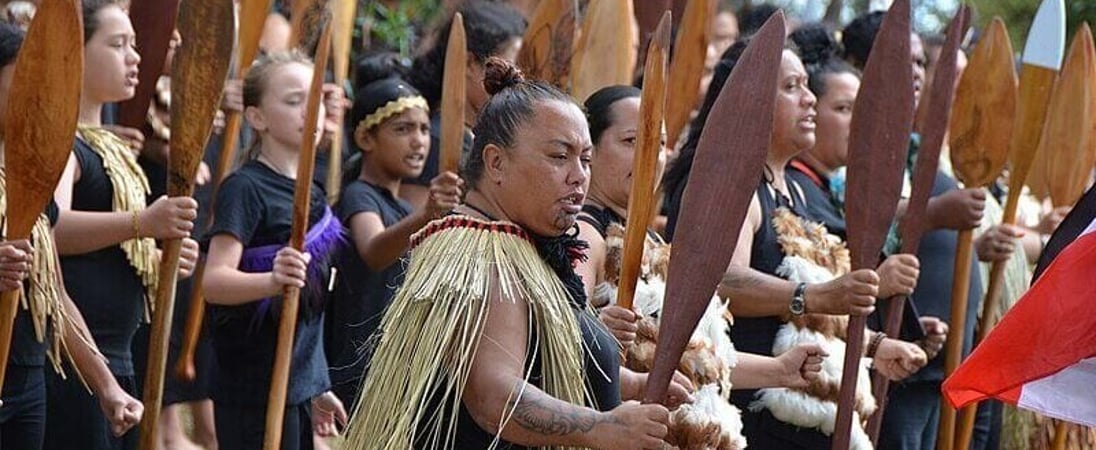
Some might include different cultural aspects of the Māori people, such as dances, foods and waka canoe races.
Gather with Friends and Family
Many people throughout New Zealand take Waitangi Day as an opportunity to celebrate their country and their land.
Host a gathering with friends and family members, including food and exciting festivities.
Learn About Māori Culture
One excellent way to show appreciation for Waitangi Day is to pay some honor and respect to the culture and background of the native people group who signed the treaty, the Māori.
Learn a bit more about this people group and their practices by doing some research at the library or online. Get started with some of these facts:
-
The first humans to occupy what is now New Zealand, the Māori people settled there approximately 1200 years ago
-
The name of “Māori” means ‘ordinary people’ in the tribal language
-
Māori people were known to be skilled artists, mastering the art of weaving as well as carving detailed wooden war canoes
-
Tattoos are a significant part of the Māori culture, uniquely reflecting a person’s ancestry and family history
Waitangi Day FAQs
How do the Māori and English versions of the Treaty of Waitangi differ in their core ideas?
The Māori and English texts share a three‑article structure but use key terms differently, which has led to long‑running disputes.
In the English version, article 1 says Māori chiefs cede “sovereignty” to the Crown, while the Māori text uses “kāwanatanga katoa” (complete governance), a term many historians say would have been understood as allowing British government while Māori retained deeper chiefly authority.
Article 2 in English guarantees Māori “full exclusive and undisturbed possession” of their lands and properties, whereas the Māori text promises protection of “te tino rangatiratanga” (full chieftainship) over lands, villages, and “taonga,” a broader concept of treasured things including cultural resources.
Article 3 in both versions broadly promises Māori the same rights as British subjects. Because most chiefs signed the Māori text, its meaning is central to modern interpretations.
What are the three main promises usually identified in the Treaty of Waitangi?
New Zealand scholars and official agencies often summarize the Treaty into three broad promises.
First, the Crown gains the right to govern (kāwanatanga) in New Zealand. Second, Māori are guaranteed continued authority (tino rangatiratanga) over their lands, villages, and taonga, along with protection from having land taken without consent and a mechanism for selling land only to the Crown.
Third, Māori are promised the rights and privileges of British subjects, commonly interpreted as including equality before the law. This “three‑Ps” framing is sometimes expressed as partnership, protection, and participation in public life.
How does the Treaty of Waitangi shape New Zealand’s legal and political system today?
The Treaty is not a single written constitutional code, but it strongly influences New Zealand’s law and politics.
It is explicitly mentioned in more than 40 statutes, and courts often use “Treaty principles” such as partnership, active protection of Māori interests, and duty of good faith when interpreting those laws.
The Waitangi Tribunal, a permanent commission of inquiry, investigates claims that the Crown has breached the Treaty and makes recommendations on issues like land, fisheries, and natural resources.
While many Treaty provisions are not directly enforceable in court unless written into legislation, governments routinely reference the Treaty in policy, public sector decision‑making, and debates about constitutional reform.
What is the Waitangi Tribunal and what does it actually do?
The Waitangi Tribunal is a New Zealand permanent commission of inquiry set up in 1975 to examine alleged breaches of the Treaty of Waitangi by the Crown.
It hears claims brought by Māori groups or individuals about issues such as land confiscations, resource rights, or failures to protect taonga like language and culture.
The Tribunal researches the historical and legal background, holds hearings, and then publishes detailed reports that decide whether the Treaty has been breached and recommend remedies, which can include land returns, financial redress, or policy changes.
Its recommendations are generally not binding, but they carry significant moral and political weight and have shaped major settlement negotiations between the Crown and Māori iwi (tribes).
How has the Treaty of Waitangi affected land ownership and resource rights for Māori?
The Treaty originally promised to protect Māori control over their lands and resources, but large areas were lost through Crown purchases, confiscations after nineteenth‑century wars, and later legal and policy decisions.
From the late twentieth century, Treaty claims processes and settlements have returned some land and provided financial redress to iwi and hapū, along with co‑governance or co‑management arrangements over rivers, forests, and fisheries.
These settlements do not restore all land lost, but they have recognized historical injustices and given Māori entities a stronger role in managing natural resources and regional development.
Why is Te Reo Māori considered a “taonga” under the Treaty, and what does that mean in practice?
Te Reo Māori is widely recognized as a “taonga” (treasure) under article 2 of the Māori text of the Treaty, which promises protection of important resources and cultural treasures.
In a landmark 1980s Waitangi Tribunal claim, the Tribunal found that the Crown had failed to protect the language, and recommended strong measures for revitalization.
This led to Te Reo Māori being declared an official language, the establishment of Māori‑language broadcasting, and the growth of kōhanga reo (language nests), kura kaupapa Māori (Māori‑medium schools), and immersion programs.
In practice, treating the language as a taonga means the state has an ongoing duty to actively support and not undermine its survival and growth.
How do contemporary Māori cultural practices reflect traditional concepts like tikanga and rangatiratanga?
Contemporary Māori culture blends continuity and adaptation. Tikanga Māori—customary values and practices such as manaakitanga (hospitality), whanaungatanga (kin relationships), and kaitiakitanga (guardianship of the environment)—still guide protocols on marae, major life events, and decision‑making within whānau and iwi.
Rangatiratanga, associated with chiefly authority and self‑determination, is expressed today through iwi governance entities, Māori‑led social services, language and cultural institutions, and co‑governance arrangements over natural resources.
These practices operate alongside the wider New Zealand legal and political system, reflecting both Treaty promises and ongoing efforts to maintain Māori identity in modern life.
Also on ...
View all holidays
National Bubble Gum Day
Chewy, colorful, and bursting with flavor, this sweet treat is perfect for blowing bubbles and bringing a smile to your face.



National Give Kids a Smile Day
Ensuring little ones sport bright smiles by nurturing their toothy grins, it's about fostering habits that keep those pearly whites shining.