
Queensland Day is a lively celebration that brings together people from all over the state. It highlights Queensland’s unique culture, heritage, and achievements.
Residents take pride in their beautiful landscapes, vibrant communities, and rich history. The day is an opportunity to reflect on what makes Queensland a special place to live.
Queensland Day Timeline
Public Meeting for Separation at North Brisbane
Settlers in the Moreton Bay district hold a public meeting to formally call for separation from New South Wales, beginning the political campaign that will lead to the creation of Queensland.
Letters Patent Create the Colony of Queensland
Queen Victoria signs the Letters Patent and an Order in Council that legally separate the new colony of Queensland from New South Wales and provide it with its own constitution and institutions of self-government.
Arrival of First Governor and Proclamation of Queensland
Sir George Ferguson Bowen arrives in Brisbane and formally proclaims the establishment of Queensland’s government, marking the practical beginning of colonial administration under its own governor and legislature.
Queensland Joins the Commonwealth of Australia
Queensland becomes one of the six founding states of the Commonwealth of Australia at Federation, transferring certain powers to the new federal government while retaining control over many internal affairs.
Queensland Formally Adopts the Coat of Arms
King George V approves the Queensland Coat of Arms, featuring symbols of local industries and the state motto “Audax at Fidelis,” reinforcing a distinct Queensland identity within the new Australian nation.
How to Celebrate Queensland Day
Host a Backyard Bash
Invite friends and family for a Queensland Day barbecue. Fire up the grill and serve sausages, steaks, and classic Aussie dishes. Share stories and laughter, celebrating all things Queensland.
Explore Natural Wonders
Take a drive to one of Queensland’s stunning natural heritage sites. Visit a national park, or take a scenic coastal drive. Discover the beauty of the state’s diverse landscapes.
Attend Local Events
Check out community events happening around you. Many towns host parades, concerts, and fairs to celebrate Queensland Day. Join in the fun and meet fellow Queenslanders.
Dress in Maroon
Show your state pride by wearing maroon. Dress in Queensland’s state color from head to toe, and decorate your home or workplace in maroon, too.
Learn Queensland History
Dive into the past with a good book or documentary about Queensland’s history. Understand the journey from a colony to the vibrant state it is today.
Significance of Queensland Day
People celebrate Queensland Day for several reasons. First, it marks the state’s official separation from New South Wales, emphasizing its distinct identity.
Additionally, the day recognizes the state’s natural beauty, from stunning beaches to lush rainforests. It also celebrates Queensland’s contributions in various fields, such as industry and community development.
This festive day fosters a sense of unity among Queenslanders. Communities organize various events, from barbecues to public gatherings, all showcasing their state pride.
Iconic landmarks often light up in maroon, symbolizing the state’s spirit. Overall, Queensland Day is a joyful time to honor the state’s past, present, and future.
History of Queensland Day
Queensland Day celebrates the birth of Queensland as a separate colony. This important day started with a push for independence in 1851.
Locals in the Moreton Bay area wanted to break away from New South Wales. Queen Victoria approved their request, and on June 6, 1859, she signed the Letters Patent, which officially created Queensland.
The first official Queensland Day was celebrated in 1981. The Queensland Government wanted to mark this historic event annually. People now celebrate with various activities, reflecting on the state’s culture, heritage, and achievements.
Sir George Ferguson Bowen became Queensland’s first governor. He arrived in December 1859, welcomed with much excitement and ceremony. Since then, Queenslanders have used this day to honor their unique identity and accomplishments.
Facts About Queensland Day
Queensland’s Unique Position in Australia’s Monsoon and Cyclone Belt
Queensland spans from the temperate south to the tropical far north, making it the only Australian state that is significantly affected by both the Australian monsoon and frequent tropical cyclones.
The warm Coral Sea fuels intense systems that most often cross the coast between Cairns and Rockhampton, with Queensland accounting for more than half of Australia’s recorded tropical cyclone landfalls since 1970, shaping coastal settlement patterns and building standards.
Home to the World’s Largest Coral Reef System
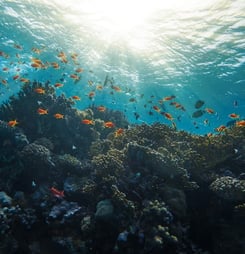
The Great Barrier Reef, stretching more than 2,300 kilometers along Queensland’s coast, is the largest coral reef system on Earth and can be seen from space.
It supports over 1,500 species of fish, around 400 species of coral, six of the world’s seven species of marine turtles, and extensive seagrass meadows that are crucial feeding grounds for dugongs, making Queensland central to global marine conservation efforts.
Queensland Contains Two of the World’s Oldest Rainforests
Far North Queensland’s Wet Tropics rainforest includes forest types that trace their ancestry back more than 100 million years to the supercontinent Gondwana.
This region, which covers less than 0.2 percent of Australia’s land area, holds an estimated 30 percent of the continent’s marsupial species, 60 percent of its ferns, and more than 40 percent of its bird species, highlighting Queensland’s extraordinary concentration of ancient biodiversity.
Indigenous Language Diversity Across the State
Before colonization, the area now known as Queensland was home to one of the greatest concentrations of Aboriginal and Torres Strait Islander languages in Australia, with researchers estimating around 90 distinct languages and many more dialects.
Although many have been endangered or lost, revitalization programs run by Queensland Indigenous communities and language centers are helping to document vocabularies, support school teaching, and reintroduce traditional place names.
Torres Strait Islanders’ Sea Country and Customary Navigation
Northern Queensland includes the Torres Strait, where Torres Strait Islanders developed complex seafaring cultures centered on “sea country,” with customary laws governing access to reefs, fisheries, and sacred sites.
Islanders used detailed knowledge of currents, winds, stars, and tidal movements to navigate between more than 270 islands, and contemporary legal recognition of sea rights in cases such as Akiba v Commonwealth has affirmed the ongoing importance of these traditions.
From Penal Outpost to Pastoral Powerhouse
The area that became Queensland began as the remote Moreton Bay penal settlement in the 1820s, reserved for secondary offenders from New South Wales.
After the penal station closed in 1839 and free settlement was allowed, pastoralists rapidly expanded sheep and cattle runs into the interior, helped by the introduction of steam navigation and later railways, turning Queensland within a few decades into a major exporter of wool, meat, and hides within the British Empire.
A Federation-State Built on Immigration and the “Pacific Island Labourers” Trade
Following its establishment as a separate colony, Queensland’s economy relied heavily on migrant labor, including large numbers of British and European settlers and more than 60,000 Pacific Islanders brought mainly to work in the sugar industry between the 1860s and early 1900s.
Many of these Islanders were recruited under exploitative conditions, a practice now acknowledged as “blackbirding,” and their descendants, known as Australian South Sea Islanders, remain a distinct cultural community within Queensland today.