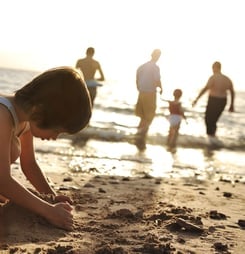

Walk in the Sand Day brings people to sandy shores worldwide, inviting everyone to slow down and savor the simple act of walking barefoot on the beach.
This day connects nature lovers and outdoor enthusiasts as they explore the calming, restorative experience of the sand beneath their feet.
Walking in the sand does more than energize the body. It also shifts the mind into a calmer gear, partly because the beach naturally asks for attention. The ground is always changing, the air tends to be salty and brisk, and the horizon is wide enough to make everyday problems feel a little smaller.
As people stroll along the shoreline, the sounds of waves and seabirds create a steady backdrop that many find soothing.
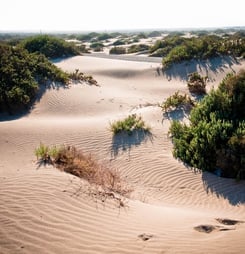
There is also something surprisingly “new” about sand, even for people who have been to the beach countless times. It changes temperature from shade to sun. It shifts from powdery dunes to packed shoreline. It holds patterns made by wind and water like temporary artwork.
Walking without shoes encourages a different kind of awareness because the feet are doing what they were designed to do: sense the terrain. That direct contact can feel playful, nostalgic, and grounding all at once.
Sand walking also tends to change posture and pace. Soft, dry sand makes each step a bit less predictable, which can encourage smaller strides and a more mindful rhythm.
Firmer sand near the waterline can feel smoother and more stable, making it easier to settle into a steady walk. Either way, the experience often becomes less about “getting somewhere” and more about being present, one footprint at a time.
Just as importantly, Walk in the Sand Day is a gentle reminder that beaches are living environments, not just pretty scenery. Tides, storms, and seasonal shifts reshape coastlines constantly.
Plants stabilize dunes. Small creatures leave tracks that tell stories. When people take time to walk thoughtfully, they often notice these details and feel more invested in caring for them.
How to Celebrate Walk in the Sand Day
There are many fun ways to get the most out of Walk in the Sand Day. Here are a few lively ideas that turn a simple beach stroll into something special.
Barefoot Bliss
Leave your shoes behind and experience the beach the way it was meant to be felt. Walking barefoot lets you notice the warmth and softness of dry sand, which many people compare to a gentle foot massage. Others enjoy the smooth, cool surface near the water where the waves have packed the sand into a firm path. Exploring both textures makes the walk more engaging.
You can turn the stroll into a simple “surface sampler.” Begin on loose, dry sand, then gradually move toward the shoreline where the ground is more compact. Pay attention to how your body responds. Soft sand makes your ankles and calves work harder to keep balance, while firmer sand allows for an easier, steadier stride.
A few practical tips help keep the experience comfortable:
- Choose areas that appear free of sharp shells, litter, or debris.
- If the sand feels too hot, walk closer to the damp shoreline or go earlier in the morning or later in the evening.
- Rinse your feet afterward and apply moisturizer if needed, since salt and sun can dry the skin.
If you are new to barefoot walking, start with a short distance. The goal is to relax and enjoy the sensation. Bringing lightweight sandals is also a smart option so you can switch if the conditions change.
Shoreline Clean-Up
Add purpose to your walk by collecting litter along the way. Picking up even a small amount of trash helps protect wildlife and keeps the beach looking its best.
Items like bottle caps, food packaging, fishing line, and small plastic pieces can easily be mistaken for food by birds and marine animals. Removing them quickly reduces the risk of harm and preserves the natural beauty of the coastline.
To keep the clean-up easy and relaxed:
- Carry a small bag, bucket, or reusable container.
- Wear gloves or use a grabber for anything sharp or questionable.
- Sort recyclables when possible and dispose of everything properly afterward.
This activity works especially well with friends or family. It gives everyone a shared purpose while still leaving plenty of time to talk, enjoy the scenery, and feel connected to the environment.
Scenic Photo Scavenger Hunt
Turn the beach walk into a visual treasure hunt by photographing interesting details. Look for unique shells, driftwood shapes, bird tracks, tide pool patterns, wave textures, or creative sandcastles.
A scavenger-style approach encourages people to slow down and observe closely. What first looks like an endless stretch of sand quickly reveals layers of detail and variety.
Whenever possible, focus on photographing rather than collecting. Many coastal areas are delicate ecosystems, and shells or stones often play a role in the habitat. A photo captures the memory without disturbing the environment.
Sharing photos afterward often reveals different perspectives. One person may capture reflections on the water, another notices tiny animal tracks, while someone else focuses on clouds or color. The beach offers endless inspiration for curious observers.
Sand Art Challenge
Get creative by drawing designs, patterns, or messages directly in the sand using your hands or a simple stick.
One of the joys of sand art is that it is temporary. Wind and waves eventually smooth everything away, which removes the pressure to make it perfect. People feel free to experiment with spirals, symbols, large letters, playful sketches, or intricate geometric designs.
You can also enhance the artwork using natural materials:
- Outline shapes with shells, pebbles, or seaweed.
- Create simple mosaics with different shades of sand.
- Rake lines for a calm, zen-like pattern.
This activity can easily become collaborative. One person sketches the outline, another adds texture, and someone else completes the details. Taking a photo preserves the creation before nature reshapes the canvas.
Sunset Picnic
End the day with a peaceful picnic as the sun lowers over the water. Simple food often tastes better with ocean air and the sound of waves nearby.
The meal does not need to be elaborate. Fresh fruit, sandwiches, crackers, and a cool drink are more than enough to create a relaxed, satisfying moment by the shore.
A few small preparations make it easier:
- Bring a blanket or towel that can be shaken free of sand.
- Pack out all waste, including small wrappers and food scraps.
- Wear layers in case the temperature drops as evening approaches.
As the sun sets, the beach takes on a different character. The light softens, the sand turns golden, and reflections shimmer across the water. It is a calm, memorable way to close the day and enjoy the quiet beauty of the coast.
History of Walk in the Sand Day
Walk in the Sand Day began in 2012, created by Patti Jewel, a beach enthusiast and environmental advocate. She aimed to share the joy and benefits of walking on sand while encouraging appreciation for beaches and the need to care for them.
The concept was designed to be accessible: no special gear, no complicated rules, and no barrier to entry beyond finding a sandy shoreline.
Part of the day’s appeal is that it takes a familiar place, the beach, and reframes it as an experience worth savoring on purpose. Many people visit beaches with an agenda: swimming, sunbathing, sports, sightseeing, or simply passing through.
Walk in the Sand Day spotlights a quieter activity that can fit around any of those plans, or stand alone as its own refreshing ritual.
The day encourages people worldwide to unite through a simple act, walking on sandy shores. That simplicity is also what makes it adaptable.
Some participants prefer a silent solo stroll. Others turn it into a social gathering with family, friends, or community groups. Some combine it with a clean-up effort, recognizing that beach enjoyment and beach stewardship go hand in hand.
Over time, the idea grew beyond a single person’s enthusiasm into a broader invitation: appreciate coastal environments not as backdrops, but as dynamic, living landscapes. Beaches are shaped by tides and weather, and they provide habitat for plants and animals that can be surprisingly easy to overlook.
A slow walk encourages noticing the details, such as dune grasses anchoring the sand, small holes and tracks left by crabs, and the constantly changing line where water meets shore.
The beach walk also serves as a reminder that not all sand is the same. Some coastlines have fine, pale sand that squeaks underfoot. Others have darker, heavier grains, or even tiny pebbles mixed in.
Those differences come from local geology and wave patterns, and noticing them can make each beach feel like its own distinct character rather than a generic setting.
The sensation alone awakens new energy, as dry sand provides a soft challenge, strengthening legs and encouraging a gentle pace. Near the water, firmer sand offers a more brisk, steady walk that many people find easier on the body than pounding along hard pavement.
The shifting surface naturally invites the walker to pay attention, adjusting stride length, planting the foot more carefully, and staying aware of the ground.
At the same time, Walk in the Sand Day carries a quiet environmental message. Beaches collect what the ocean carries, including human-made debris. They also face pressures from erosion, pollution, and heavy use.
By inviting people to slow down and truly experience the shoreline, the day subtly encourages better beach habits: leaving no trace, respecting wildlife, staying off sensitive dunes, and helping keep the sand free of litter.
In the end, Walk in the Sand Day is a celebration of the beach as a place where mind and body can recharge. It highlights how something as ordinary as a walk can become memorable when the setting is alive with sound, texture, and open space.
With every step, participants get a small, sensory reminder of why coastal landscapes matter and why they are worth protecting.
Why Walking on Sand Is a Different Kind of Workout
Walking on sand may feel relaxing, but beneath the surface it challenges your body in ways that pavement never does.
From activating stabilizing muscles and increasing calorie burn to reducing joint impact near the shoreline, beach walking offers a unique blend of fitness and gentle support.
These facts highlight how different sand surfaces affect your muscles, energy use, and overall movement.
Barefoot Sand Walking Works Different Muscles Than Pavement
Because each step sinks and shifts, walking on soft, dry sand makes the small stabilizing muscles in the feet and ankles work much harder than they do on firm ground.
Studies summarized for clinicians report that sand walking can require more energy and muscular effort than walking on a hard surface, which helps strengthen the calves, ankles, and intrinsic foot muscles but can also fatigue them more quickly.
Soft Sand Can Dramatically Increase Calorie Burn
Exercise physiologists note that moving across soft sand can demand roughly 1.5 to 2 times the energy of walking on a firm surface at the same speed and distance.
This higher effort comes from the way feet sink and slip, forcing leg muscles to push off repeatedly from an unstable base and turning even a slow beach stroll into a more intense workout.
Wet, Firm Sand Is Gentler on Joints
Healthcare providers often recommend firmer, wet sand near the waterline for people with knee, hip, or back issues, because it absorbs impact better than concrete yet does not let the foot sink as deeply as dry sand.
This combination reduces pounding on the joints while still engaging muscles, which can make shoreline walking a useful low‑impact option for some people when done in moderation.
Beach Walking Stimulates Balance and Proprioception
Physical therapy guidance points out that sand’s constantly changing surface challenges the body’s balance systems in a way that flat sidewalks do not.
As the foot adjusts to slopes, hollows, and shifting grains, nerves in the feet and ankles send extra feedback to the brain, helping train proprioception and coordination that can be useful for everyday stability and fall prevention.
Coastal “Blue Spaces” Are Linked With Better Mental Health
Large studies in environmental psychology have found that people who spend more time in “blue spaces,” such as seas and coasts, generally report better mental well‑being than those who do not.
Research from European and international cohorts suggests that the combination of sounds, views, and fresh air near the ocean can lower stress and improve mood, which helps explain why a simple shoreline walk often feels restorative.
Natural Sounds of Waves Can Calm the Nervous System
Experiments comparing different soundscapes show that recordings of ocean waves and other natural water sounds tend to reduce markers of stress and support relaxation more than typical urban noise.
Participants exposed to coastal sounds often experience lower heart rates and self‑reported anxiety, suggesting that the sound environment of a beach walk contributes measurably to its soothing effect.
Sandy Beaches Are Critical Habitat for Shoreline Wildlife
Far from being empty playgrounds, sandy shores support nesting sites for sea turtles and birds, burrowing invertebrates, and specialized plants that stabilize dunes.
Coastal management agencies note that undisturbed sand and dune systems help buffer inland areas from storms and erosion while providing feeding and breeding grounds for many species that depend on the narrow strip where land meets sea.