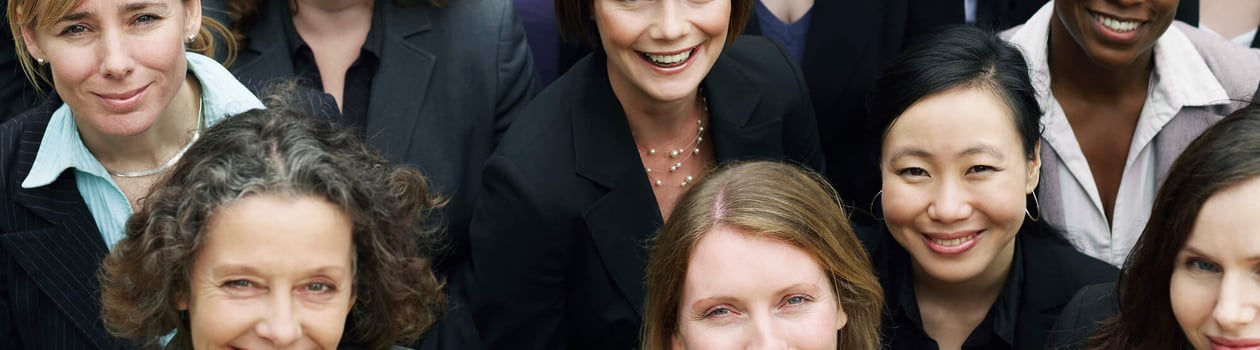
Mother, sisters, wives, girlfriends, and fiancees…what would we ever do without them?
Nobody can honestly say we don’t owe an enormous amount to the women in our lives, from the mothers who made us chicken soup when we were sick as children, to the sisters who helped us decide what to wear on our first date, to the wives who somehow manage to juggle both a career and a family, never missing a beat.
International Women’s Day is all about celebrating these incredible people and showing them how much we love, respect and value them.
This day is perhaps especially important in parts of the world where women are still forced to deal with shocking inequality on a daily basis and is meant to raise awareness of the challenges and struggles faced by these women.
Women’s Day celebrates women’s history, highlighting key events, milestones, and achievements, and aims to further promote and raise awareness of women’s rights and to achieve equal opportunity status in all walks of life.
How to Celebrate International Women’s Day
There are many ways that you can go about celebrating this holiday, but all of them have a similar goal: to raise awareness about the struggles of women the world over and honor their achievements.
Honor Women’s Achievements
Of course, not all achievements are huge, worldwide game-changers like women finally obtaining the right to vote—there are all sorts of other, smaller feats that women you know manage on an everyday basis that you may not pay too much attention to until you try calming 2 crying toddlers, making dinner and explaining the particulars of a newly-acquired client to your boss over the phone at the same time.
This may sound ridiculously hard to pull off, but this is something thousands of women pull off every day, something that should be deeply appreciated and something that nobody should take for granted.
Grand gestures aren’t necessarily required to show appreciation, either—sometimes a simple “thank you, I have no idea how you do it” is enough to lift an overworked woman’s spirits!
Focus On Women’s Rights
If you’d like to do something more, though, there is a virtually endless amount of things you can do to help improve women’s lives the world. Attend one of the 1000+ events organized globally where you can learn about what women’s lives are like in different countries and make a donation to the event you attend.
Reading books is also a great way of broadening your horizons, and biographies of women like fearless Somalian women’s rights activist Ayaan Hirsi Ali will definitely open your eyes and inspire you to see women’s lives and problems completely differently.
It’s no secret that women’s rights have evolved greatly. However, things could still be a lot better! People such as Malala Yousafzai, a young activist for female education in Pakistan. Her story, I am Malala, describes her fight for education as a woman in Pakistan, and the dramatic consequences of her activism.
Targeted by a Taliban’s assassination, Malala was shot in 2012. She was transported to different hospitals before being rushed to the UK, where she was treated and survived her injuries.
Her autobiography is an eye-opening shockwave that will make you aware of the struggles that many women continue to face. Nowadays, Malala is a student at the world famous University of Oxford in the UK!
Broadening your horizons on Women’s Day to understand the differences between countries and how women are treated in the world can offer a new appreciation for women.
Let Malala’s story inspire you to attend events or support more initiatives to help women. Why not keep your eyes open for books like Malala’s autobiography that share the experience of women in different cultures?
Support a Woman on International Women’s Day
Have you ever stopped to consider what it means to be a woman? Aside from the biological definition, there is a lot that goes into defining, feeling, experiencing and celebrating womanhood on Women’s Day.
No, it doesn’t have to be a philosophical debate about what makes a woman who she is! But in a day and age where gender issues and gender roles are being questioned, it’s only fair to broaden your perception of what a woman can be and do.
Therefore, Women’s Day is a day to be embraced with an open mind. Question your assumptions about what people can and can’t do based on gender. Why not support a female friend to follow her dreams?
Spend Time with Unique Women
What makes her a woman? Women, such as Anne Lister, have chosen to define their womanhood on their own terms.
During the 19th century in England, Anne Lister, also nicknamed Gentleman Jack, took part in activities that were otherwise reserved to men and also ran typically men’s businesses.
She also chose to marry another woman, and lived with her, despite not receiving any legal recognition. Gentleman Jack cultivated her free spirit without compromising, which her autobiography, Gentleman Jack, reveals.
Another autobiography that enhances the definition of being a woman is Trans, a Memoir, by Juliet Jacques.
Spend A Day In Her Shoes On International Women’s Day
Challenges exist in different shapes. It’s something Nicole Byers, the bubbly “Nailed It” presenter on Netflix knows well. Her podcast, Why Won’t You Date Me, describes with humor her quest for love and the modern expectations that society has for women.
The sweet dreams of childhood are nothing like the harsh reality, like the podcast Stuff Mom Never Told You explains. Spend the day listening to the stories of everyday women, who could be your sister, your mother, or your wife.
Facts About International Women’s Day
Women’s education has expanded dramatically, yet gaps persist
Globally, women’s educational attainment has risen so fast that in most regions young women are now as likely as or more likely than young men to complete tertiary education, yet girls still account for about 54 percent of the 250 million children out of school in crisis‑affected countries and remain disproportionately excluded at the upper secondary level in low‑income nations.
Women’s political power is growing, but far from parity
By 2025 women held just over 26 percent of seats in national parliaments worldwide, and only around a quarter of ministerial posts, with the World Economic Forum estimating that at current rates it will take roughly 169 years to close the global “political empowerment” gender gap.
The global gender gap could take more than a century to close
The World Economic Forum’s Global Gender Gap Report 2024 calculates that the world is only about 68.5 percent of the way to full gender parity across economic participation, education, health, and political power, projecting roughly 134 years before the gap closes if progress continues at the current pace.
Women’s unpaid care work underpins the world economy
Time‑use surveys show that women perform more than three‑quarters of all unpaid care and domestic work globally, and in many countries spend two to three times as many hours as men on tasks like cooking, cleaning, and caregiving, depressing their earnings and labor‑force participation despite its enormous economic value.
Property and inheritance laws have long constrained women’s autonomy
Until the late 19th and 20th centuries, many legal systems treated married women as “covered” by their husbands, barring them from owning property or signing contracts, and even today more than 40 percent of economies still give sons and daughters unequal inheritance rights, which directly limits women’s ability to build and transfer wealth.
A handful of countries have achieved near parity in corporate leadership
While women hold only about 32 percent of managerial positions worldwide, a small group of economies such as Iceland, Norway, and Sweden have come close to closing the management gap, helped by policies like paid parental leave for both parents and publicly funded childcare that make leadership roles more accessible to women.
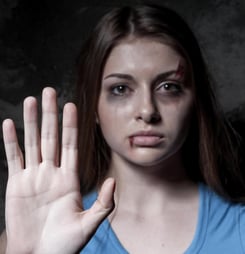
Violence against women remains a pervasive global problem
Worldwide, an estimated 27 percent of ever‑partnered women aged 15–49 have experienced physical or sexual violence from an intimate partner, a rate that has remained stubbornly high for years and cuts across income levels, regions, and cultures despite growing recognition of women’s rights.
International Women’s Day FAQs
History of International Women’s Day
It may come as a rather sad surprise that International Women’s Day was first celebrated on February 28th, 1909 in New York.
Two years later, German socialist Luise Zietz proposed that the holiday become an annually observed one that would celebrate various women’s issues, such as suffrage, so as to promote equal rights for women.
The first few International Women’s Days were celebrated in a quite different fashion than they are nowadays, with hundreds of demonstrations taking place in Europe. During these demonstrations, women demanded they finally be given both the right to vote and to hold public office.
Employment sex discrimination was also an important issue. In 1917, the International Women’s Day demonstrations in Saint Petersburg, Russia, helped initiate the February Revolution, when women marched through the city demanding an end to World War I.
This shocked even Leon Trotsky, who, much like other Russian leaders of the day, did not expect the Women’s Day protests to cause that much of a stir. Until 1977, Women’s Day was celebrated mainly in socialist countries.
It was only after the United Nations General Assembly’s decision to proclaim March 8th International Women’s Day that the holiday gained worldwide popularity.
International Women’s Day Timeline
Seneca Falls Convention
The first convention held in the United States in support of Women’s Rights, this New York meeting, held in July, signaled the beginning of the Women’s Suffrage Movement.
First Women’s Day in the United States
National Women’s Day begins in the United States, prompted by a growing movement toward women’s rights. It’s organized by the Socialist Party of America and celebrated on a Sunday so working women can participate.
International Conference of Working Women in Copenhagen
The idea for an international day acknowledging women is brought forth by Clara Zetkin, a German political leader. This suggestion is approved by more than 100 women from 17 different countries.
First International Women’s Day Observed
More than 1 million women and men throughout Austria, Switzerland, Germany and Denmark, attend various rallies.
Russian Women Celebrate
Just prior to the outbreak of World War I, Russians celebrate International Women’s Day. It is agreed to celebrate annually on March 8 (by the Gregorian Calendar).
Russian Women’s Day Leads to Women’s Right to Vote
Feminist demonstrations in Russia are part of a chain of events that lead to the abdication of the Czar and the Russian Revolution, ultimately resulting in the right to vote for women.
Some Women in England Gain Right to Vote
Women in England over the age of 30 with property qualifications receive the right to vote (men qualify beginning at ages 19-21).
American Women Earn Right to Vote
After many attempts, the 19th Amendment to the US Constitution is finally passed.
England Adopts Equal Voting Rights
English women earn the same access to voting as men.
United Nations Recognizes Equality
The Charger of the UN becomes the first international agreement to state equality between women and men.
United Nations First Acknowledges International Women’s Day
IWD is first celebrated by the UN.
UN General Assembly Adopts Women’s Day Resolution
The UN calls Member States to observe a “United Nations Day for Women’s Rights and International Peace” on any day of their choosing throughout the year.
Women’s Day Goes Online
In need of a reboot after having lost momentum over the last decades of the 20th century, the International Women’s Day Movement launches online. The website helps with women’s campaigns and leads out in raising money for charities that impact equality for women.