Woolworth’s Day
Woolworth’s Day is a lively celebration that brings back the charm of the iconic “Five and Dime” stores.
This special day honors the legacy of Frank W. Woolworth, the entrepreneur who changed retail shopping forever!
How to Celebrate Woolworth’s Day
Visit a Vintage Woolworth’s Store
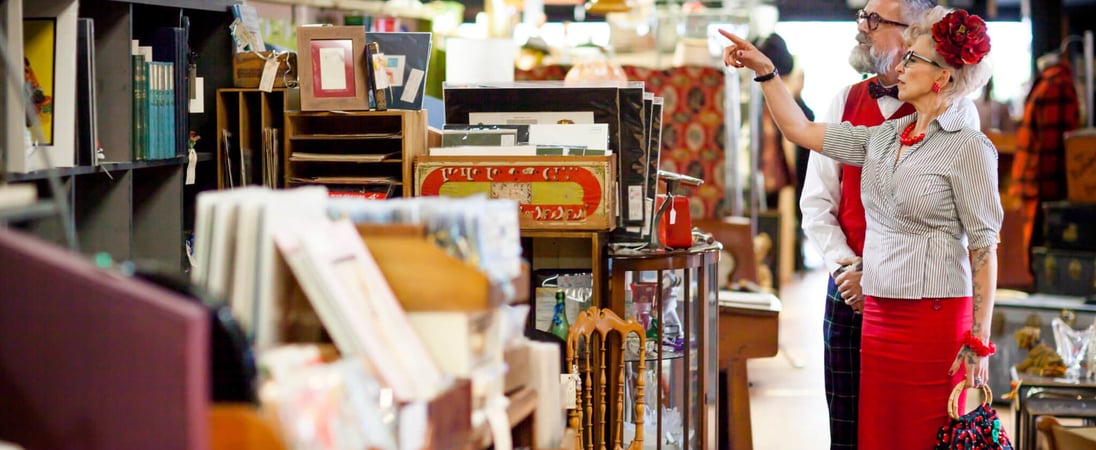
Dive into nostalgia by visiting a remaining vintage Woolworth’s store. Wander through aisles and explore the charm of old-time shopping.
Reminisce about the past and discover hidden treasures that bring back fond memories.
Host a 1950s-themed Party
Throw a fun 1950s-themed party to celebrate Woolworth’s Day.
Encourage guests to dress up in vintage attire, complete with poodle skirts and leather jackets, then serve classic treats like milkshakes, burgers, and soda floats to keep the retro vibe alive.
Create DIY Projects
Get crafty and create a DIY project using items reminiscent of Woolworth’s era. Make a scrapbook, craft jewelry, or design home decor pieces.
Let that creativity flow and share your unique creations with friends and family!
Share Memories on Social Media
Join the online celebration by sharing your favorite Woolworth’s memories on social media.
Connect with others who remember the iconic stores by posting old photos, stories, or even vintage advertisements to spark conversations.
Watch Movies Featuring Woolworth’s Stories
Host a movie night featuring films set in or inspired by Woolworth’s stores. Enjoy classics like “Pleasantville” or “Big Fish” that capture the spirit of the era.
Pop some popcorn and enjoy a cozy, nostalgic evening with loved ones!
Why Celebrate Woolworth’s Day?
Frank W. Woolworth’s idea of selling items for just five and ten cents made shopping accessible to many people. The day invites us to remember these stores fondly and appreciate their impact on our shopping habits.
The celebration of Woolworth’s Day goes beyond nostalgia. It marks the pioneering spirit of Frank W. Woolworth, who introduced fixed prices and self-service in his stores.
These concepts were revolutionary at the time and paved the way for modern retail stores. This day reminds us of how one man’s innovative ideas can transform an industry and make shopping easier and more enjoyable for everyone.
Woolworth’s Day also commemorates the social contributions of the Woolworth brand. Notably, a Woolworth’s lunch counter became a key site during the Civil Rights Movement, where courageous sit-ins took place. This event highlighted the fight against racial segregation and brought attention to social justice issues.
Celebrating this day helps us honor these significant moments in history and the positive changes they inspired.
History of Woolworth’s Day
Woolworth’s Day started to honor the famous “Five and Dime” stores created by Frank W. Woolworth. The first store opened in 1879 in New York. This event marked the beginning of a retail revolution. Woolworth’s idea was to sell all items for five or ten cents, which was a novel concept at the time.
Frank Woolworth was a young entrepreneur with a big vision. His stores became popular quickly, leading to the opening of more locations.
By the early 20th century, Woolworth’s stores were found in many cities. These stores changed the way people shopped by introducing fixed prices and self-service.
The idea for Woolworth’s Day came from those who wanted to remember and celebrate these stores’ impact. This day is not just about remembering a store; it honors an innovative business model and a significant part of retail history.
It also highlights the role Woolworth played in social changes, like the famous sit-ins during the Civil Rights Movement.
Facts About Woolworth’s Day
Nickels and Dimes Built a Skyscraper
Frank W. Woolworth reportedly paid the $13.5 million cost of New York’s Woolworth Building in cash, and contemporary accounts loved to point out that the “Cathedral of Commerce” was financed from customers’ nickels and dimes spent in his variety stores.
The 792‑foot tower opened in 1913 as the world’s tallest building and a bold symbol of what mass retail profits could make possible.
How Woolworth’s Fixed Prices Changed Everyday Shopping
Before five‑and‑dime stores, American shoppers commonly haggled over prices or relied on clerks for every transaction.
Woolworth’s standardized low prices and clearly marked merchandise let customers browse and decide without bargaining, helping to normalize the fixed‑price, self‑service model that later department stores and supermarkets adopted nationwide.
Variety Stores Helped Democratize Consumer Goods
Woolworth‑style variety stores bought directly from manufacturers and sold inexpensive household items, toys, and notions to clerks, factory workers, and farmers who previously might have gone without.
Historians of retail credit this model with helping to “democratize” consumption in the early 20th century by making mass‑produced goods affordable to people of modest incomes.
Lunch Counters Became a Civil Rights Battleground
On February 1, 1960, four Black college students sat at a whites‑only Woolworth lunch counter in Greensboro, North Carolina, and politely requested service.
Their refusal to leave when denied sparked a six‑month sit‑in campaign that inspired similar protests across the South and pressured chain retailers to desegregate public eating areas inside their stores.
Economic Pressure Helped Desegregate a Woolworth Store
The Greensboro sit‑ins were not only a moral challenge but also an economic one.
The U.S. Census Bureau notes that the local Woolworth store reportedly lost about $200,000 in sales during the 1960 protests, a financial hit that contributed to the decision to integrate the lunch counter on July 25, 1960, when Black customers were finally served there for the first time.
From Five‑and‑Dime Chain to Foot Locker
The original F. W. Woolworth Company closed its remaining U.S. variety stores in 1997 after more than a century in business, but the corporate shell survived by pivoting into specialty retail.
Having acquired the Kinney shoe chain decades earlier, the company ultimately rebranded itself as Foot Locker, Inc., so the modern athletic footwear giant traces its roots back to the old five‑and‑dime enterprise.
Greensboro’s Woolworth Is Now a Civil Rights Museum
The Greensboro, North Carolina Woolworth building where the 1960 sit‑ins began no longer operates as a store.
It now houses the International Civil Rights Center & Museum, which preserves the original lunch counter site and interprets its role in the wider struggle against segregation for visitors from around the world.
Woolworth’s Day FAQs
How did Woolworth’s “five-and-dime” model change everyday shopping?
The Woolworth model helped shift shopping from bargaining to clearly marked, fixed prices and low, standardized costs, which made it easier for ordinary customers to compare value and shop without haggling.
By buying in large volumes directly from manufacturers and selling a wide variety of small goods at set low prices, Woolworth stores helped normalize self-service browsing and the idea that national chains could offer the same items and prices in many towns, a pattern echoed later in discount and dollar stores.
Were all items in a five-and-dime store really only five or ten cents?
Early Woolworth stores focused on goods priced at a nickel or a dime, but the strict five‑ and ten‑cent limit did not last.
As costs, product ranges, and customer expectations changed, the company gradually added higher priced items while still marketing itself as a value-focused variety store, a pattern that many similar chains also followed.
What made the Woolworth lunch counter important in the Civil Rights Movement?
The Woolworth lunch counter in Greensboro, North Carolina, became a national symbol of the fight against segregation after four Black college students sat down at the whites‑only counter on February 1, 1960, and politely asked to be served.
Their refusal to leave when denied service helped launch a wider sit‑in movement across the American South, which put economic and moral pressure on segregated businesses and contributed to the eventual desegregation of lunch counters and other public accommodations.
How did the Greensboro sit-ins affect Woolworth’s business and policies?
The sit-ins and resulting boycotts at the Greensboro Woolworth store led to months of negative publicity and significant sales losses.
Under this pressure, the company desegregated its Greensboro lunch counter in July 1960, when Black employees were among the first Black customers to be served there, illustrating how coordinated nonviolent protest and consumer action could force a national retailer to change discriminatory practices.
Did Woolworth-style variety stores exist outside the United States?
Yes. The Woolworth company expanded internationally in the early twentieth century, including into Great Britain and Ireland, and its basic formula of low‑priced variety goods in a chain format influenced similar stores in other countries.
While individual brands and corporate histories differed, the core ideas of fixed low prices, centralized buying, and broad assortments of small household and personal items became a common feature of high‑street and main‑street retail in many parts of the world.
How did Woolworth’s early innovations influence modern chain retailers?
Woolworth’s use of standardized store layouts, centralized purchasing, and national advertising helped establish the template for later chain retailers.
The company demonstrated that large-scale coordination of many outlets, each offering a similar mix of affordable goods and a familiar shopping experience, could create powerful economies of scale, an approach that later big-box, dollar, and fast‑fashion chains built on and adapted to new markets and technologies.
Why are Woolworth buildings and lunch counters often preserved as historic sites?
Many former Woolworth locations, especially those connected to civil rights sit‑ins, are preserved because they offer tangible places to interpret both retail history and social change.
Historic designations highlight how an everyday commercial setting, such as a lunch counter inside a variety store, became a stage for challenges to segregation and a symbol of broader struggles over who could participate fully in public life.
Also on ...
View all holidays
National Margarita Day
Transport yourself to a sunny beach with this delicious, refreshing drink that perfectly blends sweet and sour flavors. Cheers!


Single Tasking Day
Ever notice how tackling one thing at a time feels like cruising down an open road instead of gridlocked traffic?

World Yoga Day
Twist, stretch, breathe in and out, feel the stress melt away, feel the joy flowing in — journey towards a better version of yourself.
We think you may also like...

Independent Bookstore Day
Independent bookstores are struggling more and more with competition like Amazon or big chains like Barnes & Noble, so make a point to support your local shop.

National Buy a Book Day
Whether you have three shelves of books TBR or haven’t cracked a spine in years, go ahead and buy a book to improve your mind. Consider donating old books for others.