
Woolworth’s Day is a lively celebration that brings back the charm of the iconic “Five and Dime” stores.
This special day honors the legacy of Frank W. Woolworth, the entrepreneur who changed retail shopping forever!
How to Celebrate Woolworth’s Day
Visit a Vintage Woolworth’s Store
Dive into nostalgia by visiting a remaining vintage Woolworth’s store. Wander through aisles and explore the charm of old-time shopping.
Reminisce about the past and discover hidden treasures that bring back fond memories.
Host a 1950s-themed Party
Throw a fun 1950s-themed party to celebrate Woolworth’s Day.
Encourage guests to dress up in vintage attire, complete with poodle skirts and leather jackets, then serve classic treats like milkshakes, burgers, and soda floats to keep the retro vibe alive.
Create DIY Projects
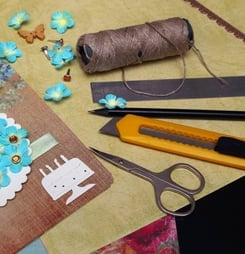
Get crafty and create a DIY project using items reminiscent of Woolworth’s era. Make a scrapbook, craft jewelry, or design home decor pieces.
Let that creativity flow and share your unique creations with friends and family!
Share Memories on Social Media
Join the online celebration by sharing your favorite Woolworth’s memories on social media.
Connect with others who remember the iconic stores by posting old photos, stories, or even vintage advertisements to spark conversations.
Watch Movies Featuring Woolworth’s Stories
Host a movie night featuring films set in or inspired by Woolworth’s stores. Enjoy classics like “Pleasantville” or “Big Fish” that capture the spirit of the era.
Pop some popcorn and enjoy a cozy, nostalgic evening with loved ones!
Why Celebrate Woolworth’s Day?
Frank W. Woolworth’s idea of selling items for just five and ten cents made shopping accessible to many people. The day invites us to remember these stores fondly and appreciate their impact on our shopping habits.
The celebration of Woolworth’s Day goes beyond nostalgia. It marks the pioneering spirit of Frank W. Woolworth, who introduced fixed prices and self-service in his stores.
These concepts were revolutionary at the time and paved the way for modern retail stores. This day reminds us of how one man’s innovative ideas can transform an industry and make shopping easier and more enjoyable for everyone.
Woolworth’s Day also commemorates the social contributions of the Woolworth brand. Notably, a Woolworth’s lunch counter became a key site during the Civil Rights Movement, where courageous sit-ins took place. This event highlighted the fight against racial segregation and brought attention to social justice issues.
Celebrating this day helps us honor these significant moments in history and the positive changes they inspired.
History of Woolworth’s Day
Woolworth’s Day started to honor the famous “Five and Dime” stores created by Frank W. Woolworth. The first store opened in 1879 in New York. This event marked the beginning of a retail revolution. Woolworth’s idea was to sell all items for five or ten cents, which was a novel concept at the time.
Frank Woolworth was a young entrepreneur with a big vision. His stores became popular quickly, leading to the opening of more locations.
By the early 20th century, Woolworth’s stores were found in many cities. These stores changed the way people shopped by introducing fixed prices and self-service.
The idea for Woolworth’s Day came from those who wanted to remember and celebrate these stores’ impact. This day is not just about remembering a store; it honors an innovative business model and a significant part of retail history.
It also highlights the role Woolworth played in social changes, like the famous sit-ins during the Civil Rights Movement.
Facts About Woolworth’s Day
Nickels and Dimes Built a Skyscraper
Frank W. Woolworth reportedly paid the $13.5 million cost of New York’s Woolworth Building in cash, and contemporary accounts loved to point out that the “Cathedral of Commerce” was financed from customers’ nickels and dimes spent in his variety stores.
The 792‑foot tower opened in 1913 as the world’s tallest building and a bold symbol of what mass retail profits could make possible.
How Woolworth’s Fixed Prices Changed Everyday Shopping
Before five‑and‑dime stores, American shoppers commonly haggled over prices or relied on clerks for every transaction.
Woolworth’s standardized low prices and clearly marked merchandise let customers browse and decide without bargaining, helping to normalize the fixed‑price, self‑service model that later department stores and supermarkets adopted nationwide.
Variety Stores Helped Democratize Consumer Goods
Woolworth‑style variety stores bought directly from manufacturers and sold inexpensive household items, toys, and notions to clerks, factory workers, and farmers who previously might have gone without.
Historians of retail credit this model with helping to “democratize” consumption in the early 20th century by making mass‑produced goods affordable to people of modest incomes.
Lunch Counters Became a Civil Rights Battleground
On February 1, 1960, four Black college students sat at a whites‑only Woolworth lunch counter in Greensboro, North Carolina, and politely requested service.
Their refusal to leave when denied sparked a six‑month sit‑in campaign that inspired similar protests across the South and pressured chain retailers to desegregate public eating areas inside their stores.
Economic Pressure Helped Desegregate a Woolworth Store
The Greensboro sit‑ins were not only a moral challenge but also an economic one.
The U.S. Census Bureau notes that the local Woolworth store reportedly lost about $200,000 in sales during the 1960 protests, a financial hit that contributed to the decision to integrate the lunch counter on July 25, 1960, when Black customers were finally served there for the first time.
From Five‑and‑Dime Chain to Foot Locker
The original F. W. Woolworth Company closed its remaining U.S. variety stores in 1997 after more than a century in business, but the corporate shell survived by pivoting into specialty retail.
Having acquired the Kinney shoe chain decades earlier, the company ultimately rebranded itself as Foot Locker, Inc., so the modern athletic footwear giant traces its roots back to the old five‑and‑dime enterprise.
Greensboro’s Woolworth Is Now a Civil Rights Museum
The Greensboro, North Carolina Woolworth building where the 1960 sit‑ins began no longer operates as a store.
It now houses the International Civil Rights Center & Museum, which preserves the original lunch counter site and interprets its role in the wider struggle against segregation for visitors from around the world.
Woolworth’s Day FAQs



You may also like

National Cherry Pie Day
Indulge in the sweet taste of summer's finest fruit, baked to perfection in a flaky crust. This delicious dessert will leave you feeling warm and satisfied.
- Canada
- United Kingdom
- United States

Anne & Samantha Day
Anne & Samantha Day shines a light on two young girls whose voices continue to echo through time. Anne Frank, a Jewish teenager, documented her life in hiding during World War II in a diary that has touched millions. Samantha Smith, an American schoolgirl, reached out to Soviet leader Yuri Andropov...
- Netherlands
- United States

National Outlet Shopping Day
Celebrate National Outlet Shopping Day with deep discounts, top brands, and festive fun. Discover deals, explore new outlets, and share the thrill of saving together.
- United States

Bed-in for Peace Day
Bed-in for Peace Day honors a uniquely gentle form of protest popularized by John Lennon and Yoko Ono, who turned staying in bed into a headline-making plea for nonviolence. Instead of marching through streets or shouting into megaphones, they leaned into stillness. They used the world’s curiosity about celebrity life...
- United States
National days and holidays on February 22 2027

National Margarita Day
Transport yourself to a sunny beach with this delicious, refreshing drink that perfectly blends sweet and sour flavors. Cheers!
- Canada
- Mexico
- United Kingdom
- and 1 more

Real Bread Week
Real bread is a joy to behold! Made with natural ingredients and baked to perfection, each bite is a heavenly experience.
- United Kingdom

Ramadan
During this holy month, Muslims fast from sunrise to sunset, focusing on spiritual reflection and community. Ramadan is a time for self-improvement and bringing people together in celebration of faith.

Museums Advocacy Days
Museums Advocacy Days is an exciting event where museum professionals and supporters unite to highlight the importance of museums. This annual gathering is all about raising awareness and showing the crucial role museums play in our society! How to Celebrate Museum Advocacy Days Participants in Museum Advocacy Days engage in discussions...
- United States
Seize Every Day
Join free for personalised recommendations, email reminders and exclusive guides. Never miss a day.