
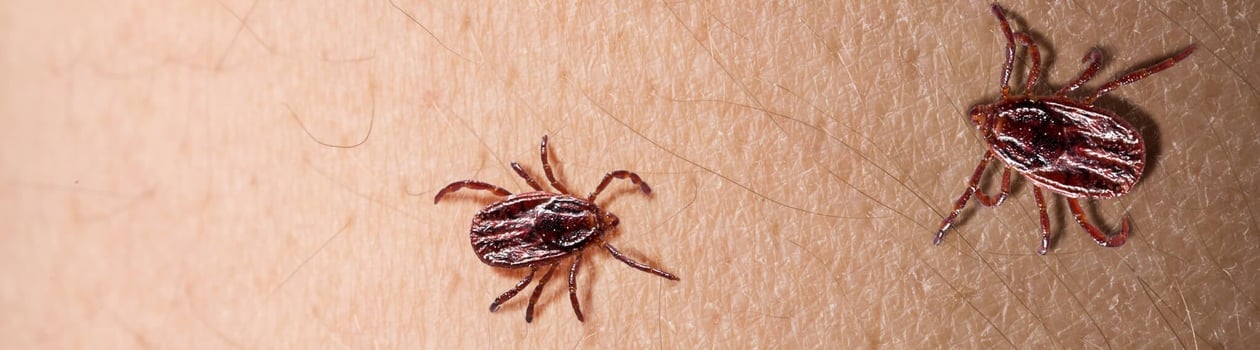
World Chagas Disease Day, observed annually, aims to raise awareness about Chagas disease. This condition poses a significant health threat but often goes unnoticed.
This event marks the date in 1909 when the first case of Chagas disease was diagnosed by the Brazilian physician Carlos Chagas.
It’s a moment to remember the fight against this disease, emphasizing the importance of early detection and treatment.
Celebrating World Chagas Disease Day helps to raise awareness of this ‘silent disease,’ encouraging actions for its prevention and treatment. It’s a call to the global community to increase awareness and mobilize resources to combat the disease effectively.
By focusing on detecting and treating Chagas disease and advocating for solutions to halt its spread, the day plays a crucial role in the global health agenda.
World Chagas Disease Day Timeline
Carlos Chagas Identifies Trypanosoma cruzi and First Human Case
Brazilian physician Carlos Chagas discovers a new trypanosome in triatomine bugs in 1908, then in 1909 links the parasite, later named Trypanosoma cruzi, to human disease by diagnosing two‑year‑old Berenice Soares de Moura, fully describing the pathogen, vector, and clinical syndrome.
Chagas Disease Established as Distinct Clinical Entity
Argentine physician Salvador Mazza and colleagues provide extensive clinical and epidemiological evidence from rural South America, confirming chronic cardiomyopathy and digestive disease as specific consequences of T. cruzi infection and solidifying Chagas disease as a major endemic condition.
Benznidazole and Nifurtimox Introduced as Antiparasitic Treatments
Nitroimidazole benznidazole and nitrofuran nifurtimox are developed and gradually adopted in Latin America as specific trypanocidal drugs, providing the first effective etiological treatments for acute and early chronic Chagas disease, though with significant toxicity and limited availability.
Southern Cone Initiative Launches Regional Vector Control
Argentina, Bolivia, Brazil, Chile, Paraguay, and Uruguay, with PAHO/WHO, launch the Southern Cone Initiative to eliminate domestic transmission by Triatoma infestans and improve blood screening, marking a coordinated public health effort that dramatically reduces new infections in the region.
WHO Includes Chagas Disease Among Neglected Tropical Diseases
The World Health Organization formally groups Chagas disease among neglected tropical diseases, highlighting its burden in impoverished populations and helping to mobilize international support for surveillance, vector control, access to diagnosis, and treatment research.
United States Implements Nationwide Blood Donor Screening for T. cruzi
Following recognition of transfusion‑transmitted risk from Latin American migrants, the U.S. Food and Drug Administration licenses the first T. cruzi antibody test for blood donors, leading to nationwide screening and sharply reducing the likelihood of transfusion‑related Chagas disease.
Global Burden and Migration Patterns Refocus Attention on Chagas Disease
A widely cited analysis in PLOS Neglected Tropical Diseases estimates millions of infections globally, including hundreds of thousands in non‑endemic countries, underscoring how migration has transformed Chagas disease into a worldwide public health concern beyond rural Latin America.
How to Celebrate World Chagas Disease Day
Celebrating World Chagas Disease Day offers an opportunity to increase awareness, encourage prevention, and provide support.
Here are some suggestions on how you can participate in this important day:
Join Online Events
Engage in online seminars or discussions focusing on challenges and advancements in combating Chagas disease. Such events often feature experts sharing valuable insights and research findings.
Use Social Media
Share facts, infographics, and educational videos about Chagas disease on social media platforms. This can help spread awareness to a broader audience and provide crucial information on prevention and treatment options.
Participate in Awareness Walks
Organize or join walks and runs dedicated to raising awareness about Chagas disease. These events are effective in drawing public attention and encouraging community involvement.
Educational Workshops
Attend workshops and lectures to educate yourself and others about the transmission, symptoms, and prevention of Chagas disease. Knowledge is a powerful tool in the fight against this disease.
Support Screening Campaigns
Support or volunteer in screening campaigns, especially in underserved areas. Early detection and treatment can significantly improve outcomes for those affected.
Donate to Research and Support Groups
Financial contributions to organizations focusing on Chagas disease research or providing support can significantly impact.
Advocate for Policy Changes
Advocate for improved healthcare policies and increased funding for Chagas disease research and treatment. Policy changes can lead to better access to care and prevention methods.
History of World Chagas Disease Day
World Chagas Disease Day has a unique history. It highlights the global fight against a disease that affects millions. Celebrated for the first time on April 14, 2020, the World Health Assembly officially established this day in May 2019.
It commemorates the day in 1909 when Brazilian doctor Carlos Ribeiro Justiniano Chagas diagnosed the first case of Chagas disease.
It advocates for better detection, treatment, and prevention methods and supports those affected by this neglected tropical disease.
The establishment of World Chagas Disease Day was a significant achievement that resulted from the efforts of various health institutions, research centers, and the International Federation of Associations of People Affected by Chagas Disease.
In essence, World Chagas Disease Day reminds us of the struggle against a disease that affects the underprivileged and marginalized.
It is a call to action for the global community to come together and address the needs of those living with Chagas disease, ensuring they receive the support and care they deserve.
Facts About World Chagas Disease Day
Silent Heart Damage Is the Most Common Chronic Outcome of Chagas Disease
An estimated 20 to 30 percent of people infected with Trypanosoma cruzi eventually develop chronic Chagas cardiomyopathy, which can cause heart rhythm disturbances, heart failure, and sudden death decades after the initial infection, even if the person never noticed acute symptoms.
A Single Parasite Species Has Hundreds of Animal Reservoirs
Trypanosoma cruzi naturally infects more than 100 species of wild and domestic mammals, including opossums, armadillos, dogs, and cats, which act as reservoirs that maintain transmission cycles in nature and make elimination of the parasite far more difficult than diseases that rely mainly on human-to-human spread.
Triatomine “Kissing Bugs” Transmit Infection Indirectly
Unlike many insect-borne diseases where pathogens are injected during the bite, triatomine bugs usually transmit T. cruzi when they defecate near the bite wound or mucous membranes; the parasite then enters the body when the person inadvertently rubs contaminated feces into the skin or eyes.
Chagas Disease Is Now a Global Health Issue, Not Just a Rural Latin American Problem
While Chagas disease remains most prevalent in rural Latin America, population movements and underdiagnosis have led to an estimated 6 to 7 million infected people worldwide, with tens of thousands of cases detected in North America, Europe, Japan, and Australia, largely through blood screening and migrant health programs.
Blood and Organ Safety Protocols Have Been Transformed by Chagas Screening
Because T. cruzi can be transmitted through transfusions and transplants, many countries have introduced routine screening of blood donors and, in some settings, organ donors from endemic areas, sharply reducing transfusional transmission and prompting new laboratory standards for parasite detection.
Treatment Is Most Effective Early but Still Recommended for Many Chronic Infections
Antiparasitic drugs such as benznidazole and nifurtimox are most effective in curing Chagas disease during the acute phase or in children, yet international guidelines also recommend treating many adults with chronic infection because therapy can reduce parasite load, slow heart damage, and prevent congenital transmission.
Housing Improvements Can Dramatically Cut Vector Transmission
Simple structural changes such as plastering cracked walls, replacing thatch or mud roofs, and installing insect-proofing in rural homes have been shown to sharply reduce triatomine infestation, illustrating how basic housing and environmental interventions can be as critical as medications in controlling Chagas disease.
World Chagas Disease Day FAQs
Why is Chagas disease often called the “silent and silenced disease”?
Chagas disease progresses slowly, with many infected individuals showing no symptoms for years.
This asymptomatic nature leads to underdiagnosis and neglect, especially in marginalized communities lacking access to healthcare.
How did the “kissing bug” get its name?
The triatomine bug, known as the “kissing bug,” bites humans near the mouth or eyes while they sleep. This behavior inspired its affectionate nickname.
What role did a Brazilian girl named Berenice play in Chagas disease history?
In 1909, Dr. Carlos Chagas diagnosed Berenice Soares de Moura, a two-year-old girl, marking the first documented human case of Chagas disease.
How has Chagas disease spread beyond Latin America?
Migration and travel have introduced Chagas disease to non-endemic regions, including Europe and North America.
In these areas, transmission occurs through blood transfusions, organ transplants, and congenital means rather than insect vectors.
What are some myths about Chagas disease transmission?
A common misconception is that Chagas disease spreads through casual contact. In reality, transmission requires direct contact with the feces of infected triatomine bugs or contaminated blood products.
What challenges exist in diagnosing Chagas disease?
The disease’s long asymptomatic phase complicates diagnosis. Limited awareness among healthcare providers in non-endemic areas further hinders timely detection.
How does Chagas disease impact organ transplantation policies?
Some countries restrict organ donations from individuals who have lived in endemic areas due to transmission risks. This precaution aims to prevent the spreading the disease through transplanted organs.
What are the economic implications of Chagas disease?
Beyond health effects, Chagas disease leads to economic burdens due to healthcare costs and reduced productivity from chronic illness.
How does climate change influence Chagas disease?
Rising temperatures and environmental changes expand the habitat of triatomine bugs, potentially increasing the disease’s range and transmission rates.



You may also like

Rare Disease Day
Many people living with uncommon illnesses often feel forgotten. Raising awareness can inspire research, understanding, and hope for better treatments.

National Dress in Blue Day
Sporting a hue that symbolizes hope and unity, it's a powerful way to stand together and support the fight against cancer.

National Alcohol Screening Day
Alcohol screening promotes health awareness, enabling informed choices and fostering a balanced lifestyle for individuals.

World Blood Donor Day
World Blood Donor Day honors volunteer donors, raises awareness of the lifesaving need for blood, and encourages people everywhere to donate, support, and share.
National days and holidays on April 14 2027

Baisakhi
Baisakhi marks the Punjabi New Year, bringing vibrant energy and a fresh start for people in Punjab and beyond. It’s a day brimming with hope and joy as fields burst into life with golden crops ready for harvest. Also called Vaisakhi (spellings vary) the festival captures the spirit of renewal...

Pecan Day
These buttery, versatile gems can be sprinkled on salads, baked into pies or cakes, or simply enjoyed as a snack.

National Dog Bite Prevention Week
It is hard to think something as loyal as a dog could ever harm someone. But even the sweetest pup may react when afraid or stressed. National Dog Bite Prevention Week brings this truth into focus. It reminds people that bites often come from everyday situations—startling a dog, grabbing its toy...

Pathologists’ Assistant Day
Pathologists’ Assistant Day honors the laboratory professionals who work side by side with pathologists to turn complex specimens into clear, usable information. In surgical pathology and autopsy services, time, accuracy, and documentation matter. A pathologist’s assistant, often called a PA, helps make sure tissue is handled correctly from the moment...
Seize Every Day
Join free for personalised recommendations, email reminders and exclusive guides. Never miss a day.