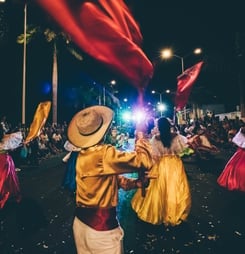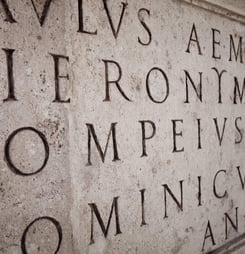

Each year, the World Day for Cultural Diversity brings a plethora of events and activities that seek to bring art, language and culture to the forefront. This has included celebrations in countries all over the world, international conferences on public art, speeches and commemorative services, charity partnerships and so much more.
How to Celebrate World Day for Cultural Diversity
Take a look at some unique and interesting ideas to get more involved with celebrating and embracing the fascinating diversity of people from cultures all over the globe through World Day for Cultural Diversity:
Learn About a Different Cultures
Gaining insight and information into different cultures from around the world is a fascinating and exciting practice! From reading books to watching documentaries, from hearing words in a different language to speaking to a native from another land, learning more about another culture can build bridges and bring the world closer.
A great way to learn is to head over to a local public library and check out some books on a culture of interest. Or, wander through the travel and culture section of a locally owned bookstore to see what kind of information can be gleaned through photos, maps, language tips and more.
Travel to Learn More About Culture
While general tourism is likely to only bring about a surface level of learning, those who are able to participate in cultural exchanges can learn so much from the experience. High school and college students often have access to cultural programs that allow them to do more than just visit, but to truly live among people from another culture for an extended period of time.
Those who are no longer students or who are not eligible for cultural exchange programs can travel in a way that better introduces them to local culture. It requires a bit of an adventurous spirit, but traveling off the beaten path, avoiding the typical tours and going exploring on your own (with safety precautions, of course), or hiring a local person to act as an insider guide are all great ways to get a more authentic experience.
Watch Cultural Documentaries
Those who are not necessarily able to travel, as it can be expensive and time-consuming, can still gain access to various insights by watching documentaries that feature cultural insights. Consider some of these interesting titles to get started with:
- God Grew Tired of Us (2006). This documentary features the stories of three of the estimated 20,000 Lost Boys of Sudan who fled the civil war there starting in 1983.
- Happiness (2013). Follow the life of a young boy from Bhutan as he experiences technology for the first time and learn more about the end of traditional lifestyle in the Himalayas.
- A Kalahari Family (2002). A unique cultural perspective that spans five generations of bushmen families in southern Africa, this documentary is one of the most respected films in the ethnographic field.
- Nanook of the North (1922). This silent masterpiece, now more than a century old, continues to captivate audiences with its depiction of a year in the life of a native Inuit hunting family on the Ungava Peninsula in Eastern Canada.
Embrace Diversity
Those who live in smaller towns or places where diversity is less common can begin stretching themselves by visiting larger cities or places with diverse populations. University towns might have larger populations of internationals and large cities often have immigrant populations.
Visiting an ethnic restaurant and striking up a conversation with the proprietor could be an excellent opportunity. After all, most people are proud of their cultural heritage and are happy to share their experiences and knowledge! Who knows? It might even turn into a new friendship.
Visit a Cultural Diversity Museum
Get to know more of the background of different cultures from near or far by visiting a museum in celebration of the World Day for Cultural Diversity. Check out some of these to get started:
- National Museum of African American Culture and History in Washington, DC
- Museum of the Southern Jewish Experience in New Orleans, Louisiana
- National Museum of the American Indian at the Smithsonian, Washington, DC
- National Museum of the American Latino in Washington, DC
Listen to Music from Different Cultures
An excellent way for adults to participate, or for parents and teachers to encourage children to get involved with the World Day for Cultural Diversity is through music! Music can act as a builder of bridges between cultures and individuals. Purchase some albums with a range of culturally diverse music, or create a list on an online music platform to celebrate cultural diversity.
Check out some of these ideas for songs to get started with:
- Africa Unite by Bob Marley and the Wailers (1979)
- Hera Hera by Asmita Adhikari (2021) (Nepalese)
- Love 119 by Riize (2024) (Korean)
- Magalenha by Sergio Mendes (1993) (Brazilian)
World Day for Cultural Diversity Timeline
Universal Declaration of Human Rights Affirms Cultural Life
The United Nations adopted the Universal Declaration of Human Rights, recognizing in Article 27 everyone’s right to participate in the cultural life of the community, laying a foundation for later ideas of cultural diversity and cultural rights.
The UN General Assembly adopts the ICESCR, whose Article 15 protects the right to participate in cultural life and benefit from cultural progress, strengthening the legal basis for safeguarding diverse cultural practices.
UNESCO Declaration of Principles of International Cultural Cooperation
UNESCO’s member states endorse this declaration, affirming that each culture has a dignity and value that must be respected, and emphasizing cultural exchange and mutual understanding as a path to peace.
World Conference on Cultural Policies (MONDIACULT) in Mexico City
UNESCO convenes governments in Mexico City, where states agree that culture includes ways of life and value systems, not only arts and letters, and stress the importance of recognizing and protecting cultural diversity.
UNESCO Universal Declaration on Cultural Diversity
In response to globalization and cultural homogenization, UNESCO adopts this declaration, describing cultural diversity as “a source of exchange, innovation and creativity” and a common heritage of humanity.
UNESCO Convention on the Protection and Promotion of the Diversity of Cultural Expressions
UNESCO member states adopt a binding convention that recognizes states’ sovereign right to implement cultural policies and measures to protect and promote diverse cultural expressions, especially in the face of global markets.
UN Declaration on the Rights of Indigenous Peoples
The General Assembly adopts this declaration, affirming indigenous peoples’ collective rights to maintain, practice and revitalize their cultural traditions and customs, reinforcing cultural diversity as a global normative goal.
History of World Day for Cultural Diversity
The United Nations Educational, Cultural, Scientific and Cultural Organization (UNESCO) can be given credit for founding this day, officially known as the World Day for Cultural Diversity for Dialogue and Development. As far back as 2001, the organization’s Universal Declaration on Cultural Diversity was made to call for measures to protect the cultural identities and diversity of the world as it may be at risk due to globalization.
It was in December of 2002 that the UN General Assembly voted to adopt the resolution declaring the World Day for Cultural Diversity to be celebrated the following year. The event has several purposes, including supporting sustainable systems of governance for culture, integrating culture into sustainable development goals, promoting human rights and freedoms, and increasing the flow and mobility of products from artists and other cultural professionals.
September of 2022 brought together representatives from 150 states throughout the world with the MONDIACULT gathering which took place in Mexico. This event was the largest conference devoted to culture to have taken place in the last four decades. Out of that conference, the Declaration for Culture was unanimously adopted affirming culture for its “global public good”.
Powerful Facts About Cultural Diversity
Cultural diversity shapes the way people think, create, and connect across the world. These facts highlight its impact on language, identity, innovation, and global development, showing why preserving and embracing diversity matters more than ever.
Cultural Diversity Is Rapidly Disappearing in Languages
Linguists estimate that the world’s roughly 7,000 languages are disappearing at a rate of one every two weeks, with between 40 and 50 percent at risk of extinction by the end of this century.
Many of these are Indigenous or minority languages with no written tradition, and once they vanish, they take with them unique oral histories, ecological knowledge, and cultural perspectives that are difficult or impossible to reconstruct.
UNESCO’s 2001 Declaration Framed Culture as More Than Heritage
The 2001 UNESCO Universal Declaration on Cultural Diversity formally recognized cultural diversity as a “common heritage of humanity” and linked it directly to human rights and development.
It emphasized that cultural goods and services are not just commodities but bearers of identity and values, which helped shift international policy debates toward protecting local cultures in the face of globalization and trade liberalization.
Cultural Diversity Can Boost Innovation and Economic Performance
Empirical research in economics has found that culturally diverse teams and cities can be more innovative and productive, provided there are strong institutions and inclusive policies. Studies of European regions and U.S. cities show that higher shares of foreign-born or culturally diverse workers are associated with more patents, higher wages, and faster productivity growth, suggesting that varied perspectives and skills can spark new ideas and technologies.
Cities With High Cultural Diversity Often Show Greater Creative Output
Urban studies have found that metropolitan areas with larger immigrant and minority populations tend to have more vibrant cultural and creative sectors, from music and cuisine to fashion and film.
Research on “creative cities” like London, Toronto, and New York shows that a mix of cultural backgrounds contributes to experimentation and hybrid cultural forms, which can enhance a city’s global cultural influence and tourism appeal.
Cultural Diversity Is Linked to Biodiversity in Many Indigenous Lands
In many regions, especially in the Amazon, the Pacific, and the Himalayas, areas with high cultural and linguistic diversity also coincide with hotspots of biological diversity.
Studies of Indigenous territories show that traditional ecological knowledge, customary land management, and spiritual practices can maintain forests and ecosystems more effectively than some formal protected areas, highlighting how safeguarding cultures can also support environmental conservation.
Most Countries Are Multilingual Despite Having One Official Language
Although many states legally designate a single official language, the majority of countries are de facto multilingual, with significant communities speaking regional, minority, or migrant languages.
For example, India recognizes 22 “scheduled” languages in its constitution, while countries like Nigeria and Papua New Guinea are home to hundreds of languages that coexist in daily life, administration, and cultural expression.
Cultural Participation Is Now Tracked as Part of Development
International agencies increasingly measure cultural participation alongside economic and social indicators, treating access to culture as part of human development.
UNESCO’s Culture for Development Indicators framework examines factors like heritage protection, creative industries, cultural education, and gender equality in cultural life, reflecting a shift toward seeing culture as a driver of inclusive growth rather than a luxury.