
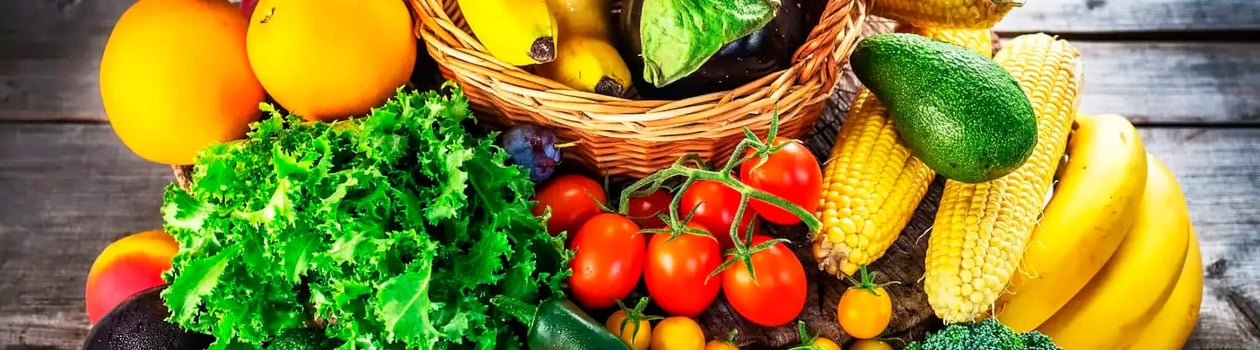
Every year on this day, we celebrate Eat More Fruits and Vegetables Day. This special day emphasizes the importance of including more fruits and vegetables in our diets.
The founders of this day, the Dole Food Company, started it to tackle unhealthy eating habits and raise awareness about how such habits contribute to obesity and other life-threatening diseases!
How to Celebrate Eat More Fruits and Vegetables Day
Celebrating Eat More Fruits and Vegetables Day can be a fun and delicious adventure for your taste buds and a big win for your health. Here are a few quirky and playful suggestions to make the day unforgettable:
Go on a Treasure Hunt
Why not turn your grocery shopping into a thrilling treasure hunt? Dive into the colorful world of the produce section and pick out something you’ve never tried before. Whether it’s a funky-shaped vegetable or a fruit with an unpronounceable name, give it a go. You might just find a new favorite.
Blend into the Unknown
Unleash your inner mixologist and blend up a storm with fruits and veggies as your main stars. Experiment with combinations that sound odd but could be a match made in heaven. Ever tried avocado and pineapple in a smoothie? Now’s your chance!
Green Thumbs Up
If you’ve been thinking about starting a garden, there’s no better time than Eat More Fruits and Vegetables Day. Whether it’s a windowsill herb garden or a full-blown veggie plot in your backyard, get your hands dirty and enjoy the fruits (and veggies) of your labor later on.
Dress to Impress
Salads don’t have to be boring. The secret weapon? A killer dressing! Whip up your concoctions with whatever’s in the pantry. A dash of this, a sprinkle of that, and voila – greens go from meh to magnificent.
The Great Swap
Ditch the traditional pasta for veggie noodles for a night. Zoodles (zucchini noodles), anyone? They’re surprisingly satisfying and a fantastic way to sneak more veggies into your dinner. Plus, twirling them around your fork is just as fun.
Chef’s Special: Sheet Pan Extravaganza
For a no-fuss dinner, throw a variety of chopped veggies onto a sheet pan, season as you wish, and roast them to perfection. It’s like conducting an orchestra of flavors where every vegetable gets a chance to shine.
Snack Attack
For those midday munchies, prepare a portable trail mix with dried fruits, nuts, and seeds. It’s a sweet, crunchy snack that packs a nutritional punch and keeps you energized throughout the day.
Embracing more fruits and veggies doesn’t just mean eating healthier. It’s about exploring new flavors, textures, and culinary adventures. So go ahead, play with your food, and make Eat More Fruits and Vegetables Day a deliciously memorable one!
Why Celebrate National Eat More Fruits and Vegetables Day?
Eating a wide variety of fruits and vegetables can bring many health benefits. They’re packed with essential vitamins, minerals, and fibers that can help fend off diseases like diabetes, heart attacks, and even some forms of cancer.
Despite containing anti-nutrients, which can interfere with nutrient absorption, the health advantages of fruits and veggies far outweigh these concerns. Techniques like boiling and steaming can reduce anti-nutrient levels, ensuring you get the most benefit from your meals.
Fruits and vegetables also play a significant role in environmental health. Livestock production is a major source of human-caused greenhouse gases, but plant-based diets are far more energy-efficient and less taxing on the environment.
Switching to a diet that includes more fruits and vegetables could significantly reduce greenhouse gas emissions, making our eating habits not only better for us but also for the planet. Celebrating Eat More Fruits and Vegetables Day encourages us to make healthier choices for our bodies and the environment.
National Eat More Fruits and Vegetables Day Timeline
Lind’s Scurvy Experiment at Sea
Scottish surgeon James Lind conducts one of the first controlled clinical trials, showing that citrus fruits cure scurvy and establishing an early link between fruit consumption and disease prevention.
Concept of Vitamins Emerges
Polish biochemist Casimir Funk proposed the concept of “vital amines,” later called vitamins, many of which are abundant in fruits and vegetables and help explain their role in preventing deficiency diseases.
Seven Countries Study Begins Linking Diet and Heart Disease
Ancel Keys and colleagues began the Seven Countries Study, which, over time, provides evidence that diets rich in plant foods, including fruits and vegetables, are associated with lower rates of coronary heart disease.
WHO and FAO Joint Report on Diet and Chronic Disease
The World Health Organization and the Food and Agriculture Organization publish a major report on diet, nutrition, and chronic disease that highlights fruits and vegetables as key to reducing heart disease, stroke, and some cancers.
Global Fruit and Vegetable Intake Targets Set by WHO/FAO
A joint WHO/FAO expert consultation recommends a minimum intake of 400 grams of fruits and vegetables per day to help prevent chronic diseases and address undernutrition, influencing dietary guidelines around the world.
History of Eat More Fruits and Vegetables Day
Eat More Fruits and Vegetables Day started in 2015, inspired by the need to improve eating habits worldwide.
The Dole Food Company launched this day to spread knowledge about the benefits of consuming more fruits and veggies.
The idea was to address the rising concerns over unhealthy eating patterns contributing to obesity and other life-threatening conditions. By encouraging a diet rich in fruits and vegetables, the day aims to educate people about the nutritional value of these foods and their role in preventing various diseases.
This day emphasizes the abundant benefits that fruits and vegetables offer, including a rich supply of essential vitamins, minerals, and dietary fibers.
Such a diet can significantly reduce the risk of chronic diseases like diabetes, heart attacks, and strokes. It’s also an opportunity to discover new flavors and varieties of fruits and vegetables, thus broadening the palate and encouraging healthier eating habits.
Beyond personal health, Eat More Fruits and Vegetables Day highlights the environmental advantages of consuming more plant-based foods.
Fruits and vegetables are not only good for our bodies but also for the planet. They require less energy and resources to produce compared to processed foods and meat, making them a sustainable choice for both our diet and the earth.
Powerful Facts About Eating More Fruits and Vegetables
Eating more fruits and vegetables is one of the simplest ways to improve overall health and well-being. These facts highlight how regular intake can support longevity, protect against disease, and contribute to a healthier, more balanced lifestyle.
Fruit and Vegetable Intake and Longevity
A large pooled analysis of over 833,000 participants found that each additional daily serving of fruits or vegetables was associated with a 5 percent reduction in overall mortality, with benefits leveling off around five servings per day.
Higher intake was particularly linked to lower deaths from cardiovascular disease.
Protection Against Heart Disease and Stroke
Researchers analyzing prospective cohort studies have reported that people who eat more than five servings of fruits and vegetables a day have about a 20 percent lower risk of coronary heart disease and stroke than those who eat less than three servings daily. Leafy greens and vitamin C–rich fruits and vegetables appear especially protective.
Cancer Risk and Non-Starchy Vegetables
The World Cancer Research Fund and American Institute for Cancer Research conclude that consuming plenty of non-starchy vegetables and fruits probably reduces the risk of cancers of the mouth, pharynx, larynx, esophagus, and lung.
These foods provide fiber, carotenoids, and other bioactive compounds that may help protect DNA and regulate cell growth.
Fiber-Rich Produce and Type 2 Diabetes
A large European study following more than 340,000 adults found that those with the highest intake of total fiber, particularly from fruits and vegetables, had a significantly lower risk of developing type 2 diabetes compared with those consuming the least. The protective effect was partly explained by better body weight and improved insulin sensitivity.
Global Shortfall in Produce Consumption
Despite strong evidence for health benefits, most people worldwide do not meet fruit and vegetable recommendations.
The World Health Organization estimates that low intake of fruits and vegetables contributes to roughly 1.7 million deaths annually and is among the top ten risk factors for global mortality.
Plant-Rich Diets and Greenhouse Gas Emissions
Modeling studies published in the Proceedings of the National Academy of Sciences suggest that shifting global diets toward more fruits, vegetables, legumes, and nuts and less red and processed meat could reduce food-related greenhouse gas emissions by up to 29 percent by 2050, while also improving population health.
Water and Land Use of Produce vs. Meat
Life-cycle assessments show that fruits and vegetables generally require far less land and water per calorie than beef and other red meats.
The Food and Agriculture Organization reports that livestock uses about 77 percent of global agricultural land while providing less than 20 percent of the world’s calories, highlighting the resource efficiency of plant foods.



You may also like
Fresh Veggies Day
Celebrate Fresh Veggies Day by discovering tasty ways to eat more vegetables, support local growers, and build healthier, plant-rich habits every day.
- Australia
- Canada
- United Kingdom
- and 1 more
National Eat Your Vegetables Day
Celebrate National Eat Your Vegetables Day by discovering tasty ways to enjoy veggies, improve nutrition, start healthy habits, and explore their rich history.
- Australia
- Canada
- United Kingdom
- and 1 more

Let’s All Eat Right Day
Let’s All Eat Right Day encourages everyone to focus on nutrition and healthy eating habits. It’s a friendly nudge to pay attention to what ends up on the plate, not with perfection in mind, but with a little more intention. Food fuels work, play, rest, and everything in between, and...
- Australia
- Canada
- International
- and 2 more
Plant Power Day
Delicious creations from nature's bounty, plates filled with vibrant colors and enticing flavors that fuel the body and support the planet.
- Canada
- International
- United Kingdom
- and 1 more
National days and holidays on May 21

Cannes Film Festival
The Cannes Film Festival is one of the most glamorous and important events in the film industry. Held annually in the beautiful city of Cannes on the French Riviera, this festival draws the biggest names in cinema, from directors to actors. The red carpet is a dazzling display of style...
- France

International Tea Day
While everyone loves a cup of tea, many of the workers and producers of that tea face poor conditions and pay. Help raise awareness and keep tea fair.
- China
- India
- Japan
- and 1 more

National Notebook Day
Open up a notebook and get writing. Jot down your to-do list, journal your thoughts, make lists or even try some creative writing with good old pen and paper.
- Japan
- United Kingdom
- United States

Chardonnay Day
Chardonnay Day is a lively celebration dedicated to one of the world’s most beloved white wines. Wine enthusiasts across the globe pause to appreciate the rich diversity and versatility of Chardonnay wines on this day. It is a chance to taste widely, compare styles, and learn why this single grape...
- Argentina
- Australia
- Brazil
- and 10 more
Seize Every Day
Join free for personalised recommendations, email reminders and exclusive guides. Never miss a day.