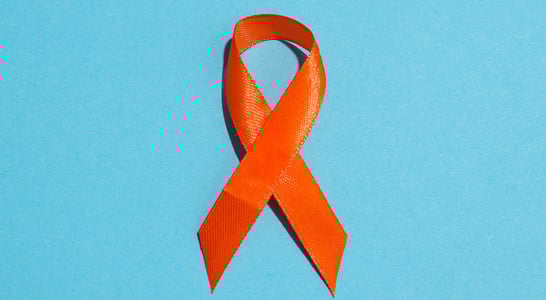
World Day of the Sick highlights how societies care for people facing illness and those who support them. Beyond hospitals and treatments, it brings attention to caregiving, compassion, medical ethics, and the systems—formal and informal—that shape health care around the world. The facts below explore lesser-known details about medical history, caregiving, and global health efforts, showing how care for the sick has evolved and why it remains a shared human responsibility.

World Day of the Sick
Facing challenges with strength, and compassion, those going through tough times and their supportive loved ones are a source of inspiration.
An annual observance bringing attention to the needs of people living with illness and the caregivers who support them, World Day of the Sick invites communities to respond with compassion, practical help, and respectful presence.
It is often marked by prayer and reflection, while also pointing toward the very real, everyday work of healthcare: relieving suffering, improving quality of life, and continuing research and care that make healing more possible.
How to Observe World Day of the Sick
World Day of the Sick is observed in alignment with the memorial of _Our Lady of Lourdes_, a date that carries strong meaning within the Catholic tradition because Lourdes has long been associated with care for the sick and stories of healing.
While the observance is rooted in the Catholic Church, its core message is broad enough to resonate widely: illness can isolate people, and communities can choose to respond by showing up, listening, helping, and advocating for humane care.
In practice, many communities mark the day through a mix of spiritual support and concrete acts of service. Some focus on pastoral care and encouragement for those who feel worn down by chronic conditions, disability, or age-related fragility.
Others focus on caregiver support, from family members who are “on call” all the time to professional nurses, aides, physicians, therapists, chaplains, and volunteers.
The day also naturally invites reflection on what dignity looks like in healthcare settings, especially when someone is scared, in pain, far from home, or navigating complicated decisions.
Here are a few suggestions on how to observe World Day of the Sick in a way that is thoughtful, inclusive, and genuinely helpful.
Organize a Prayer Gathering
A prayer gathering can be one of the most meaningful ways to observe World Day of the Sick, especially because illness often affects more than the body.
People may carry anxiety, grief, frustration, or loneliness alongside physical symptoms. A well-planned prayer service can hold space for those realities without trying to rush past them.
A community might organize a Mass, a prayer service, or a quieter time of reflection. Some groups include a short reading, music, a moment for lighting candles, or an invitation for people to write down names of those who are sick or caregiving.
The most supportive gatherings tend to be gentle and accessible: clearly explained, not overly long, and mindful of those who may fatigue easily or have mobility or sensory needs.
Many faith communities also take this day as an occasion to focus on pastoral outreach. That can mean making sure hospitalized or homebound members are not forgotten, arranging visits that are welcome and respectful, and coordinating practical help that matches real needs.
Even small choices, like providing seating options, reducing background noise, or ensuring rides are available, communicate care.
It can also be meaningful to include a prayer for healthcare workers and support staff. In many settings, the people who transport patients, clean rooms, prepare meals, answer phones, and manage supplies are essential to a patient’s well-being.
Recognizing them broadens the day’s focus from illness alone to the entire network of care that makes treatment possible.
Raise Funds for Medical Research
Raising funds for medical research offers a practical way to channel compassion into action. Research can mean many things, from laboratory work on new therapies to clinical trials, public health studies, improved diagnostic tools, and even better pain management strategies.
Supporting research is also a way to honor people living with conditions that do not have clear cures, as well as those who have spent years trying different treatments.
A fundraiser does not have to be flashy to be effective. A community might host a walk-a-thon, a benefit concert, a craft sale, a bake sale, or an online giving drive.
The strongest fundraisers usually include an educational angle, helping people understand what the chosen cause actually does.
That might mean sharing a short explanation of the condition being supported, common misconceptions, and the ways research funding can directly improve everyday life.
It also helps to think beyond “cure” language. Many people living with chronic illness or disability are not waiting to be fixed; they are navigating life with resilience and skill, often while facing barriers.
Fundraising can support research that improves accessibility, symptom control, assistive technology, mental health supports, rehabilitation, and caregiver training. Those advances can be life-changing, even when a condition remains part of someone’s life.
For groups that prefer local impact, fundraising can also support patient resource funds, hospice programs, transportation assistance, meal delivery for families dealing with treatment schedules, or respite services for caregivers.
The key is matching the effort to genuine needs, so the support lands where it makes the most difference.
Volunteer
Volunteering is one of the most direct ways to observe World Day of the Sick because it turns attention into presence.
Hospitals, long-term care homes, rehabilitation facilities, and community health programs often rely on volunteers for tasks that improve comfort and reduce isolation, especially for patients who do not have frequent visitors.
Volunteer roles vary widely. Some volunteers visit patients to talk, read aloud, or simply sit quietly. Others help with wayfinding, deliver items, assist with meal service, or support family waiting areas.
There are also community-based options such as delivering groceries or prescriptions, offering rides to appointments, or providing companionship to someone recovering at home.
Good volunteering requires sensitivity. Many people who are ill are exhausted, overstimulated, or managing pain, and they should not be treated as a project. A helpful volunteer asks permission, follows facility guidelines, respects confidentiality, and understands that “no” is a complete answer.
It is also wise to avoid offering medical advice or personal opinions about treatment. The most supportive approach is steady, kind, and practical: listen more than speak, notice what would make the day easier, and keep commitments reliably.
Volunteering can also mean supporting caregivers. Caregiving is often physically taxing and emotionally intense, and it can come with financial strain and sleep deprivation.
Offering a few hours of respite, preparing a meal, handling errands, or providing child care can be profoundly restorative.
Even organizing a rotating schedule among friends or community members can reduce the sense that one person has to do everything alone.
World Day of the Sick Timeline
ca. 370–379
Early Christian Hospital Complex in Caesarea
Basil of Caesarea establishes the Basileias, a large charitable complex in Cappadocia that includes what many historians regard as one of the first Christian hospitals for organized care of the sick and poor.[1]
1099
Knights Hospitaller Recognized in Jerusalem
After the First Crusade, the Knights Hospitaller were formally recognized as a religious order running a hospital in Jerusalem, combining military, charitable, and nursing care for sick pilgrims and the poor.[2]
February 11, 1858
First Apparition at Lourdes and Healing Spring
Bernadette Soubirous reports the first apparition of the Virgin Mary at Lourdes, France; a spring soon emerges at the grotto, and the site rapidly becomes a major Catholic pilgrimage center associated with the healing of the sick.
November 21, 1964
Reform of Anointing of the Sick in Vatican II
The Second Vatican Council’s Constitution Sacrosanctum Concilium calls for revision of the rite of Extreme Unction, emphasizing it as the “Anointing of the Sick” to strengthen seriously ill believers with sacramental grace.[3]
February 11, 1985
Pontifical Commission for Health Care Workers
With the motu proprio Dolentium Hominum, Pope John Paul II created the Pontifical Commission for the Pastoral Assistance to Health Care Workers, giving the Catholic Church a central body devoted to ministry among the sick.[4]
History of World Day of the Sick
World Day of the Sick was instituted by Pope John Paul II in 1992, shaped by his concern for people experiencing illness and the importance of spiritual and pastoral care alongside medical treatment.
The establishment of the day also reflected his personal experience of declining health, which brought him into closer contact with the vulnerabilities that many people live with daily.
Rather than framing illness as merely a private struggle, the observance encourages communities to see it as a shared human reality that calls for solidarity.
The date connected to _Our Lady of Lourdes_ is significant in the Catholic imagination because Lourdes has become associated with pilgrimage, care, and prayer for healing.
Over time, the site developed a strong tradition of welcoming people who are sick or disabled and organizing volunteer support for those who travel there.
By tying the observance to this memorial, the Church emphasized a particular message: the sick should not be pushed to the margins, and care should include tenderness, patience, and respect for dignity.
The first celebration took place in 1992, and it has continued as an annual observance across the world. Communities mark it through Masses, prayer services, pastoral visits, and special outreach efforts to hospitals, nursing homes, and homebound individuals.
In many places, it also includes moments of public recognition for healthcare workers and caregivers, acknowledging that their labor is not only technical but deeply human.
Over the years, different annual themes have been proposed to guide reflection. While themes can vary, they tend to circle around familiar realities of illness: the need for mercy, the importance of close relationships, and the spiritual challenges of suffering and loneliness.
These themes often highlight that healing is not always the same as curing. Someone may not be cured and yet still experience genuine healing through relief of symptoms, reconciliation, companionship, restored hope, or the comfort of being treated as a whole person rather than a diagnosis.
World Day of the Sick also highlights ethical and social questions that appear wherever people get healthcare. Access, affordability, quality of care, and the distribution of medical resources are not abstract issues to someone waiting for treatment or struggling to obtain medication.
The observance, especially in its Catholic context, often emphasizes the value of human life and the call to treat every person with compassion, regardless of background or circumstance. It encourages communities to resist indifference and to advocate for systems that protect the vulnerable.
Another recurring emphasis is the role of the sick person within the community. In many cultures, productivity can become the unofficial measure of worth, which can leave sick people feeling invisible or burdensome.
World Day of the Sick challenges that assumption by insisting that a person’s dignity does not shrink with their strength.
It also recognizes that people who suffer can still contribute, not necessarily through work output, but through relationships, wisdom, patience, creativity, and the ability to teach others how to receive help with humility and courage.
The observance has also increasingly highlighted the importance of pastoral care in healthcare settings. Chaplains, spiritual care providers, and trained volunteers often serve as bridges between clinical treatment and emotional or spiritual support.
Even outside formal religious care, many patients benefit when someone acknowledges their fears, listens without rushing, and honors what matters to them. World Day of the Sick, at its best, champions a model of care that sees the person first, and the illness second.
Ultimately, the history of World Day of the Sick is less about a single event and more about an ongoing invitation: to notice suffering that is easy to overlook, to value caregivers whose work can be hidden, and to build communities where illness does not automatically mean isolation.
Facts About World Day of the Sick
-
Lourdes Has One of the Oldest Continuous Medical Review Committees for Claimed Miracles
At the Marian shrine of Lourdes in France, where many sick pilgrims seek healing, any alleged cures are first screened by the Lourdes Medical Bureau, a body of independent physicians that has existed in various forms since the late 19th century. Only cases that are sudden, lasting, medically inexplicable, and thoroughly documented are forwarded to the International Medical Committee of Lourdes, and to date, just a few dozen cures have been officially recognized as miraculous out of thousands of claims.
-
Religious Orders Helped Shape the Modern Hospital Model
Long before state-run health systems were common, Catholic religious congregations—such as the Daughters of Charity of St. Vincent de Paul and the Sisters of Mercy—founded and staffed hospitals, leprosaria, and hospices across Europe, the Americas, and parts of Asia. These communities emphasized cleanliness, organized wards, and systematic nursing, providing a template for many modern hospital practices and influencing public health care long before formal nursing schools and national health services emerged.
-
Unpaid Care Work Is One of the World’s Largest Invisible “Workforces”
The United Nations estimates that the global care workforce includes about 381 million paid workers—but this is overshadowed by unpaid caregivers, with women performing around 76% of unpaid care work worldwide. This hidden labor underpins health and social systems, yet it is often unrecognized in economic statistics and public policy, despite being essential for older adults, people with disabilities, and those living with chronic illness.
-
A Significant Share of the World’s Adults Are Caregivers
Survey research across multiple countries suggests that roughly 43% of the global population provides some form of care to a family member or friend with health needs, ranging from helping with medications to providing full-time support. Many of these carers balance employment and caregiving, often without formal training or payment, which can affect their mental health, finances, and ability to participate fully in community life.
-
Chronic Illness in the Americas Is Rapidly Increasing the Need for Long-Term Care
Regional health authorities in the Americas report that more than 8 million older people in Latin America and the Caribbean already require assistance with daily activities, a number projected to roughly triple by 2050. As populations age and chronic diseases such as diabetes, heart disease, and dementia become more common, countries face mounting pressure to develop sustainable systems of long-term care for sick and dependent people.
-
Unpaid Family Caregiving Has a Measurable Economic Value
Economists who have tried to quantify unpaid care estimate that in the United States alone, the value of family caregiving—if it were paid at typical home-care wages—would be in the hundreds of billions of dollars annually. This valuation highlights how much formal health systems depend on relatives to manage medications, appointments, personal care, and monitoring for people living with illness or disability.
-
Modern Health Care Recognizes Spiritual Care as Part of Holistic Treatment
Over recent decades, many hospitals have developed chaplaincy or spiritual care services, recognizing that serious illness affects not just the body but also a person’s emotional and spiritual well-being. Professional chaplains now commonly collaborate with medical teams and palliative care units, offering support to patients of any or no faith tradition, and major health organizations describe this form of care as an important component of quality, patient-centered medicine.
World Day of the Sick FAQs
How does serious illness typically affect a person’s emotional and spiritual well‑being?
Serious illness often brings intense emotions such as fear, sadness, anger, and anxiety, and can disrupt a person’s sense of identity and purpose. Studies in health psychology and palliative care show that people frequently wrestle with questions about meaning, fairness, and the value of their lives when facing long-term or life‑threatening conditions. At the same time, many report that illness can deepen spiritual awareness, strengthen or reshape beliefs, and encourage reflection on relationships and priorities, especially when they receive compassionate support from family, community, or faith traditions.[1]
What are some common misconceptions about chronic illness and disability?
Common misconceptions include assuming that if someone looks “fine” they must not be very sick, believing that all conditions can be cured with enough willpower or the right treatment, and thinking that people with chronic illness are always unfit for work, study, or family responsibilities. Disability and long-term illness exist on a spectrum; many conditions are invisible, fluctuate day to day, and may be managed rather than cured. Public health and disability-rights organizations emphasize that social and environmental barriers often limit people more than their medical condition itself, and that appropriate accommodations, inclusive attitudes, and access to care can enable full participation in community life. [2]
What practical things can family and friends do to support someone who is seriously ill?
Evidence from palliative care and caregiver research suggests that simple, consistent presence is often more important than elaborate gestures. Helpful support includes listening without rushing to give advice, offering concrete help (such as meals, transportation, or childcare), coordinating visits to avoid fatigue, and respecting the person’s choices about treatment and information. Health agencies also encourage families to help patients communicate with care teams, keep track of medications and appointments if requested, and support advance care planning. Checking in regularly—even with brief messages—can reduce isolation and reassure the person that they are not facing illness alone. [3]
How do different cultures approach caring for sick or dying family members?
Cultural traditions strongly shape expectations about where care should happen, who should provide it, and how decisions are made. In many parts of Asia, Africa, Latin America, and the Middle East, illness and dying are often seen as family responsibilities, with extended relatives providing hands‑on care at home and making decisions collectively. In some Western contexts, there is a greater tendency to emphasize patient autonomy, privacy, and professionalized care in hospitals or hospices, though family involvement remains important. The World Health Organization and global palliative‑care studies note that cultural and religious beliefs also influence attitudes toward pain relief, disclosure of prognosis, rituals around death, and what is considered a “good death,” so culturally sensitive communication is vital.
What are the main barriers that people around the world face in accessing health care when they are sick?
Globally, major barriers include financial costs (such as user fees, medicines, or transport), distance to health facilities, shortages of trained health workers, and stockouts of essential drugs and equipment. The World Health Organization reports that at least half of the world’s population still lacks full coverage of essential health services, and hundreds of millions are pushed into extreme poverty each year because they must pay for care out of pocket. Additional obstacles can stem from discrimination, language differences, lack of legal documentation, and weak health systems, all of which tend to affect poor, rural, and marginalized communities most severely. [4]
How does long-term caregiving affect the physical and mental health of caregivers?
Long-term caregivers—often family members—are at increased risk of stress, depression, sleep problems, and physical health issues such as back pain or hypertension. Research summarized by public health agencies shows that balancing employment, finances, household tasks, and emotional strain can lead to “caregiver burden,” especially when support is limited. At the same time, many caregivers report a sense of meaning, closer relationships, and personal growth through caring. Experts recommend that caregivers receive training, respite services, psychological support, and inclusion in care planning to protect their own health while continuing to provide safe and compassionate care.
How do Catholic and other Christian traditions view human suffering in the context of illness?
In Catholic and many other Christian traditions, suffering from illness is seen both as a painful reality to be relieved and as an experience that can have spiritual meaning. Official Catholic teaching emphasizes that the sick must receive medical treatment, human companionship, and justice in access to care, while also suggesting that suffering, joined to the passion of Christ, can become a path of inner transformation, solidarity with others, and deeper trust in God. Papal messages on illness highlight that believers are called to recognize the face of Christ in the sick, to practice mercy like the Good Samaritan, and to build communities where no one faces suffering abandoned or alone. [5]
Also on ...
View all holidays
National Latte Day
Velvety, creamy, and oh so delicious, lattes are the perfect pick-me-up with a shot of espresso and steamed milk.


National Peppermint Patty Day
A delightful combination of cool, refreshing mint encased in rich, dark chocolate — a taste that tingles and satisfies in every bite.

We think you may also like...
International Day of Medical Transporters
Take some time to appreciate the men and women who get the sick injured to where they can get help. Medical transporters save lives every day, so thank them.
National Give a Bunch of Balloons Month
Bringing joy to sick children through colorful inflatable decorations, uplifting their spirits during challenging times.