
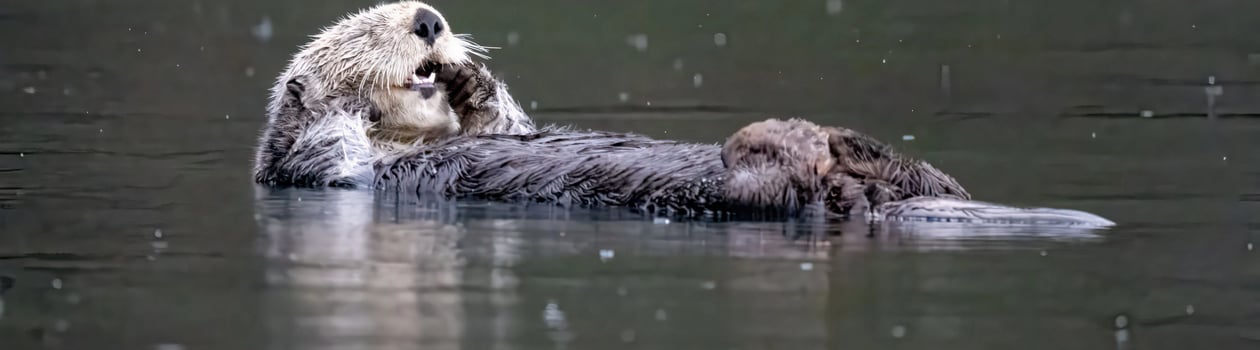
Every year on this day, the world comes together to celebrate a unique and playful creature – the otter.
World Otter Day is a global event dedicated to raising awareness about these fascinating animals, their habitats, and the threats they face.
It’s a day to learn, share, and contribute to the conservation of otters, a species that brings joy to many and plays a crucial role in our ecosystem!
How to Celebrate World Otter Day
Celebrating World Otter Day can be as simple or as involved as you’d like it to be. Here are some suggestions:
Educate Yourself and Others
Use this day to learn more about otters – their habits, their habitats, and the threats they face. There are numerous resources available online and in libraries that provide in-depth information about these fascinating creatures.
Share this knowledge with others, especially children, to foster a love and respect for these creatures and the environment. Education is a powerful tool in conservation efforts.
Support Otter Conservation Efforts
Many organizations, like the IOSF, work tirelessly to protect otters and their habitats. These organizations conduct research, run conservation programs, and work on policy changes to ensure the survival of otters.
Consider making a donation or participating in fundraising events. Every contribution, no matter how small, can make a difference.
Visit a Local Wetland or Zoo
If it’s safe and permissible in your area, visit a local wetland or zoo to see otters in action. Observing otters in their natural or semi-natural habitat can be a thrilling experience.
Remember to respect their space and observe from a distance.
Spread the Word
Use your social media platforms to raise awareness about World Otter Day. Share facts about otters, their importance, and what can be done to protect them.
The more people know about otters and the challenges they face, the more support there will be for their conservation.
Get Creative
Draw, paint, or write about otters. This can be a fun activity for both children and adults, and it’s a great way to express your appreciation for these animals.
You could also create a short video or animation about otters and share it on social media. Creativity is a wonderful way to engage with the subject and spread awareness in a unique and personal way.
Participate in Local Events
Many communities and organizations host events on World Otter Day. These could include educational workshops, clean-up drives, fundraising events, or even otter-themed parties.
Participating in these events can be a great way to contribute to the cause and meet like-minded individuals.
Adopt an Otter
Some wildlife organizations offer otter adoption programs. By adopting an otter, you contribute to the care and protection of these animals. You often receive updates about your adopted otter and learn about their progress and life.
Why Celebrate World Otter Day
World Otter Day is more than just a celebration of otters; it’s a reminder of our responsibility to protect and conserve our environment and the creatures that inhabit it. By participating in this day, we can all play a part in ensuring the survival and prosperity of otters for generations to come.
Otters are an integral part of our ecosystem. They are known as “keystone” species, meaning their well-being is often an indicator of the health of their entire habitat.
By protecting otters, we’re also protecting our rivers, our wetlands, and numerous other species that share their habitat.
World Otter Day Timeline
Early Otter Ancestors Emerge
Fossils from the early Miocene show the first members of the otter subfamily Lutrinae, which evolved from terrestrial mustelids into semi‑aquatic predators in rivers and lakes.
Pliny the Elder Describes Otters
Roman naturalist Pliny the Elder includes otters in his “Natural History,” noting their fish‑eating habits and riverine lifestyle in one of the earliest detailed European descriptions.
Sea Otter Scientifically Described
During the Second Kamchatka Expedition, German naturalist Georg Wilhelm Steller records and describes the sea otter, introducing the species to European science and natural history. [1]
International Fur Seal Treaty Protects Sea Otters
The North Pacific Fur Seal Convention of 1911, signed by the United States, Russia, Japan, and the United Kingdom, bans most commercial hunting of sea otters and other marine fur-bearers.
Sea Otters Listed as Threatened in the United States
The United States lists the southern sea otter as threatened under the Endangered Species Act, leading to stricter protections and conservation efforts along the California coast. [1]
History of World Otter Day
The roots of World Otter Day can be traced back to 2009 with the inception of Otterly Mad Week, a week-long event filled with education, fun, and a focus on otters.
This initiative was the first of its kind, aiming to shed light on otters and their importance in the ecosystem. It was a week filled with activities, information sessions, and community engagement, all centered around otters.
In 2014, the event evolved into International Otter Awareness Day, broadening its reach and impact. The day was dedicated to educating the public about the 13 species of otters and the challenges they face, including habitat loss, hunting, and pollution.
It was a day where conservationists, educators, and otter enthusiasts came together to share knowledge, raise awareness, and promote the protection of these incredible creatures.
The event took another significant leap in 2016 when it transformed into the International Otter Survival Fund (IOSF) World Otter Day. This day, as we know and love it today, is a global celebration and a call to action to protect and conserve otters around the world.
The IOSF plays a pivotal role in this event, leading efforts to raise awareness and educate people on how to protect otter habitats. The IOSF’s dedication and commitment to otter conservation have been instrumental in the success and impact of World Otter Day.
Fascinating Facts About Otters and Their Role in Nature
Otters may look playful and carefree, but they play a powerful role in maintaining healthy ecosystems. These facts reveal how their behavior, evolution, and unique adaptations make them essential to both aquatic environments and the balance of nature.
Otters Help Maintain Underwater Forests
Sea otters are considered a classic keystone species because their hunting of sea urchins prevents the urchin populations from overgrazing kelp forests.
Where sea otters have been reintroduced along the North Pacific coast, scientists have documented a recovery of dense kelp habitats that support higher biodiversity and store more carbon than urchin-dominated “barrens.”
River Otters Can Reshape Entire Stream Food Webs
Studies on North American river otters show that their diet of fish, crayfish, and amphibians can substantially alter the structure of freshwater food webs.
By preying on top competitors and opportunistically scavenging, they influence which species dominate in rivers and wetlands, which in turn affects nutrient cycling, aquatic vegetation, and even insect communities.
Otters Belong to a Lineage of Semi‑Aquatic Carnivores Millions of Years Old
Modern otters are part of the subfamily Lutrinae, which the fossil record traces back at least 11–12 million years.
Early otter-like mammals such as Enhydriodon and the giant, wolf-sized Siamogale melilutra show transitional features between terrestrial mustelids and fully aquatic forms, including powerful tails, robust limbs, and specialized teeth for crushing hard-shelled prey.
Sea Otters Stay Warm Without Blubber
Unlike most marine mammals, sea otters have almost no insulating blubber and instead rely on extraordinarily dense fur combined with a very high metabolic rate.
Their fur, which can exceed 1 million hairs per square inch, traps air next to the skin like a dry suit, while their metabolism runs about three times faster than that of a similar-sized terrestrial mammal to generate constant body heat in near-freezing water.
Some Otter Species Are Highly Vocal Communicators
Research on Asian small-clawed otters and giant otters has identified rich vocal repertoires that include contact calls, alarm calls, and food-associated sounds.
Giant otters in the Amazon, for example, use distinct calls that help coordinate group hunting and warn family members about predators such as caimans and jaguars, underscoring how social communication supports their cooperative lifestyles.
Illegal Pet Trade Is a Growing Threat to Asian Otters
While habitat loss and pollution remain major pressures, several Asian otter species now face intense demand from the illegal pet trade, particularly in Indonesia, Thailand, and Japan.
Young otters are often taken from the wild after adults are killed, and investigators have documented online markets and “otter cafes” that contribute to declines in species like the smooth-coated and Asian small-clawed otters.
Reintroduction Efforts Have Brought Otters Back to Some Rivers
In parts of Europe and North America, coordinated conservation actions such as bans on dangerous pesticides, legal protection, and habitat restoration have allowed formerly extirpated otter populations to return.
The recovery of Eurasian otters in the United Kingdom and North American river otters in parts of the Midwest and Rocky Mountains is now cited as a model for how targeted policy changes and improved water quality can revive top predators in degraded rivers.
World Otter Day FAQs
When did otters first appear in historical art and mythology?
Otters have been depicted in Celtic and Native American myths for centuries.
The Celts viewed them as symbols of guidance and joy. Native American tales often portray them as playful tricksters. In Japan, otters appear in folklore as shapeshifters, sometimes even tricking humans.
These cultural associations highlight otters’ charisma and their role in storytelling across the world.
Are there any unusual festivals or events celebrating otters?
In Asia, Otter Festivals occur in regions like Kerala, India. These events raise awareness about smooth-coated otters, vital for ecosystems.
Some communities feature puppet shows, eco-tours, and local cuisine, emphasizing their cultural and environmental importance.
How are otters connected to ancient superstitions?
Medieval Europeans believed otters could guide lost souls. Some cultures feared them as shapeshifters stealing fish or leading sailors astray.
These myths demonstrate the otter’s dual reputation as a helper and trickster.
What’s the weirdest way otters use tools?
Sea otters are tool-using experts. They crack open sea urchins using rocks placed on their chests.
A recent study discovered that otters sometimes “collect” favorite rocks, suggesting complex behavior akin to personal preference.
Are there any otter-themed sports?
Yes! In the U.K., “otter hunts” were once popular, though thankfully banned today. Instead, modern events like “otter swims” in otter sanctuaries aim to connect humans with their playful nature.
How do otters help scientists study climate change?
Otters indirectly indicate ocean health. When their populations decline, kelp forests shrink due to unchecked sea urchins. Scientists use otter data to monitor underwater ecosystems and climate change effects.
What’s an unusual adaptation of otters?
Sea otters have dense fur, with up to 1 million hairs per square inch. Unlike seals, they rely solely on this fur for warmth, making them incredibly unique among marine mammals.
What quirky habits do otters have in groups?
Otters form “rafts,” where they hold hands to avoid drifting apart. Some rafts can include up to 20 otters. This behavior showcases their highly social nature.
What’s the smallest otter species?
The Asian small-clawed otter is the tiniest, weighing 5-11 pounds. Found in wetlands and rice paddies, they’re crucial for pest control in Southeast Asia.
Do otters appear in pop culture?
Otters have appeared in movies like Ring of Bright Water and even as plush toys in children’s media. They symbolize joy, curiosity, and connection to nature.



You may also like

Sea Otter Awareness Week
Sea otters play a crucial role in maintaining the health of marine ecosystems. It is so significant that a whole week, Sea Otter Awareness Week, is dedicated to celebrating and raising awareness about them. The week is packed with activities, from educational events and live streams to adoption drives and donation...

World Aquatic Animal Day
Did you know the ocean contains about a million different species? Learn about marine life, visit an aquarium, or raise awareness about the threats to the ocean.

International Day of Action for Rivers
Every year, on March 14th, people around the globe observe the International Day of Action for Rivers. This day highlights the vital role rivers play in everyday life, from supplying drinking water and irrigating crops to supporting fisheries, recreation, and spiritual and cultural traditions. Rivers are not just moving water, either...

Faux Fur Friday
Cozy and cruelty-free, it's the trendy way to stay warm when the weather cools down, with a touch of luxury.
- Australia
- Canada
- United Kingdom
- and 1 more
National days and holidays on May 27

Hari Raya Haji
Hari Raya Haji, also known as Eid al-Adha, is a significant celebration in the Muslim world. It marks a time of deep reflection on faith and devotion. How to Celebrate Hari Raya Haji Hari Raya Haji offers a wonderful chance to come together and celebrate with meaningful activities. Here are some...
- Australia
- Bahrain
- Bangladesh
- and 20 more

Vivid Sydney
Vivid Sydney is a dazzling celebration that transforms the city into a vibrant playground of lights, music, and creativity. For weeks, iconic landmarks and urban spaces glow with stunning light installations and 3D projections, captivating both locals and tourists. This festival draws millions of visitors each year, offering an enchanting...

Nothing to Fear Day
Nothing to Fear Day inspires people to face fears, build courage, and embrace new challenges through adventure, reflection, and personal growth.

Old-Time Player Piano Day
Celebrate Old-Time Player Piano Day by exploring nostalgic self-playing pianos, their history, ingenious design, and the musical joy they brought into homes.
Seize Every Day
Join free for personalised recommendations, email reminders and exclusive guides. Never miss a day.