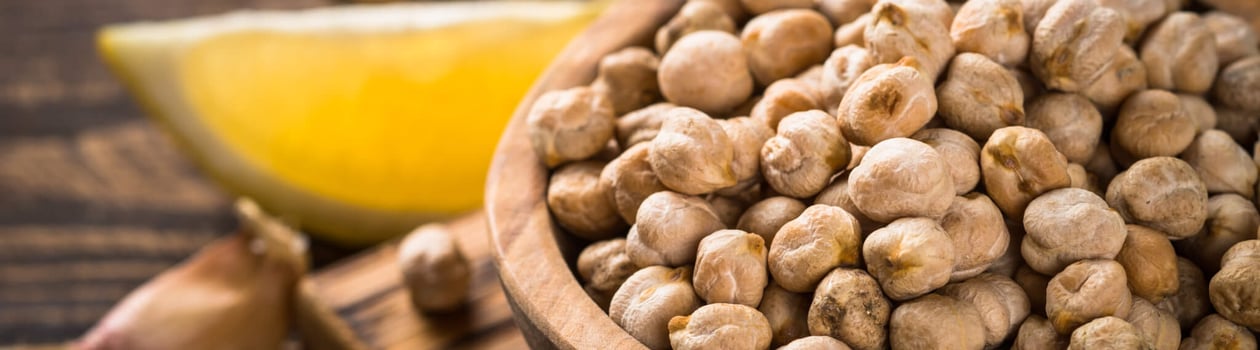
The dried seeds of legumes, pulses are among some of the world’s most sustainable food sources. Chock full of nutrients with a high content of protein, pulses make an excellent dietary staple, particularly in places where meat and dairy products are not as accessible.
They are also famously practical: compact to transport, easy to portion, and happy to wait on a shelf until mealtime inspiration strikes.
World Pulses Day is here to draw attention to and raise awareness about the health benefits of this extremely climate-friendly and healthy food.
It invites eaters, growers, educators, and food businesses to take pulses seriously, not as a “backup protein,” but as a smart staple that supports resilient food systems.
World Pulses Day Timeline
Early Domestication of Lentils and Peas in the Fertile Crescent
Archaeobotanical finds from Neolithic villages in the Near East show some of the earliest domestication of lentils and peas, making pulses among the first cultivated crops alongside cereals.
Chickpeas Enter Early Farming Systems
Evidence from sites in southeastern Anatolia and the Levant indicates that chickpeas were domesticated and integrated into early mixed farming, adding protein and dietary diversity to grain-based diets.
Beans Domesticated in the Americas
Common beans (Phaseolus vulgaris) were independently domesticated in Mesoamerica and the Andes, becoming staple pulse crops in pre-Columbian agriculture and major protein sources for Indigenous peoples.
Legumes Embedded in European Crop Rotations
Biological Nitrogen Fixation in Legumes Demonstrated
German agronomist Hermann Hellriegel and colleague Hermann Wilfarth published experiments proving that legume root nodules, via symbiotic bacteria, enable plants to fix atmospheric nitrogen and enrich soil.
Green Revolution Shifts Attention to High-Yield Cereals
The Green Revolution’s focus on irrigated, fertilizer-intensive wheat and rice boosts global calorie supplies, but often sidelines pulses, contributing to reduced crop diversity in many farming systems.
Global Recognition of Pulses for Sustainable Food Security
History of World Pulses Day
Pulses have been brought to the attention of the world, especially within the last decade. In 2013, the United Nations General Assembly made preparations for declaring 2016 as the International Year of Pulses, and the Food and Agriculture Organization (FAO) played a leading role in bringing that focus to life.
That year-long spotlight was designed to help more people recognize something farmers and cooks have known for ages: lentils, beans, chickpeas, and dry peas are small foods with big ripple effects.
As a follow-up to the International Year of Pulses, the intention for World Pulses Day was declared by the UN in 2018 as a way to move forward with the focus on legumes for one day each year. The inaugural event was celebrated in 2019, and it has happened annually ever since.
The push for an annual day helped keep the conversation moving from awareness into action: not just praising pulses, but encouraging better production, improved access, and more everyday cooking with them.
World Pulses Day also pairs well with the goals of the 2030 Agenda for Sustainable Development because pulses do more than feed people. As leguminous crops, they work with soil bacteria to “fix” nitrogen from the air into the ground in a form plants can use. I
n plain language, they help fertilize the soil naturally. This supports soil fertility and can reduce reliance on synthetic nitrogen fertilizers, which are energy-intensive to produce.
Pulses are also generally associated with a relatively low water footprint compared to many other protein sources and can be well-suited to drier growing conditions, which matters in a world where water can be a limiting resource for agriculture.
Another reason pulses earn their climate-friendly reputation is how well they fit into crop rotations. Farmers often rotate crops to manage pests, diseases, and soil health. Adding pulses to a rotation can diversify the system and help break cycles that build up when the same crop is grown repeatedly. Diversity in the field tends to support biodiversity above and below ground, and a more diverse farm can be more resilient.
World Pulses Day isn’t just a “farm story,” though. It’s also a “kitchen story.” Pulses offer a reliable, nutrient-dense ingredient that can stretch meals, replace part of the meat in familiar dishes, and deliver fiber, iron, folate, and other vitamins and minerals.
Because they store well in dry form, pulses can support household food security and reduce food waste. A pantry stocked with lentils and beans is essentially a meal plan that doesn’t spoil easily.
Working to increase public awareness about the nutritional and environmental benefits of these dried foods, World Pulses Day brings everyone together to equip families, individuals, communities, and business owners with the information they need to make healthy, climate-friendly choices.
The day also encourages innovation across the “pulse value chain,” from better seeds and farming practices to more appealing foods on store shelves and menus.
How to Celebrate World Pulses Day
Make a difference locally and all over the world by spreading the word about World Pulses Day. Show some appreciation for this event and get connected through some of these delightful ideas, whether the goal is to cook more pulses at home, help others feel confident preparing them, or simply understand why they matter.
Learn More About Pulses
World Pulses Day is a great chance to look more closely at one of the most practical food groups on the planet. Pulses are often lumped together with “beans,” but the category is more specific than that—and those details are part of what makes them so valuable for global food systems.
Here are a few pulse facts worth sharing:
• Pulses are a specific type of legume, not all legumes.
All legumes belong to the Leguminosae family, but only dried edible seeds count as pulses. Fresh vegetables like green beans and green peas are legumes but not pulses. Crops grown mainly for oil, such as soybeans and peanuts, are also legumes but not pulses. Pulses include lentils, chickpeas, dry beans, dry peas, and cowpeas.
• Chickpeas are naturally drought-tolerant.
This resilience allows chickpeas to grow in dry and arid regions where many other protein crops struggle. That adaptability is one reason they appear in cuisines across the Middle East, Africa, South Asia, and the Mediterranean.
• Dried pulses are shelf-stable and long-lasting.
Because pulses are dried, they can be stored for long periods without losing much nutritional value. When kept in airtight containers away from moisture and pests, they remain ready for soups, stews, spreads, salads, and plant-based dishes, making them a reliable and budget-friendly pantry staple.
• Pulses are rich in folate and key nutrients.
Folate supports cell growth and development, making it especially important during pregnancy and childhood. Pulses also provide plant-based protein and iron, helping support balanced diets for people of all ages.
To go beyond quick facts, try exploring pulses in a more hands-on way:
- Compare types side by side. Red lentils cook quickly and become creamy, while green and brown lentils hold their shape. Chickpeas stay firm and nutty, and dry peas turn silky in soups.
- Notice how they behave in recipes. Some pulses naturally thicken broths, while others add texture and bite.
- Read ingredient labels. Many modern snacks and packaged foods use chickpea flour or pea protein—World Pulses Day is a good reminder of how widely pulses now appear in everyday foods.
Cook with Pulses
Beans, chickpeas, and lentils are some of the most useful ingredients in the kitchen. They are nutritious, affordable, and easy to work with once you know a few basics. World Pulses Day is a perfect excuse to add them to the grocery list and start weaving them into everyday meals.
Pulses can easily take center stage, but they also work beautifully as supporting players—blended into soups, folded into pasta sauces, tossed into salads, or used to add substance to tacos, bowls, and wraps.
Here are a few pulse-powered recipe ideas to explore:
Vegan Cottage Pie with Green Lentils
Green lentils have a hearty texture that makes them a great stand-in for ground meat. Cooked with onions, garlic, herbs, carrots, peas, mushrooms, and tomato paste, they form a savory filling that works perfectly under a layer of mashed potatoes. It is classic comfort food with a pulse-based twist.
Crispy Baked Falafel with Dried Chickpeas
Traditional falafel starts with dried chickpeas that are soaked, not cooked, then ground with herbs and spices. That soaking step shows how pulses transform before they even reach the stove. Once baked or fried, the falafel becomes crisp on the outside, tender inside, and ideal for wraps, salads, or snack plates.
Smoky Mushroom and Red Lentil Pâté
Red lentils cook quickly and break down into a smooth, creamy texture. Blended with sautéed mushrooms and smoky seasonings, they can create a rich, spreadable pâté that works on crackers, toast, or as a sandwich filling.
Chickpea Stir-Fry with Peanut Sauce
Chickpeas hold their shape well in saucy dishes. In a stir-fry, they add protein and a pleasant chew while soaking up the flavors around them. A peanut sauce brings richness that pairs nicely with their mild, nutty taste.
To make cooking with pulses easier, a few simple techniques go a long way:
- Use canned pulses for convenience. Canned beans, lentils, and chickpeas are already cooked, so they can go straight into salads, soups, and skillet meals. A quick rinse helps remove excess sodium and freshens the flavor.
- Use dried pulses for value and control. Dried pulses are often more economical, and cooking them from scratch allows you to control the seasoning and texture from the start.
When working with dried pulses, these tips help:
- Sort and rinse. Dried pulses can contain small bits of debris from harvesting, so a quick check and rinse is worthwhile.
- Soak when needed. Many beans and chickpeas benefit from soaking, which shortens cooking time and helps them cook evenly. Lentils and split peas usually do not need soaking.
- Simmer gently. A steady simmer cooks beans evenly and helps them keep their shape.
- Season wisely. Aromatics like onion, garlic, bay leaf, and cumin build flavor as pulses cook. Acidic ingredients such as tomatoes or vinegar are often best added after the pulses are tender, since acid can slow softening.
Pressure cookers make pulse cooking even faster. Chickpeas and many beans can be ready in a fraction of the usual time, which makes cooking from dry more practical on busy days. Many people cook a big batch and freeze portions for later, creating a homemade version of canned convenience.
World Pulses Day is also a great moment for a simple “pulse swap”:
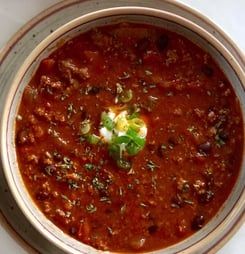
- Use beans and lentils instead of some or all of the meat in chili.
- Blend white beans into creamy soups for body without heavy cream.
- Add lentils to pasta sauce to make it thicker and more filling.
- Use chickpeas in salads the way chicken is often used, seasoned boldly and tossed with vegetables.
Celebrating can be social, too. A pulse-based potluck—where every dish includes beans, lentils, or peas—quickly shows how versatile these foods really are.
From hummus and lentil salads to roasted chickpea snacks, bean-based desserts, or even pasta made from pulse flours, the variety can be surprisingly wide. World Pulses Day is, at its heart, an invitation to make pulses feel normal, delicious, and proudly present in everyday meals.
Facts About Pulses
Get involved with World Pulses Day by learning a little bit more about this interesting and fascinating food source. Check out some fun facts about legumes and share them on social media to increase the impact and range of this day:
While “legumes” are all plants that belong to the Leguminosae family, the “pulses” are only the dried seeds
The chickpea is a pulse that is known to be highly drought tolerant, making it excellent for growing in arid or drought-prone places
Pulses provide food security because they are dried which means they can be stored for a long time without losing nutritional value
Due to their high amounts of folate, pulses are especially beneficial to women and children