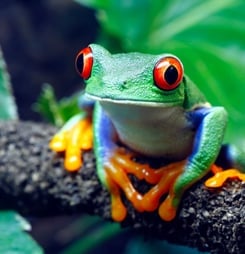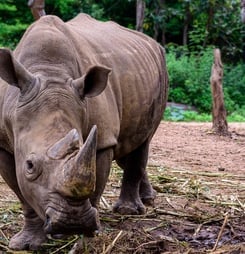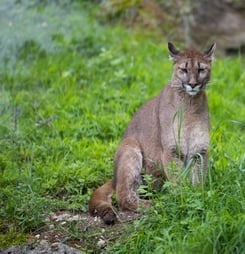

The World is full of amazing creatures from every possible medium. From the birds of the air to the majestic whales of the ea, wildlife abounds in the most unusual and unexpected places.
Wildlife benefits us in many ways and has since timed out of mind. World Wildlife Day is a day to remind us of our responsibilities to our world and the lifeforms we share it with!
World Wildlife Day Timeline
First wildlife conservation act is passed in the US
The Lacey Game and Wild Birds Preservation and Disposition Act is passed by Congress, which is the first legislation of its kind in the United States.
International Union for Conservation of Nature begins
This is the first effort toward conservation that is supported by governments and societal organizations globally and its purpose is to encourage cooperation and the sharing of resources regarding conservation.
World Wildlife Federation is established
A group of individuals who are passionate about protecting endangered species and places bands together to secure funding to this end.
Convention on International Trade in Endangered Species
Negotiated in Washington DC, CITES is an international agreement between governments to protect the survival of various wild species by ensuring that trade does not threaten them. The signing takes place on March 3.
First World Wildlife Day is celebrated
At its 68th session, the United Nations General Assembly (UNGA) declares March 3 as the day to raise awareness and and celebrate the wild animals all over the world.
How to Celebrate World Wildlife Day
You can celebrate World Wildlife Day on your own or with others, whether you just want to spend some time contemplating the majesty of nature or you want to spread the word about just how amazing the world’s wildlife is and how we can protect it.
Visit Some Wildlife
The first thing that always comes to mind when we think about World Wildlife Day is heading out to our local zoo or botanical conservatory and reminding ourselves of the vast variety of life our world offers.
If you have children, this can be one of the best ways to really introduce them to the wonders of the animal and plant kingdom.
If you’re feeling particularly adventurous, an outdoor excursion with a book of local flora and fauna (That’s plants and animals) can help make that connection come even closer to home.
Share with Others
You could also spend the day spreading the word about the importance of our wildlife. If you love our planet, what better way to celebrate everything on it than to encourage other people to care about it too?
You might create an event, get people to sponsor you or create some education materials. Choose a cause that matters to you, whether it is a local one or an international wildlife issue that you want to highlight.
Enjoy Wildlife Day Activities
Another way you can get involved is finding out what this year’s theme is by stopping by the World Wildlife Day website and finding ways to get involved.
The website has a map of events that you can search to discover things to do near you, or you could add your own event to encourage others to get involved too.
You can find a range of useful materials on the site too, including posters, logos, a social media kit, and a special action card that you can use to take photos.
You can find suggestions for World Wildlife Day hashtags to use on social media or any materials that you create for your event too.
Some of their suggestions for getting involved include running a competition, engaging with influencers, celebrities and politicians, and showing your appreciation for those who help to conserve wildlife every day.
Advocate for Conservation
There are few things as important as making sure that the world’s biosphere remains healthy, every time we lose a plant or animal, we have no way of knowing if a cure for a disease or some new medical breakthrough was lost with them.
World Wildlife Day is your opportunity to do your part in preserving our world.
Facts About World Wildlife Day
Wildlife Populations Have Fallen Dramatically Since 1970
According to the WWF’s Living Planet Index, monitored populations of mammals, birds, amphibians, reptiles and fish declined by an average of about 69% between 1970 and 2018, with the steepest drops recorded in Latin America and the Caribbean and in freshwater ecosystems.
Scientists identify habitat loss and degradation, overexploitation, pollution, invasive species and climate change as the main drivers of this rapid decline in global wildlife.
Wild Plants and Animals Underpin Global Food Security
The UN’s biodiversity panel (IPBES) estimates that more than 50,000 wild species are used for food, energy, materials and medicine, and that roughly 70% of the world’s poor are directly dependent on wild species or ecosystems for their livelihoods.
Wild fish alone provide about 17% of the animal protein consumed globally, underscoring how heavily human diets still rely on healthy wild populations and ecosystems.
CITES Now Regulates Trade in Tens of Thousands of Species
The Convention on International Trade in Endangered Species of Wild Fauna and Flora (CITES) has expanded from covering a few hundred species in the 1970s to regulating international trade in more than 40,900 species of animals and plants today.
By requiring permits and strict controls for listed species, CITES seeks to ensure that cross‑border commerce is legal, traceable and not detrimental to the survival of these species in the wild.
Crocodiles and Alligators Are a Noted CITES Success Story
In the mid‑20th century, many crocodilian species were pushed toward extinction by unregulated hunting for the skin trade, but CITES listings in the 1970s and 1980s helped reverse this trend through strict trade controls and sustainable‑use programs.
Subsequent population recoveries allowed the American alligator and several crocodile species to be transferred to less restrictive CITES appendices once scientific reviews showed that regulated trade would not threaten their survival.
Illegal Wildlife Trade Is a Multibillion‑Dollar Crime Market
The UN Office on Drugs and Crime reports that the illegal trade in wildlife, including timber and marine species, generates billions of dollars in criminal proceeds each year and spans every region of the world.
Trafficking networks target species ranging from elephants and rhinos to pangolins and rare reptiles, undermining conservation efforts, fueling corruption and depriving many countries of potential legal revenue from sustainable use.
Habitat Loss Is the Leading Threat to Terrestrial Wildlife
Global assessments by IPBES conclude that land‑use change, particularly the conversion of forests, wetlands and grasslands into agriculture and urban areas, is the primary driver of biodiversity loss on land.
Fragmented and degraded habitats make it harder for species to find food, migrate and reproduce, which in turn leaves many wildlife populations more vulnerable to overexploitation, invasive species and climate change.
Wildlife‑Rich Ecosystems Store Vast Amounts of Carbon
Research assessed by the Intergovernmental Panel on Climate Change shows that intact forests, peatlands, mangroves and seagrass meadows, which often host exceptional wildlife diversity, are also among the planet’s most effective long‑term carbon stores.
Protecting these ecosystems can help keep hundreds of billions of tons of carbon locked away in vegetation and soils while preserving critical habitats for countless species.
World Wildlife Day FAQs
Even though we might like to think so sometimes, humans aren’t the only living things on Earth. In fact, we’re far outnumbered by other living things, from animals and plants to fungi and bacteria.
Wildlife isn’t just something that we passively observe; it’s part of our world, and something we need to care for. World Wildlife Day is your chance to celebrate all wildlife, from the smallest insect to blue whales. No matter what you love about wildlife, you can spend the day taking action to help protect it.
This day is all about raising awareness of wild flora and fauna across the world. Whether you love animals, you’re passionate about plants, or you’re concerned about climate change, it’s the day that you can use to educate yourself or others.
You can celebrate the incredible biodiversity across the world and perhaps get out there to explore the huge range of flora and fauna the world has to offer. Celebrating World Wildlife Day is a must for anyone who loves our planet.
History of World Wildlife Day
On March 3rd, 1973 the United Nations General Assembly took a stand to protect Endangered Species throughout the world.
Whether plant or animal, the importance of these species in every area of human life, from culinary to medical, could not be understated.
At this time hundreds of endangered species were being threatened every year, and extinction was at a staggeringly high rate. CITES was put into place (Convention on International Trade in Endangered Species) to ensure that the world did not continue to hemorrhage species that would never be seen from again.
On December 20th, 2013 another step was taken to help spread awareness of the fragility of endangered species in the world.
At its 68th session, the UN declared that each year World Wildlife Day would be dedicated to a new purpose and idea to help keep people abreast of the changing nature of our world, and the treasures we stand to lose from the animal and plant kingdom if we don’t take care.
Sometimes the day highlights an endangered animal or group of animals, while in other years, it has focused on a specific issue affecting the world of wildlife. Previous themes have included getting serious about wildlife crime and listening to young voices.
World Wildlife Day is implemented by the CITES Secretariat, working together with relevant UN organizations. The day might not have been around for long compared to some others, but it’s already made a big impact. If you are passionate about the Earth and everything on it, celebrating is a must.