
Doubtless, we’ve all received those wonderfully knitted sweaters from our grandparents as we were growing up, but things have changed in the past decades. Knitting is no longer the province of the elderly but has been taken up by all ages as a way to create something lovely, to promote social change, and to spend some time peacefully meditating as they knit one, purl two their way to higher consciousness. Alright, that may be a bit hokey, but it is a relaxing practice often best enjoyed with a bottle of wine.
How To Celebrate Knit In Public Day
Start Knitting!
Well, the solution is right there in the name, you can celebrate Worldwide Knit In Public Day by knitting in public! You can share all the wonders of knitting with the world around you, and start practicing a new hobby.
You can also participate in a little hobby called ‘yarn bombing’ where public places are beautifully adorned in colorful swatches of knitted fabric. What exactly? Everything you can imagine from bike stands to light poles, to trees! Everything can be covered in a beautiful array of colorful yarn.
Collaboarate with Other Knitters
WWKIPD can be a great adventure, heading out to the yarn stores and gathering with others of like mind to join in the celebration of this ancient practice. Just think of all the wonderful techniques you can learn, and trust us, if you ever wear a pair of hand-knit socks, you’ll never go back to store-bought again.
Join a Local Event
We also recommend taking a look online to see if there are any local knitting events going on in your area. After all, there are thousands of local events that take place around the world on Worldwide Knit in Public Day, and so you may be in luck and discover that there is something going on near you! If not, or if you’re someone who likes to plan parties and special occasions, why not organize your own local event?
All you need to do is find a public place and get everyone involved! You can do anything from a beginner’s class to teaching children how to knit; the options are endless. You can even choose a themed knitting day, for example, getting everyone to knit something related to films or places!
Gather Loved Ones
Worldwide Knit in Public Day is also the perfect excuse to have a meet-up with your friends! What could be better than knitting, crocheting, and enjoying a few treats out in the sunshine? Why not organise a picnic day with all of your loved ones? This gives you a great opportunity to catch up with those you love and to enjoy something you probably would not usually do.
Host a Charity Event
Another way to honor Worldwide Knit in Public Day is by including a charity element. This is something that a lot of people have done over the years. For example, you could put together a knitting event or group that involves people knitting blankets that you can then give to the homeless.
Another option is to get everyone to create blankets for children in hospitals. There are a lot of great causes out there if you would like to use Worldwide Knit in Public Day as a way to give back to others in the community.
Learn About Worldwide Knit in Public Day
The purpose of Worldwide Knit in Public Day is to show that knitting is for all ages and that it’s a fun and enjoyable activity, and something that you can proud of. For a long time, we have associated knitting with something our grandparents do.
However, it is an activity that can be enjoyed by all, and that’s what this day is all about. It’s a great way to encourage people to try knitting who have never tried it before, or even thought about giving it a go!
Worldwide Knit in Public Day Timeline
Earliest surviving knitted garments
Some of the oldest known knitted pieces, including patterned cotton and wool socks, were made in Egypt and the Islamic world, showing advanced techniques such as purl stitches and colorwork.
Knitting spreads across medieval Europe
Knitting becomes widespread in Europe, with fragments and garments found in places such as Spain and Italy, and professionally knitted silk stockings appearing in royal and aristocratic wardrobes.
Invention of the stocking frame
English clergyman William Lee invents the stocking frame, the first knitting machine, which dramatically speeds up production of hosiery and helps establish a commercial knitting industry.
Patriotic knitting for soldiers
Governments and relief organizations in countries such as Britain and the United States urge civilians to knit socks, scarves, and other garments for troops, turning knitting into a visible public act of wartime service.
Mass campaigns and coded stitches
Knitting again becomes a home‑front duty, with official patterns circulated for military wear; museum research records both large-scale volunteer efforts and even stories of secret messages encoded in knitted items.
From domestic chore to creative craft
As cheap, ready‑made clothing spreads, hand knitting declines as a necessity but reemerges as a hobby linked to counterculture, designer knitwear, and growing interest in traditional techniques and natural fibers.
Global knitting revival and social knitting
Online communities, pattern-sharing sites, and local knitting groups spark a renewed enthusiasm for knitting as a social and creative practice, laying the groundwork for organized public knitting meetups around the world.
History of Worldwide Knit in Public Day
The world has knitter Danielle Landes to thank for World Wide Knit in Public Day (W.W.K.I.P.D) – and to say that the world’s knitters have turned out in their droves to support her quest to show that knitting is not just for grannies is something of an understatement.
Each event – known as a KIP and brandishing the slogan ‘Better Living Through Stitching Together’ – is run by local groups and despite its reputation as a single day often takes the form of a week-long celebration of both knitting and alternative fiber art forms.
The popularity of these KIPs continues to grow, with groups often choosing a theme for their particular event. Popular themes include knitting for hospitals, community art projects, environmental concerns, and premature babies – all of which are worthy causes to benefit from those with a love of yarn.
To give you an understanding of just how popular Worldwide Knit in Public Day is, it is actually the biggest knitter-run event across the globe. Over the years, there have been local events across the globe. This includes in locations such as Germany, the United States, Sweden, South Africa, Poland, Norway, Ireland, France, Finland, England, China, and Australia.
The event seems to get more and more popular with every year that passes as well. In 2005, there were only 25 local events that were taking place worldwide. In 2007, this number quickly reached 200. In 2016, it surpassed the 1,000 mark! Now that’s what we call a success!
Worldwide Knit in Public Day Facts
Knitting Once Helped Power Early European Economies
By the late 1500s, organized knitting schools in English cities such as Lincoln, Leicester, and York trained children and the poor to produce stockings and caps for sale, turning hand knitting into a significant cottage industry that fed into urban and export markets before mechanized frames took over much of the trade.
The First Knitting Machine Sparked Labor Tensions
In 1589, English clergyman William Lee invented the stocking frame, the first mechanical knitting machine, near Nottingham; although it increased productivity, it also triggered opposition from hand knitters and concerns from Queen Elizabeth I about potential job losses, so his request for a patent was initially rejected.
Knitting Circles Have Documented Mental Health Benefits
Clinical and health-system reports describe group knitting as a low-cost “occupational therapy” that can reduce stress and anxiety, with Henry Ford Health noting that the rhythmic motions lower heart rate and blood pressure, while social interaction in knitting groups helps ease symptoms of depression and loneliness.
Repetitive Stitching Can Help Quiet Intrusive Thoughts
Psychologists observing knitters have found that focusing on a simple, repetitive pattern can interrupt ruminative thinking, giving anxious people something neutral and predictable to concentrate on, which in turn is reported to lessen the intensity of worry and create a portable coping strategy for stressful public situations.
Knitting May Help People Cope With Chronic Pain
Work summarized by Henry Ford Health, drawing on research by therapeutic knitting advocate Betsan Corkhill, suggests that knitters with chronic pain report reduced pain perception while stitching, likely because attention is redirected from the pain to counting stitches and managing the work in their hands.
The Yarn Bombing Movement Turned Craft into Street Art
Modern “yarn bombing” or knit graffiti began drawing international attention in the mid‑2000s, with groups like Houston’s Knitta Please wrapping signs, lampposts, and even buses in colorful knitting, reframing a traditionally domestic craft as a playful intervention in public space and inspiring similar projects worldwide.
Acrylic Yarn Sheds Microplastics into Waterways
Because acrylic yarn is a petroleum-based synthetic fiber, laundering acrylic knitwear releases large numbers of tiny plastic fibers into wastewater; environmental advocates warn that these microplastics persist in oceans and rivers, where they can be ingested by marine life and enter food chains.



You may also like
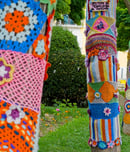
International Yarn Bombing Day
Celebrate International Yarn Bombing Day by transforming public spaces with colorful knit and crochet art, spreading creativity, community, and cozy street style.
- Australia
- Canada
- United Kingdom
- and 1 more
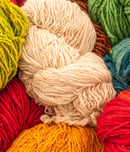
I Love Yarn Day
Hop on social media to get involved in I Love Yarn Day, a day for sharing and exploring all sorts of yarn-based crafts, from knitting to crochet and beyond.
- Australia
- Canada
- United Kingdom
- and 1 more
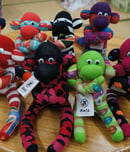
National Sock Monkey Day
These soft, colorful, cuddly companions are a fun way to add some personality to any room — perfect for both kids and adults alike!
- Canada
- United Kingdom
- United States

International Amigurumi Day
Crafting tiny, charming creatures brings joy, unleashing creativity and providing a delightful escape into handmade whimsical worlds.
- Japan
National days and holidays on June 13

Vivid Sydney
Vivid Sydney is a dazzling celebration that transforms the city into a vibrant playground of lights, music, and creativity. For weeks, iconic landmarks and urban spaces glow with stunning light installations and 3D projections, captivating both locals and tourists. This festival draws millions of visitors each year, offering an enchanting...
- Australia

World Gin Day
Raise a glass to World Gin Day, celebrating juniper spirits with tastings, cocktail events, history, and creative ways to enjoy gin responsibly worldwide.
- Australia
- Canada
- United Kingdom
- and 1 more

Trooping the Colour
Discover the history, pageantry, and military precision of Trooping the Colour, the King’s Birthday Parade that honors the British monarch and armed forces.
- United Kingdom

Feast of St. Anthony
Discover the Feast of St. Anthony, honoring the beloved saint with blessed bread, prayer, charity, and community celebrations rooted in faith and hope.
- United States
Seize Every Day
Join free for personalised recommendations, email reminders and exclusive guides. Never miss a day.