Distilled spirits have been with us for a very long time, and all of them have rich histories covering the sometimes mysterious origins of their use.
While spirits have long been used medicinally, only one started as a medicine and then became a mixer for one of the most important medicines in history.
This delicious, smooth drink is distilled from the berries of the Juniper tree and can trace its origins back to an older drink from the Netherlands known as Jenever.
How to Celebrate Gin Day
Celebrating Gin Day is best done by diving straight in and experimenting with some of the drinks that gin has made amazing.
Hop Online
Take a look at some fun websites for a list of drinks that are out of this world! And don’t forget to check in with the Gin Monkey to get the updated list of the best places in the world to have a smashingly good cocktail!
Enjoy a Gin Cocktail
World Gin Day is the best day (other than yesterday and tomorrow) to have a nice Gin Cocktail!
To make it an adventure, travel to one of the original gin bars and try a range of mixers and cocktails. Some of the best establishments offer “house drinks” with a unique twist you can’t get anywhere else. While the classic drink is gin and tonic, there are now a host of variations that you can try.
Enjoy World Gin Day Events
If you don’t want to travel, you can check to see whether anybody is organizing a World Gin Day-related event in your local community. Local gin companies will often arrange street parties where people can show up and sample local beverages made in their area. Many of these events also provide food and even opportunities to improve your cocktail-making skills.
The organizers of the event have expanded their activities all over the world. You can attend taste-testing sessions, gin-related treasure hunts, pop-up markets focusing on gin, and garden parties. Just look for what’s going on in your local area by visiting the official World Gin Day website.
Make Your Own Gin Drinks
Finally, you can also experiment with making your own gin beverages at home. There are dozens of recipes out there, both traditional and modern, that you can try to emulate.
Red Lake, for instance, is a gin drink made of 1.5 oz Monkey 47 Gin, raspberry syrup, and lime juice. Likewise, Feeling Blue is a cocktail that uses 2 oz gin mixed with lemon juice, grapefruit bitters, tonic water, and dry Vermouth.
Gin is one of the most important liquors in the world and the basis for some of our most beautiful drinks. Just like wine, it is possible to become a connoisseur and learn the different tastes and subtle notes from each producer.
Just remember to celebrate World Gin Day responsibly. Aim for merriment, not inebriation!
World Gin Day Timeline
Juniper Spirits in the Low Countries
Distillers in the Low Countries developed malt wine spirits flavored with juniper for medicinal use, creating jenever, the direct forerunner of modern gin.
Gin Craze and Regulation in England
After William of Orange’s accession, gin became hugely popular in England, sparking the Gin Craze and prompting Parliament to pass a series of Gin Acts to curb widespread abuse.
Coffey Still and Cleaner Spirits
Aeneas Coffey patents the continuous column still, allowing lighter, purer base spirits that pave the way for the crisp style later known as London dry gin.
Tonic Water and Quinine Go Commercial
London chemist Erasmus Bond patents a commercial quinine tonic in 1858, and Schweppes launches “Indian Quinine Tonic” in 1870, setting the stage for the classic gin and tonic.
Classic Gin Cocktails Emerge
Bartenders in Europe and the United States popularize gin-based cocktails such as the martini, Tom Collins, and predecessors of the Negroni, cementing gin as a versatile mixing spirit.
Gin Yields to Vodka
Shifting tastes and aggressive vodka marketing led to a long decline in gin’s popularity, with many drinkers favoring neutral spirits and fewer classic gin cocktails being ordered at bars.
Craft Gin Revival
Small distilleries across Europe and beyond rediscover gin, experimenting with regional botanicals and traditional methods, sparking a global renaissance in juniper spirits.
History of Gin Day
Gin Day was established by England’s own connoisseur of the juniper-based drink, the Gin Monkey. Emma, the titular Gin Monkey, has been a huge fan of cocktails of all kinds and has worked throughout the Newcastle, London, and Leeds area in multiple cocktail bars.
Taking this experience to the streets she created her Gin Monkey site, put together with the intent of saving intrepid bar-hoppers from finding the worst of the alcohol joints at their destination. After having had an incredibly hard time finding anything worth drinking when she first arrived in London, she decided someone had to solve this problem for other travelers, and it might as well be her.
Since then she’s taken a dedicated role in providing independent and impartial views of the gin joints in her area… well, they serve more than gin, but one is allowed to have a favorite, wouldn’t you say?
But gin has had a noble history as a medicine as well, or rather, as a way to make medicine more palatable. Quinine is the distillation of the ground bark of the cinchona tree, which produced a tonic that was capable of treating malaria.
Unfortunately, the quinine was incredibly bitter, and gin was used to cut it. The flavor caught on, and to this day, the tonic in the Gin and Tonic contains the slightest bit of quinine to capture the flavor of the original.
The history of World Fin Day itself began in 2009, following the efforts of an avid gin connoisseur, Neil Houston. He was already a massive fan of gin, but wanted to find a way to bring the drink to more people so that they could enjoy it.
At the time, it looked as if other spirits might supersede gin. So he and the “Gin Monkey” Emma Stokes, teamed up to launch the first World Gin Day in Birmingham as a way to popularize a gin bar. In 2010, they launched a similar event in London and have been celebrating this juniper-based beverage like clockwork ever since.
World Gin Day started as a tiny event in 2009, but it has since grown to enormous proportions. In the last few years, things have really taken off. At the last count, the organizers reached more than 200 million social media users and ran events in more than 30 countries.
Those in charge now put on a vast range of events – everything from tasting to lectures on the drink’s origins.
Prominent figures associated with the day run masterclasses, too, where participants learn how to make drinks. And there are even professional courses where bartenders can up their game.
World Gin Day Facts
Juniper Spirits Began as Medieval Medicine
Long before gin became a bar staple, European monks and early physicians were distilling grain spirits with juniper berries as a remedy for ailments like stomach complaints, kidney problems, and gout.
Records of juniper-flavored medicinal spirits date back to at least the Middle Ages, and by the 16th and 17th centuries Dutch “jenever” was widely sold in apothecaries as a cure-all rather than a recreational drink.
The Dutch Never “Invented” Gin Overnight
A popular story credits 17th-century Dutch physician Franciscus Sylvius with inventing gin, but historical tax records and references show juniper spirits were already being produced in the Low Countries decades before he was born.
Modern historians note that genever evolved gradually from existing grain spirits and herbal remedies, making the idea of a single inventor a persistent but inaccurate myth.
London’s “Gin Craze” Turned a Spirit into a Social Crisis
In early 18th-century London, relaxed distilling laws and cheap grain led to an explosion of gin production, with thousands of gin shops operating and many households distilling their own.
This “Gin Craze” saw gin consumption soar across all classes, contributing to public disorder, rising crime, and health problems, which in turn prompted the British government to pass a series of Gin Acts in 1736 and 1751 to rein in the trade.
How Law Legally Defines What May Be Called Gin
Under European Union regulations, gin must be a spirit flavored primarily with juniper, with a minimum strength of 37.5% alcohol by volume, while London Dry Gin must also be produced by redistilling ethanol with natural botanicals and may not contain added sweetening beyond a tiny threshold.
U.S. rules are similar but set the minimum strength at 40% ABV and do not require redistillation, which is why American “compound gins” flavored by maceration or essences are permitted.
Gin and Tonic Grew Out of Malaria Medicine
The classic gin and tonic began as a practical medical measure in 19th-century British India, when officers were required to take bitter quinine as a prophylactic against malaria.
Once commercial tonic waters appeared in the 1850s, containing dissolved quinine, officers mixed them with gin, sugar, and citrus to make the dose more palatable; by the late 19th century, printed sources in India were already describing the drink as a refreshing staple rather than just a remedy.
Modern Gins Use Botanicals from Every Corner of the Globe
Contemporary distillers work with a far broader palette of botanicals than the juniper, coriander, and citrus peels that dominated traditional recipes.
Seaweed, kaffir lime, saffron, lavender, wild forest herbs, and even unusual ingredients like ants have been used to create distinctive flavor profiles, reflecting both local terroir and a willingness to push the boundaries of what a juniper-led spirit can taste like.
Spain’s “Gin-Tónica” Helped Rebrand Gin as a Gastronomic Drink
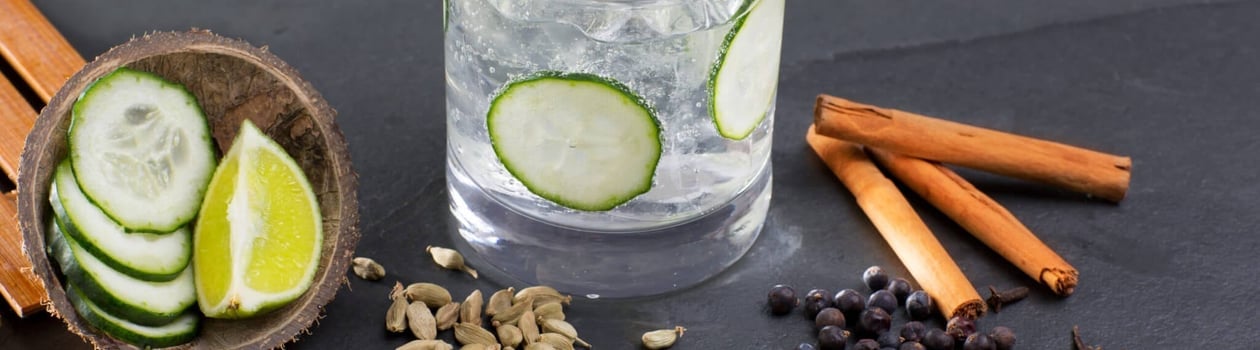
In the late 20th and early 21st centuries, Spain developed its own ritualized version of the gin and tonic, served in large balloon glasses with precise ice, premium tonic, and elaborate garnishes like citrus peels, fresh herbs, and spices.
This “gin-tónica” culture turned the drink into a centerpiece of culinary and bar culture in cities like Barcelona and Madrid, and is widely credited by spirits writers with helping to drive gin’s global renaissance in the craft cocktail era.