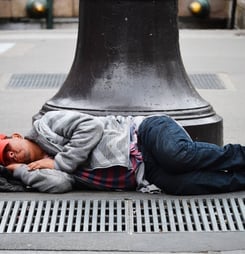
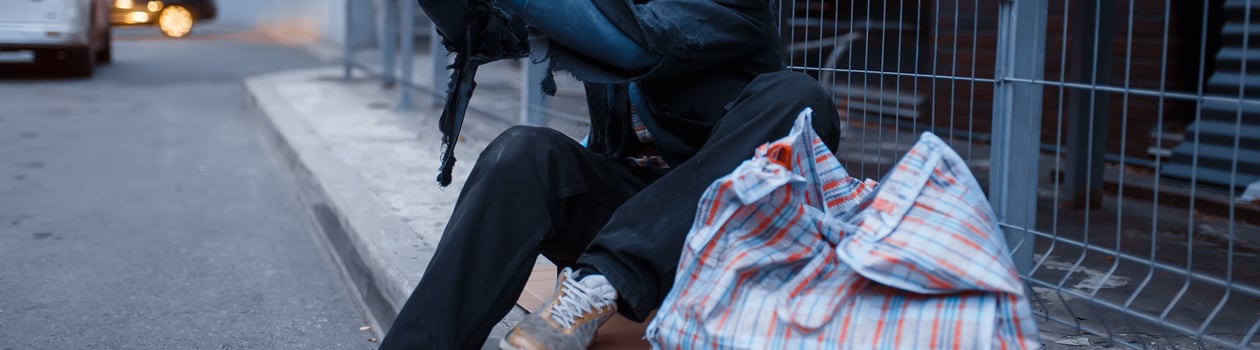
Youth Homelessness Matters Day draws attention to something often overlooked—young people without a stable place to live. Many face uncertain nights, staying with friends, in shelters, or in places not meant for living.
This day speaks up for them, reminding us that they deserve more than just getting by. They need safety, support, and a fair shot at building a better life.
It’s a moment to focus on their voices and their right to feel secure, respected, and hopeful.
So many young people find themselves without a home for reasons they didn’t choose. Things like family conflict, financial hardship, or feeling unsafe can push them out. Once they’re on their own, getting help becomes harder.
That’s why this day matters—it encourages real support, not just kind words. Access to housing, education, and mental health care can change everything.
When we care enough to act, we help young people move from surviving to thriving. And that helps us all.
Youth Homelessness Matters Day Timeline
First Modern Study of Runaway and Homeless Youth in the U.S.
The U.S. Office of Juvenile Justice and Delinquency Prevention funds early nationwide research identifying runaway and “throwaway” youth as a distinct homeless population, helping shape later services and policy responses.
McKinney-Vento Homeless Assistance Act Passed in the United States
The first major federal legislation addressing homelessness includes provisions for homeless children and youth, requiring states to remove barriers to their education and recognize their specific needs.
UN Convention on the Rights of the Child Adopted
The Convention establishes every child’s right to an adequate standard of living, including housing, and obliges governments to protect children from neglect and exploitation, influencing later youth homelessness strategies worldwide.
ReCast of Australian Supported Accommodation Assistance Program
Australia revises its national Supported Accommodation Assistance Program, explicitly recognizing homeless young people as a priority group and funding youth-specific crisis and transitional housing services.
UK Rough Sleepers Unit and Youth-Focused Strategies
The United Kingdom creates the Rough Sleepers Unit and incorporates youth-focused measures, including support for young people leaving care, to prevent and reduce homelessness among those under 25.
Homelessness Act 2002 in England and Wales
The Act requires local authorities to assess and plan for homelessness, with statutory guidance emphasizing duties to 16- and 17-year-olds and care leavers, embedding youth homelessness in local housing strategies.
UN Resolution on Guidelines for the Alternative Care of Children
The UN General Assembly endorses guidelines calling on states to prevent family separation, support families in crisis, and provide appropriate care for children without parental care, addressing pathways into youth homelessness.
How to Celebrate Youth Homelessness Matters Day
Start the Conversation
Talking about youth homelessness helps break the silence. Ask questions, share facts, and listen to real stories.
Use social media to raise awareness. Avoid judgment. Be kind, curious, and open to learning something new.
Support Local Shelters
Find a nearby youth shelter and offer help. Donate money, clothes, or personal care items. Contact them to see what’s needed.
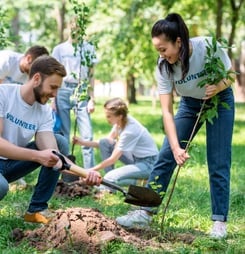
Some shelters welcome volunteers to help with meals, tutoring, or activities. Every small effort counts.
Host a Fundraiser
Organize a bake sale, art show, or movie night. Let friends know the purpose behind it. Choose a local youth organization to support. Keep it fun but focused. Use the event to educate and encourage giving.
Write to Leaders
Send a short letter or email to your local representative. Ask for stronger support systems for homeless youth.
Mention specific ideas like housing programs or school-based services. Policy change starts with people speaking up.
Share Helpful Resources
Post hotlines, shelter contacts, and mental health links. Make sure the information is easy to find and understand. Use flyers, posts, or word of mouth. Someone struggling might see it at just the right time.
History of Youth Homelessness Matters Day
Youth Homelessness Matters Day (YHMD) began in 1990 in Australia. A group of youth workers and advocates came together after noticing a growing number of young people without safe homes.
Many of these young individuals were not living on the streets but staying with friends, in overcrowded places, or moving from house to house.
They lacked stability, privacy, and the support needed to succeed. The founders of this campaign wanted to create a space where these voices could be heard and understood.
Over the years, the day gained national recognition. Organizations like Yfoundations helped lead the movement. They pushed for better services, housing options, and policies to protect young people at risk.
Youth Homelessness Matters Day now serves as both a reminder and a call to action. It raises awareness and encourages open conversations about why this issue exists and how to change it.
The campaign involves schools, community groups, and everyday citizens. It’s about making sure that young people have a fair chance—no matter their background. By supporting this day, people can help rewrite the story for thousands of young lives.