One must ask children and birds how cherries and strawberries taste
Johann Wolfgang Von Goethe
If ever there was a symbol for summer that transcended the sun, it has to be the strawberry. Within the strawberry, there is a whole mood: bright color, sweet scent, and that almost unfair way it can taste like dessert even when it is eaten straight from the plant.
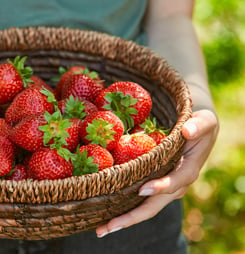
National Pick Strawberries Day leans into that simple pleasure and turns it into an activity worth planning for: getting outside, finding ripe berries, and gathering a basketful with one’s own hands.
The best strawberries are the ones that go from plant to mouth with minimal delay. They are tender, easily bruised, and famously less exciting when they have traveled long distances or sat too long in storage.
Picking them fresh, ideally when they are fully red and still cool from the morning air or warm from the sun, highlights everything people love about them: intense aroma, juicy texture, and the kind of sweetness that never needs an introduction.
How to Celebrate National Pick Strawberries Day
Pick Some Strawberries
First off, get out there and pick some strawberries. U-pick farms make it easy to turn berry picking into an outing, and home gardeners often discover that a small patch can produce more than expected when plants hit their stride. Either way, the goal is the same: gather berries at peak ripeness and enjoy the oddly satisfying rhythm of spot, pinch, lift, and drop into the container.
A little strategy makes the experience smoother. A shallow container helps prevent crushing the fruit at the bottom, and comfortable clothing is not just a practical choice but a kindness to future happiness. Strawberry plants sit low, so knees and backs tend to have opinions about the length of the outing. Some pickers bring a small stool or kneeling pad, especially when working a backyard bed.
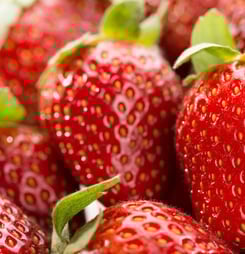
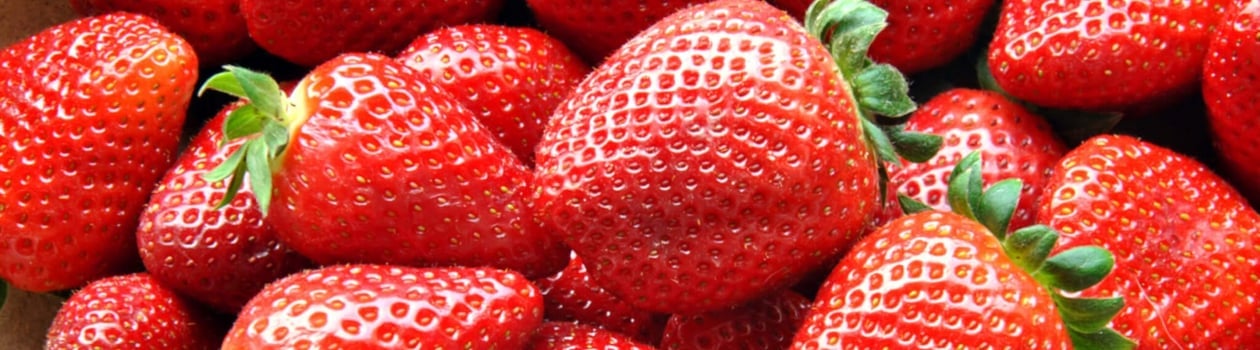
Knowing what “ripe” looks like is also half the fun. Strawberries do not continue to ripen much after they are picked, so selecting berries that are fully colored matters. A ripe berry is typically red all the way to the shoulders, with a glossy surface and a plump shape.
Pale tips often signal a berry that will taste more tart than sweet. It also helps to look under leaves, because the best berries seem to enjoy hiding like they are playing a game.
Picking technique can protect both the fruit and the plant. Instead of yanking the berry itself, many experienced pickers pinch or snap the stem just above the cap. That little green top, called the calyx, acts like a built-in handle and can help reduce bruising. Gentle handling matters because strawberries are delicate; even a firm squeeze can create soft spots that turn into leaks and mush later.
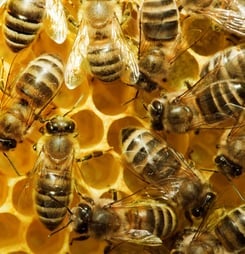
It is also worth keeping an eye out for visitors. Bees and other pollinators are part of the strawberry’s success story, and they tend to be busy rather than bothersome. Birds, on the other hand, often share a strong opinion about the best berries. Some growers use nets to protect crops, but in a u-pick setting, the picker’s main job is simply to stay aware and not step on plants while hunting for the reddest prizes.
Once the basket starts filling, quality control becomes important. Strawberries that are overripe, split, or already soft are better enjoyed immediately or reserved for cooking, while the firmest berries can be saved for snacking and fresh desserts. Keeping the harvest out of direct sunlight also helps; strawberries can heat up quickly, and heat speeds up softening.
Make Some Strawberry Treats
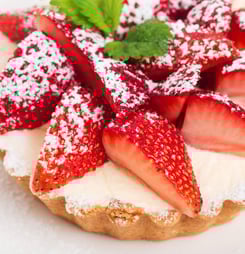
Once there is a bounty of strawberries, it is time for strawberry shortcake, the classic reward for all that bending and searching. The basic method is charmingly simple: slice strawberries, toss them with a bit of sugar, and let them sit until they release their juices. This process, often called maceration, creates a naturally syrupy mixture that soaks beautifully into cake or biscuits.
For a particularly fragrant result, some cooks add a tiny pinch of salt to sharpen flavor, or a splash of something bright like citrus juice. Others crush a few berries with a fork to jump-start the syrup. None of it is complicated, but each small tweak changes the final bowl of berries in a way that feels personal, which is exactly the point.
While the strawberries rest, the base can be prepared. A yellow pound cake is an easy choice and bakes into a tender platform for the fruit. Traditional shortcake is often more biscuit-like, lightly sweet and flaky, giving the berries a buttery contrast. Either option works, and both have devoted fans. The best pick is whichever makes the kitchen smell irresistible.
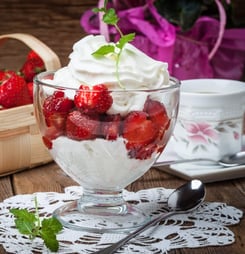
Assembly is the fun part: a slice of cake, a generous spoonful of berries, then whipped cream. Some people add vanilla ice cream for a cold, creamy finish, especially when the berries are especially ripe, and the juices are pooling like ruby syrup. It is messy in the best way, and it tastes like a celebration that does not require fancy planning.
National Pick Strawberries Day is also a good excuse to stretch beyond shortcake. Fresh strawberries can turn into quick jam with nothing more than sugar and heat, or become a freezer-friendly sauce for pancakes and yogurt.
They can be blended into smoothies, folded into muffin batter, or sliced over oatmeal. For something unexpected, strawberries can even show up in salads with greens, nuts, and a tangy dressing, proving they are not only a dessert ingredient.
Handling the harvest well keeps the treats tasting fresh. Many cooks avoid washing strawberries until just before eating because moisture encourages mold. When it is time to clean them, a gentle rinse and careful drying does the trick. Hulls are usually removed after washing so water does not soak into the berry, and a small paring knife or straw can make quick work of the caps.
When the picking enthusiasm outpaces immediate appetites, freezing can save the day. Slicing berries and freezing them on a tray before transferring them to a container helps prevent clumping. Frozen strawberries are excellent for smoothies, sauces, and baking, and they carry the memory of a sunny picking day into later meals.
National Pick Strawberries Day Timeline
Strawberries as a Delicacy and Medicinal Plant
Roman writers such as Pliny the Elder describe wild strawberries being gathered from hillsides for food and for use in remedies, showing that Europeans valued the fruit long before it was cultivated in gardens.
Strawberries Enter European Gardens
By the 1300s, Europeans began transplanting wild woodland strawberries (Fragaria vesca) into monastery and royal gardens, marking the shift from casual foraging to intentional strawberry cultivation.
Woodland Strawberry Described in Herbal Literature
English herbalist John Parkinson published “Paradisi in Sole Paradisus Terrestris,” detailing the cultivation and uses of the “wood strawberry,” which reflected the growing interest in systematically growing strawberries for household use.
Introduction of the Chilean Strawberry to Europe
French officer Amédée-François Frézier returned from Chile with plants of Fragaria chiloensis, whose large fruits were later crossed in European gardens with North American strawberries, laying the groundwork for the modern strawberry.
Creation of the Modern Garden Strawberry
In Brittany, France, accidental hybridization between the North American Fragaria virginiana and the Chilean Fragaria chiloensis produced Fragaria × ananassa, the large-fruited garden strawberry that became the basis of most commercial varieties.
Rise of Commercial Strawberry Growing in California
With irrigation projects and railroad expansion, California developed large-scale strawberry production, eventually becoming the leading U.S. producer and shaping modern varieties, shipping methods, and harvest practices.
Development of Plasticulture and Pick-Your-Own Farms
The adoption of plastic mulch and other “plasticulture” techniques boosted yields and weed control, while many farmers opened their fields to customers as pick-your-own operations, turning strawberry harvesting into a popular seasonal outing.
History of National Pick Strawberries Day
First, let’s talk about the origin of the strawberry. These beautiful red jewels dangling from their green vines seem just a bit too perfect to have been the pure manufacture of Mother Nature, so where did they come from? As it turns out, they did come from nature, and they come with a botanical twist that makes them even more interesting than their good looks suggest.
What most people call the “seeds” on the outside of a strawberry are actually tiny individual fruits, each one holding a seed inside. The red, juicy part is an accessory structure that swells around them. It is a delightful bit of plant design: a fruit that wears its fruit on the outside. This unusual structure is part of why strawberries have such a distinct texture and why they can taste intensely aromatic when fully ripe.
Long before modern farms and tidy rows of plants, wild strawberries grew across different regions in several forms, generally smaller and often more intensely flavored than many supermarket berries. People gathered them and valued them both for food and for the simple pleasure of a sweet bite in season.
Over time, gardeners began bringing these plants closer to home. In parts of Europe, woodland strawberries were cultivated in gardens as early as the medieval period, appreciated for their fragrance and charm even if they did not always produce large yields.
Strawberries also picked up a reputation for medicinal usefulness in past centuries. Herbal traditions and early pharmacists described strawberries as beneficial in various ways, and while those claims were not always grounded in modern research, they reveal something true about strawberries: people have long viewed them as more than candy from a plant. Their bright color and fresh flavor made them feel healthful and special, which helped keep them in demand.
The strawberry most people recognize today, the large, juicy garden strawberry, came from a turning point in cultivation. In the 18th century, breeders and gardeners in France developed a new kind of strawberry by combining different species that had been brought together through plant collecting and gardening networks of the time.
The result was a hybrid that produced bigger fruit and more consistent harvests. This garden strawberry, often referred to by its scientific hybrid name, became the foundation of modern strawberry cultivation.
From there, strawberries spread widely through agriculture and home gardens. Breeding efforts focused on size, sweetness, aroma, color, and the practical needs of growers, such as disease resistance and sturdier fruit that could handle transport.
That balancing act still shapes what people find at markets and in fields: some varieties are bred for incredible fragrance and softness, others for durability and uniformity, and still others for a particular flavor profile that leans honeyed, tangy, or intensely “strawberry-like.”
National Pick Strawberries Day fits neatly into this story because it highlights the part of strawberry culture that cannot be duplicated by packaging: the experience of harvesting. Strawberry flavor is closely tied to ripeness, and ripeness is often tied to fragility. A perfectly ripe berry can be too tender to ship well, which is why field-picked strawberries often taste more vivid than berries that have traveled far.
Picking makes it possible to choose fruit at its best, and it reconnects people with the reality that strawberries grow close to the ground, are seasonal in nature, and require care from pollination to harvest.
It also spotlights the human side of strawberry growing. Whether strawberries are raised in backyard beds, community plots, or larger fields, they rely on a mix of good soil, water management, healthy plants, and patience.
Strawberry plants can produce for multiple seasons, sending out runners that create new plants, which is one reason a small planting can become a generous patch over time. Pickers participating in the harvest get a glimpse of that abundance, plus the work behind it.
National Pick Strawberries Day encourages people to experience the wonders of picking strawberries firsthand, and u-pick fields help make that possible wherever strawberries are grown. Even without a field nearby, the spirit of the day is easy to keep: choosing fresh berries from a local grower, learning how to handle them gently, and turning them into a treat that tastes like the best parts of summer.
Surprising Strawberry Facts You Probably Didn’t Know
Strawberries may seem simple, but they have a fascinating story behind them. From their origins as a relatively recent hybrid to their unusual botanical structure and impressive nutritional value, these popular fruits reveal much more than meets the eye, including their global impact and surprising scientific details.
Strawberries Are A Relatively Recent Hybrid
The modern garden strawberry, Fragaria × ananassa, is a human-made hybrid that first appeared in Europe in the 18th century, created by crossing a large-fruited Chilean species (Fragaria chiloensis) with a flavorful North American species (Fragaria virginiana).
This chance hybridization, first noticed in French gardens, produced the large, sweet strawberries that eventually replaced older European wild species in commercial cultivation.
Strawberries Are Not True Botanical Berries
Despite their name, strawberries are not berries in the botanical sense. The red, fleshy part people eat is an “accessory fruit,” while each tiny “seed” on the surface is actually an individual dry fruit called an achene, each containing a single seed. True berries, such as blueberries or grapes, develop from a single ovary, which is not the case with strawberries.
A Single Serving Provides More Vitamin C Than An Orange Slice For Slice
Strawberries are unusually rich in vitamin C, offering about 89 mg per 100 grams, which is comparable to or higher than many citrus fruits on a weight basis.
A 1-cup serving of halved strawberries can meet or exceed the daily vitamin C requirement for most adults while also providing fiber, manganese, folate, and very few calories.
California Dominates World Strawberry Production
The United States is one of the world’s largest strawberry producers, and California alone supplies the vast majority of the country’s fresh strawberries, often accounting for around 90 percent of U.S. production.
Intensive breeding, a mild coastal climate, and highly developed irrigation and pest management systems have turned the state into a year-round strawberry powerhouse that also exports fruit internationally.
Strawberries Are A Major Source Of Dietary Antioxidants
Beyond their sweetness, strawberries are notable for their high content of polyphenols such as anthocyanins and ellagic acid, which contribute to their red color and antioxidant capacity.
Human and laboratory studies suggest that regular strawberry consumption can help improve markers of cardiometabolic health, including blood lipid profiles and inflammation, although researchers caution that these benefits depend on overall diet and lifestyle.
The Strawberry’s Shape And Color Gave It Religious Symbolism In Medieval Europe
In medieval and Renaissance European art, strawberries often appeared in religious paintings as symbols of righteousness and spiritual purity, partly because they grow close to the ground yet bear brilliant, spotless red fruit.
Artists included them at the feet of the Virgin Mary or in garden scenes to signal humility, virtue, and the sweetness associated with a holy life.
Pick-Your-Own Strawberry Farms Help Support Small-Scale Agriculture
Pick-your-own, or U-pick, strawberry operations became popular in North America in the mid-20th century as a way for small farms to stay viable when labor costs rose and wholesale prices tightened.
By inviting customers to harvest their own berries, farms reduce harvesting labor, add agritourism income, and strengthen community ties, while visitors gain fresher fruit and a direct connection with where their food is grown.