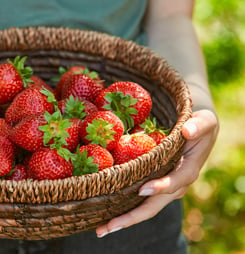
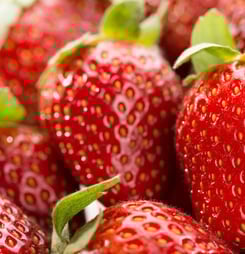
Red and juicy strawberries served with pure white cream makes an incredible combination! The contrast is part of the charm: bright, tangy-sweet fruit against cool, rich dairy, with each bite tasting like it was designed to be shared.
Whether eaten on their own or placed on top of a piece of cake, scone or biscuit, strawberries and cream are certainly worth celebrating. And National Strawberries and Cream Day comes at just the perfect time! It’s a day that invites people to lean into simplicity, enjoy produce at its best, and treat an everyday ingredient pair like the special occasion it clearly believes it is.
How to Celebrate National Strawberries and Cream Day
The celebration of National Strawberries and Cream Day can range from the sweet and simple to something a bit more advanced. Choose from a range of activities for paying heed to the day, including some of these:
Enjoy Strawberries and Cream
Head to your garden, a farmer’s market, or a local grocery store to choose the ripest, brightest strawberries for National Strawberries and Cream Day. Then pick up some fresh whipping cream, either to pour straight over the berries or to whip with a bit of sugar for extra sweetness. Share it with family and friends for a simple and delightful celebration.
To make the classic version truly shine, a few small choices make all the difference:
- Choose strawberries that smell like strawberries. A strong, sweet aroma usually means great flavor. Color helps, but scent is the real clue.
- Think about size and texture. Smaller berries tend to be very sweet, while larger ones are often juicier and milder. Both work well, especially when matched with the right type of cream. Richer cream pairs well with very ripe, softer berries.
- Wash and dry gently. A quick rinse is enough. Dry them carefully so the cream sticks instead of sliding off.
- Hull, slice, or keep them whole depending on the mood. Whole berries feel elegant and easy to snack on. Sliced ones mix better with cream and are more practical for sharing.
- Try a quick maceration. Toss sliced berries with a little sugar and let them sit until they release their juices. A tiny pinch of salt enhances sweetness. For a twist, add a hint of vanilla, citrus zest, or balsamic for depth without overpowering the flavor.
The cream matters just as much as the fruit, and there are several ways to enjoy it:
- Pouring cream (unwhipped) keeps things simple with a clean, fresh taste.
- Softly whipped cream feels light and airy, holding gentle peaks with a glossy look.
- Sweetened whipped cream is the favorite for many, with just a bit of sugar to complement the berries.
- Crème fraîche or lightly sweetened sour cream adds a tangy balance for those who prefer less sweetness.
- Dairy-free alternatives like coconut cream also work beautifully, especially with a touch of vanilla and balanced sweetness.
For serving, keep it easy and inviting. Use small bowls or cups for sharing. Provide spoons and maybe forks for whole berries. If you’re outdoors, keep the cream chilled and bring it out in smaller portions so it stays fresh.
Get Creative with Strawberries and Cream
To make National Strawberries and Cream Day even more memorable, turn these ingredients into something fun and creative with recipes like these:
- Strawberries and Cream Shortcake. Use a buttermilk biscuit recipe for shortcakes and pile strawberries and cream on top
Shortcake is a classic favorite. The soft biscuit or cake soaks up the strawberry juices, while the whipped cream ties everything together. For better texture, split and lightly toast the shortcakes so they stay firm. Layer the berries instead of placing them only on top for a better balance in every bite. - Strawberries and Cream Ice Cream. Use an ice cream maker to create a fresh, creamy treat with strawberries
Homemade ice cream takes patience but delivers great results. Since strawberries contain a lot of water, many recipes suggest cooking them down slightly or macerating and draining them first. This boosts flavor and reduces iciness. You can also swirl in a strawberry compote at the end for bright, fruity streaks. - Strawberry Fool. This simple dessert enhances whipped cream with vanilla bean paste, sugar, and vanilla extract
A fool is beautifully simple: fruit gently folded into cream. For richer flavor, purée some berries and mix them with chunks for texture. Keep the cream soft and airy. Served in glasses, it looks elegant with very little effort. - Strawberry Pretzel Pie. Create a pretzel-based crust and fill it with strawberries and cream for a sweet and salty dessert
The contrast of sweet and salty makes this version stand out. A crushed pretzel crust adds crunch, while the creamy filling and fruit balance it out. Chill well for clean slices, and make sure the strawberries are dry so the crust stays crisp.
Beyond these classics, there are many fun ways to enjoy strawberries and cream while keeping the original pairing at the heart:
- Layered parfaits. Alternate berries, cream, and crunchy elements like cookies, granola, nuts, or meringue.
- Scones or biscuits with strawberry topping. Warm baked goods with cold cream and juicy berries create a perfect contrast.
- Pavlova-style bowls. Crisp meringue topped with cream and strawberries makes a light and eye-catching dessert.
- Strawberries and cream crepes. Thin pancakes wrap beautifully around the filling and work well for a build-your-own setup.
- No-bake strawberry icebox cake. Layers of cookies, cream, and berries soften together into an easy, sliceable dessert.
For an extra touch of fun, make it interactive. Set out strawberries, a few cream options, and toppings like shaved chocolate, citrus zest, toasted coconut, crushed pistachios, or honey. It keeps the spirit of the classic while letting everyone create their perfect combination.
National Strawberries and Cream Day Timeline
Romans Cultivate and Celebrate Wild Strawberries
Roman writers described wild strawberries being gathered for food, medicine, and religious symbolism, including associations with Venus and purification festivals.
First Recorded Use of “Strawbery” in English
The Middle English word “strawbery” appeared in a medieval manuscript, marking one of the earliest written references to the strawberry in the English language.
Strawberries Served With Dairy at European Courts
By the late Middle Ages, strawberries were documented as a delicacy at European courts, often served with cream, milk, or sugar, establishing the basic pairing later known as strawberries and cream.
Cardinal Wolsey Popularizes Strawberries and Cream
In Tudor England, Cardinal Thomas Wolsey’s kitchens at Hampton Court Palace reportedly served fresh strawberries with rich cream at royal banquets, helping to popularize the combination among the English nobility.
Creation of the Modern Garden Strawberry in France
French gardeners crossed North American Fragaria virginiana with Chilean Fragaria chiloensis in Brittany, producing Fragaria × ananassa, the large, sweet garden strawberry that becomes the dominant cultivated variety worldwide.
Commercial Cream Separators Boost Fresh Cream Supply
Gustaf de Laval patented a practical centrifugal cream separator, making large-scale cream production more efficient and helping turn fresh cream into an everyday accompaniment to fruits like strawberries.
Strawberries and Cream Enter Printed English Cookbooks
Late Victorian cookbooks in Britain and America began listing “strawberries and cream” explicitly as a simple dessert, reflecting its establishment as a familiar summer dish.
History of National Strawberries and Cream Day
Wild strawberries have been around for thousands of years, at least as far back as Ancient Roman times. Not only were strawberries a symbol for Venus, the goddess of love, but they were also used for medicinal and health purposes. It wasn’t until probably around the late 18th century that the more common garden strawberry was cultivated in Brittany, France.
The strawberry’s long relationship with people is partly due to how it grows and how it tastes. Wild strawberries are small and intensely aromatic, more perfume than payload. They were gathered rather than farmed for centuries, enjoyed as a seasonal treat and valued for their fragrance and flavor.
Ancient writers noted strawberries in the landscape and in gardens, and the fruit accumulated symbolic associations over time, including romance and beauty, likely because of its heart-like shape, bright color, and sweet scent.
The strawberry most people recognize today is a cultivated type that offers bigger berries and higher yields. Over time, growers selected plants with desirable traits such as size, sweetness, firmness, and the ability to travel without bruising.
That push for cultivation also shaped how strawberries were used in kitchens. Larger, juicier berries begged to be served plainly, showcased rather than hidden, which made them ideal partners for something as simple and luxurious as cream.
Cream, meanwhile, has its own culinary story. In many food traditions, dairy has been a marker of richness because it requires access to fresh milk and a way to separate and preserve the fat. Before modern refrigeration, cream was an ingredient associated with careful handling and quick enjoyment. That sense of specialness carries over into the strawberries-and-cream pairing: it feels celebratory, even when it’s made in a basic bowl with a spoon.
The history of combining red strawberries with cream can be traced back many centuries. In fact, it is believed that the credit for putting this combination together goes to Cardinal Thomas Wolsey (or more likely his unnamed chef) who was a right hand man to the English king at the time, King Henry VIII.
It is believed that strawberries and cream were served at a luxurious banquet in 1509. It was such a hit that it was served to guests who were attending a tennis match and this became quite a tradition over the years.
Stories like this survive because they capture something true about the dish: it has the kind of effortless appeal that fits both grand tables and casual gatherings. Strawberries and cream do not need elaborate technique to impress, but they do benefit from attention to timing and ingredients, which is exactly what kitchens attached to wealthy households could provide.
The notion that a skilled cook would pair peak fruit with rich cream is not surprising, and the tradition of serving it at social events makes sense. It’s easy to portion, quick to assemble, and universally understood as a treat.
Over the years, strawberries and cream became strongly associated with warm-weather entertaining and outdoor festivities. That connection is practical as well as cultural. Strawberries are at their best for a relatively short window, and they taste most vibrant when they do not spend long in storage.
Cream adds comfort and indulgence without requiring an oven, which makes the pairing feel tailor-made for gatherings where people would rather be outside than stuck in a kitchen.
Strawberries have a fairly short season where they are ripe and sweet, typically somewhere in mid to late May and running for just a few weeks. This means that National Strawberries and Cream Day comes at an ideal time for celebrating this dish – just when the strawberries are at their peak!
That sense of “now or never” is part of what makes the day fun. Strawberries can be found in stores beyond their natural harvest period, but peak-season berries usually taste noticeably different: sweeter, more fragrant, and less reliant on sugar or extra flavoring. National Strawberries and Cream Day encourages people to notice those differences and to treat simple ingredients with a little respect.
It also highlights a pleasing culinary lesson: great desserts do not have to be complicated. When strawberries are ripe and cream is fresh, the dish becomes a tiny masterclass in balance. The fruit brings acidity, brightness, and aroma.
The cream brings fat, softness, and a mellow sweetness that rounds off sharp edges. Served together, they create a dessert that feels both nostalgic and timeless, whether it’s spooned over cake, tucked into a crepe, or eaten straight from a bowl while standing at the kitchen counter.
Celebrating National Strawberries and Cream Day is, at its heart, a reminder that some of the best combinations are the ones that do not try too hard. It’s a simple pairing with a long cultural footprint, an easy excuse to buy the best strawberries available, and a delicious way to make an ordinary moment taste a little more special.
Surprising Facts About Strawberries and Cream
Strawberries and cream may seem like a simple, classic treat, but there’s more to this pairing than meets the eye.
From their unique botanical structure to their fascinating history and health benefits, these facts reveal why this beloved combination is both delicious and scientifically interesting.
Strawberries Were Created by Crossing Two Wild American Species
The modern garden strawberry, Fragaria × ananassa, did not exist in medieval Europe.
It was developed in 18th‑century France after gardeners accidentally crossed two wild American species: the large-fruited Chilean strawberry (Fragaria chiloensis) and the fragrant North American woodland strawberry (Fragaria virginiana).
This hybridization produced larger, juicier berries and quickly replaced older European species in commercial cultivation.
Strawberries Are One of the Few Fruits With Seeds on the Outside
Botanically, the red “berry” people eat is not a true berry at all, but an enlarged receptacle, and the tiny “seeds” on its surface are actually individual fruits called achenes, each containing a single seed.
A typical strawberry carries about 200 achenes, and their exposed position makes strawberries unusually susceptible to physical damage and mold compared with fruits whose seeds are protected inside.
Pairing Fruit With Fat Helps the Body Absorb Antioxidants
Strawberries are rich in vitamin C and polyphenols such as anthocyanins and ellagic acid, while dairy cream supplies fat that can enhance the absorption of certain fat‑soluble or fat‑associated plant compounds.
Research on mixed meals has shown that consuming fruits with a source of dietary fat can improve the bioavailability of some antioxidants and carotenoids, suggesting that strawberries eaten with cream may deliver their phytochemicals more effectively than strawberries alone.
Strawberries Are Among the Most Perishable Commercial Fruits
Fresh strawberries have a very high respiration rate and thin, delicate skin, which means they continue to use oxygen and produce carbon dioxide rapidly after harvest.
This metabolic activity, combined with their high moisture and sugar content, causes strawberries to spoil far more quickly than many other fruits, often within a few days if not chilled.
Commercial growers and distributors rely on rapid cooling and strict cold‑chain management to slow decay and maintain quality.
Wimbledon Turned Strawberries and Cream Into an Iconic Sporting Snack
The tradition of eating strawberries and cream at British tennis matches became firmly cemented at the Wimbledon Championships, where the dish has been served since the first tournament in 1877.
The short British strawberry season coincides with the event, and today spectators consume well over a hundred thousand portions each year, turning a simple dessert into one of the most recognizable symbols of the tournament and of English summer culture.
Ancient Romans Linked Wild Strawberries With Love and Healing
Long before large modern strawberries existed, the ancient Romans prized wild strawberries for both flavor and symbolism.
Writers such as Ovid and Pliny the Elder described them as luxury fruits associated with Venus, the goddess of love, and they were used in folk remedies for ailments ranging from melancholy to inflammatory conditions, reflecting an early awareness of their pleasant taste and potential health benefits.