Alamo Day
Alamo Day is a day filled with remembrance and honor. It pays tribute to the bravery and sacrifice of the Alamo defenders. These individuals stood their ground during a fierce battle that has become a symbol of courage and resilience.
The Alamo’s story continues to inspire many, highlighting the spirit of fighting for one’s beliefs, even against overwhelming odds, and this momentous day serves as a reminder of the grit shown during the struggle for independence~
How to Celebrate Alamo Day
Dress Up Like a Texan
Don a cowboy hat and boots. Channel the spirit of the Alamo with a playful outfit. Embody the bravery of those historic defenders.
Take some selfies and share them with friends. Add a fun twist with themed props like toy rifles or lassos. Celebrate in style and show off your Texan spirit.
Cook Up a Tex-Mex Feast
Whip up some delicious Tex-Mex dishes. Tacos, enchiladas, and queso will do the trick. Invite family or friends for a festive meal.
Enjoy the flavors of Texas while honoring the Alamo. Cooking together can be a fun and tasty way to celebrate. Don’t forget the margaritas or root beer for the kids!
Watch an Alamo Documentary
Settle in for an educational movie night. Choose a documentary about the Battle of the Alamo. Learn about the events that shaped Texas history.
Pop some popcorn and enjoy the show. Share interesting facts with others during breaks. Watching together makes the experience more engaging.
Visit a Local History Museum
Explore nearby museums with Texan exhibits. Many offer special displays on Alamo Day. Discover artifacts and stories about the brave defenders. It’s a great outing for all ages. Museums often provide interactive exhibits for kids. Make it a fun and educational trip.
Organize a Storytelling Session
Gather friends and family for a storytelling night. Share tales of the Alamo and its heroes. Create a cozy atmosphere with blankets and snacks.
Encourage everyone to participate and tell a story. This can be a lively and memorable way to celebrate. Use dramatic voices and props for extra fun.
Craft a Creative Tribute
Get crafty with a tribute project. Make Alamo-themed decorations or artwork. Use materials like paper, paint, and markers.
Display your creations proudly at home. Involve the kids in this creative activity. It’s a wonderful way to engage and educate at the same time.
Attend a Community Event
Check out local community events. Many towns hold special Alamo Day celebrations. Participate in parades, reenactments, or fairs.
Meet others who share an interest in history. Enjoy the festive atmosphere and learn something new. Supporting community events adds to the fun.
Alamo Day FAQs
What was the original purpose of the Alamo before it became a fort?
The Alamo began as Mission San Antonio de Valero, established in 1718 by Spanish missionaries to convert local Native Americans to Christianity. It later transformed into a military fort.
Did any women survive the Battle of the Alamo?
Yes, several women survived, including Susanna Dickinson, wife of defender Almaron Dickinson. She, along with her infant daughter, was spared by Mexican forces to deliver a message to Sam Houston.
How did the Alamo get its name?
The name “Alamo” means “cottonwood” in Spanish. Spanish soldiers stationed there named it after their hometown, Alamo de Parras, and the nearby cottonwood trees.
Is it true that Davy Crockett played a fiddle at the Alamo?
Legend suggests Davy Crockett played his fiddle to boost morale during the siege. While this adds to his folklore, historical evidence is lacking.
How is Alamo Day commemorated outside of Texas?
While primarily observed in Texas, Alamo Day is also commemorated by Texan expatriates and history enthusiasts worldwide through educational events and reenactments.
Were there any international volunteers among the Alamo defenders?
Yes, the defenders included volunteers from various countries, such as England, Ireland, Scotland, and Germany, highlighting the diverse support for Texas independence.
Did any animals survive the Battle of the Alamo?
According to some accounts, a cat named “Whiskers” survived the battle, becoming a symbol of resilience. However, this story is more folklore than documented fact.
Is there a connection between the Alamo and the U.S. Marine Corps?
The U.S. Marine Corps’ motto, “Semper Fidelis” (Always Faithful), mirrors the defenders’ unwavering commitment at the Alamo, though there’s no direct historical link.
Were there any notable artifacts recovered from the Alamo?
Artifacts like James Bowie’s knife and Davy Crockett’s rifle have been preserved, offering tangible connections to the historic battle.
How has the Alamo been portrayed in popular culture?
Numerous films, books, and songs have depicted the Alamo, cementing its place in American cultural history.
Significance of Alamo Day
The celebration of Alamo Day marks the significant impact of the Battle of the Alamo on Texas’ fight for independence. During this event, the defenders’ willingness to stand their ground against a much larger Mexican force inspired others to join the cause, leading to eventual victory at the Battle of San Jacinto.
This day also honors the diverse group of individuals who came together for a common goal, symbolizing unity and determination in the face of adversity.
Alamo Day Timeline
1718
Founding of Mission San Antonio de Valero
Franciscan friars led by Father Antonio de San Buenaventura y Olivares establish Mission San Antonio de Valero on the San Antonio River, laying the religious and colonial foundations of what will later be known as the Alamo.
1724
Mission Relocates to Present Alamo Site
After a storm destroyed earlier buildings, Spanish authorities moved Mission San Antonio de Valero to its current location on the east bank of the San Antonio River, creating the footprint that would become the famous fortress compound.
1793
Secularization of the Mission
The Spanish government secularizes Mission San Antonio de Valero, redistributing its lands and converting it into the civilian Pueblo de Valero, a turning point that begins its transition from frontier mission to military post.
1803
Military Garrison and the Name “Alamo”
The Second Flying Company of San Carlos de Parras, a Mexican cavalry unit from Alamo de Parras, Coahuila, occupies the former mission complex as a barracks, and their presence leads to the site becoming widely known as “the Alamo.”
February 23 – March 6, 1836
Siege and Battle of the Alamo
Mexican forces under General Antonio López de Santa Anna besieged Texian defenders in the old mission for thirteen days, ending with the fall of the Alamo on March 6 and turning the site into a powerful symbol in the Texas Revolution.
1883
State of Texas Purchases the Alamo Chapel
The State of Texas buys the Alamo church from the Catholic Church and places it under the care of the City of San Antonio, marking the beginning of official efforts to preserve the structure as a historic landmark.
1905
Long Barrack Saved and Preservation Movement Solidifies
After a public campaign led by preservationists such as the Daughters of the Republic of Texas and Clara Driscoll, the Texas legislature authorizes purchase of the Long Barrack, preventing commercial redevelopment and cementing the Alamo’s status as a site to be preserved for public memory.
History of Alamo Day
Alamo Day commemorates the significant battle at the Alamo Mission in San Antonio, which occurred during the Texas Revolution. This day, observed annually, honors the bravery and sacrifice of the Alamo defenders.
The celebration’s roots trace back to when the state of Texas purchased the Alamo site in 1883. Efforts to preserve and honor the Alamo intensified in the early 1900s, led by figures like Adina De Zavala and Clara Driscoll, who played crucial roles in saving the historic site from potential demolition.
Alamo Day’s formal observance began in the late 19th and early 20th centuries as preservation efforts grew stronger.
The Daughters of the Republic of Texas, founded in 1892, spearheaded these efforts, aiming to keep the memory of the Alamo defenders alive. This movement ensured that the Alamo would remain a symbol of courage and resistance.
The observance of Alamo Day continues to inspire and educate future generations about this pivotal event in Texas history!
Layers of History Beneath the Alamo
Long before it became a symbol of a famous battle, the Alamo was a place shaped by missions, communities, military strategy, and cultural change. Its story reflects centuries of transformation—from a religious settlement to a fortified stronghold—revealing a deeper and more complex history behind one of America’s most recognized historic sites.
-
Layered Histories at the Alamo Site
Long before the 1836 battle, the Alamo grounds had already served multiple, very different roles: first as Mission San Antonio de Valero, founded in 1718 to convert local Native peoples and secure Spain’s northern frontier; then as a secularized community after 1793, when mission lands were divided; and later as a key Mexican military post garrisoned by a cavalry company from Alamo de Parras, whose name and emblematic cottonwood trees gave the site its enduring nickname.
-
Indigenous Communities and Mission Life
The mission that became the Alamo drew Payaya and other Coahuiltecan-speaking peoples into a highly regulated community life that combined religious instruction with intensive labor, including farming, ranching, and construction.
Disease outbreaks, forced cultural change, and raids from hostile groups steadily reduced the mission’s native population, which fell to just a few dozen people by the late 18th century, contributing to secularization and the site’s shift into military use.
-
An Unfinished Church Turned Fortress
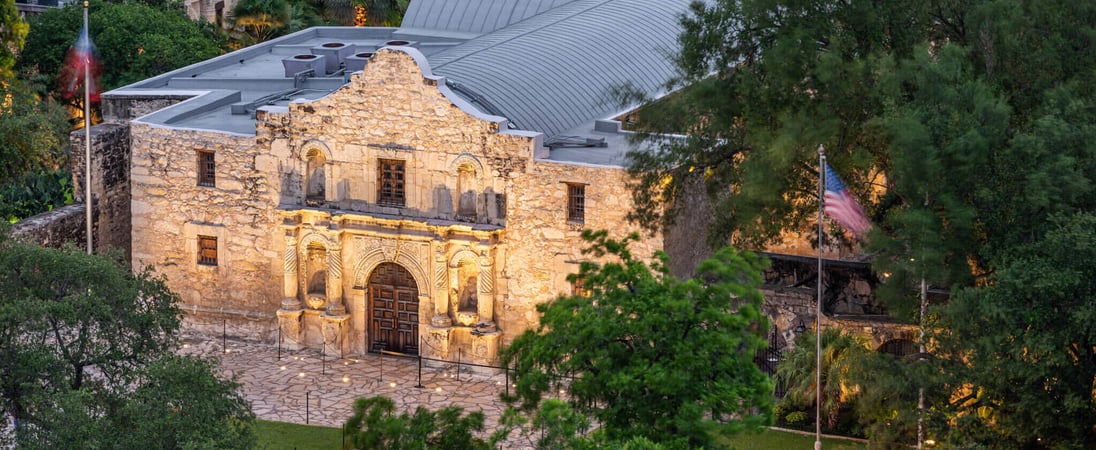
The iconic Alamo church was never completed as originally designed. Plans called for a lofty, three‑story limestone structure with twin bell towers and a dome, but declining mission populations and limited resources halted work, leaving the building roofless and partially built.
When revolution came decades later, Texian defenders fortified this incomplete sacred space with earthen ramps and artillery, turning a half-finished church into the centerpiece of a makeshift fort.
-
A Disputed Death Toll and Fog of War
Even basic numbers from the Battle of the Alamo remain contested. An often-cited list records 189 Texian defenders killed, but historians note the total could be higher, while estimates of Mexican casualties range wildly from about 600 to over 1,600 killed, plus many wounded.
Sparse, partisan, and sometimes self-serving reports from both sides make it difficult for modern scholars to reconstruct exactly how many died in the cramped compound and surrounding streets.
-
How “Remember the Alamo” Shaped Later Wars
“Remember the Alamo” was not only a rallying cry at the Battle of San Jacinto six weeks after the siege; it resurfaced a decade later during the U.S.–Mexican War as American soldiers advanced deeper into Mexico.
The phrase turned a regional Texas defeat into a broader symbol of vengeance and martial resolve, illustrating how a local struggle for independence helped fuel national narratives of destiny and expansion.
-
Women Preservers of a “Shrine of Texas Liberty”
After the U.S. Army left the Alamo complex in the 1870s, commercial interests eyed its decaying buildings for redevelopment, and part of the long barracks became a general store.
Local women’s groups, especially members of what became the Daughters of the Republic of Texas, led a decades-long campaign to purchase and preserve the property.
Their efforts persuaded the state to buy the chapel in 1883 and the long barracks in 1905, securing the site as a public historical landmark rather than a private business block.
-
From Local Ruin to Global Tourist Magnet
For much of the 19th century, the Alamo sat in neglect, with graffiti, scavenged stone, and encroaching storefronts obscuring its wartime past.
Today, after extensive preservation and interpretation work, the complex draws roughly 2.5 million visitors a year from around the world, functioning both as a museum of Spanish colonial and revolutionary history and as a solemn memorial where tourists, veterans, and schoolchildren encounter competing stories about liberty, conquest, and remembrance.
Also on ...
View all holidays
National Oreo Cookie Day
With its perfect ratio of crunchy cookies and creamy filling, it's no wonder it's America's favorite cookie. Twist, lick, and dunk away!


National Dress in Blue Day
Sporting a hue that symbolizes hope and unity, it's a powerful way to stand together and support the fight against cancer.

National Employee Appreciation Day
Recognizing hard work and dedication, showing gratitude with a genuine smile, a small gesture that boosts morale and fosters a positive workplace vibe.
We think you may also like...
Trooping the Colour
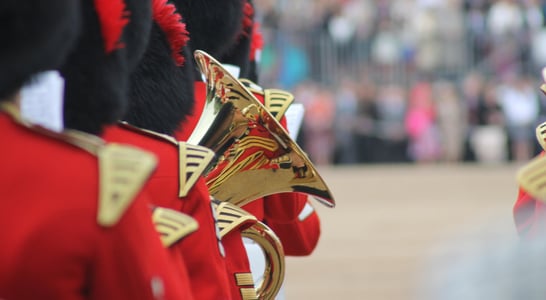
Experience the grand spectacle of thousands of soldiers and musicians marching in precision in a centuries-old British tradition.
Remembrance Day
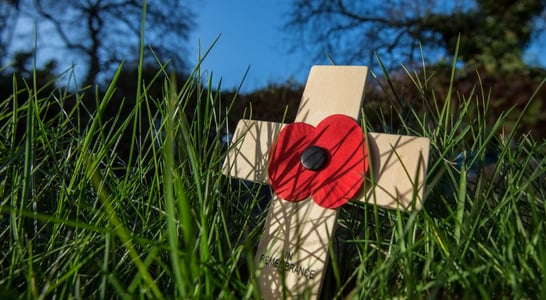
Honoring those who served with respect, gratitude, and ceremonies that pay tribute to their sacrifice and dedication.