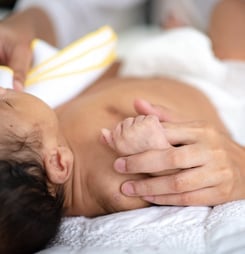

Tiny yawns, soft blankets, and quiet rooms—Baby Sleep Day brings attention to one of the most important parts of early life. It highlights how proper rest shapes a baby’s mind and body from the very beginning.
Parents often wonder how to help their child sleep better, and this day opens the door to expert advice and helpful tips. Sleep doesn’t just mean naps and nighttime. It means calmer days, smoother routines, and happier families.
Every hour of peaceful sleep helps a baby grow, learn, and stay healthy. Sleep affects mood, memory, and even growth.
When babies sleep well, parents feel more rested too. A baby who gets enough rest usually eats better, cries less, and handles change more easily.
Baby Sleep Day reminds us that sleep isn’t a luxury—it’s a daily need that supports the whole household.
Baby Sleep Day Timeline
Brahms Composes “Wiegenlied” (“Brahms’ Lullaby”)
Johannes Brahms writes his famous cradle song, which becomes one of the most widely used Western lullabies to soothe babies to sleep.
“Cry It Out” and Strict Infant Sleep Schedules Published
American pediatrician Luther Emmett Holt’s book “The Care and Feeding of Children” popularizes leaving infants to cry and sleep alone to promote independence.
REM Sleep Described and Observed in Infants
Eugene Aserinsky and Nathaniel Kleitman identify rapid eye movement (REM) sleep, with early work noting distinctive eye movements in sleeping infants.
First Standardized Manual for Scoring Newborn Sleep
Anders, Emde, and Parmelee publish “A Manual for Standardized Techniques and Scoring System for Sleep Stages of Human Infants,” creating a framework for infant sleep research.
First Dedicated Pediatric Sleep Disorders Center Opens
Boston Children’s Hospital establishes the Center for Pediatric Sleep Disorders, the first full-service pediatric sleep clinic and laboratory.
Cultural Differences in Infant Sleep Documented
A cross-cultural study reports that Dutch 8‑month‑olds sleep longer and more regularly than U.S. infants, linking parental beliefs and routines to infant sleep patterns.
Large Longitudinal Study Maps Infant Sleep in First Year
Researchers follow 704 infants over 12 months, detailing how night sleep consolidates and naps decrease, helping define “normal” baby sleep patterns.
How to Celebrate Baby Sleep Day
Celebrating Baby Sleep Day offers a wonderful opportunity to focus on your little one’s rest. Here are several engaging ways to honor this special day.
Establish a Soothing Bedtime Routine
Creating a calming pre-sleep ritual can signal your baby that it’s time to rest. Activities like a warm bath, gentle massage, or reading a short story can be effective.
Consistency in this routine helps your child associate these actions with sleep.
Attend a Baby Sleep Workshop
Many communities offer workshops focused on infant sleep patterns and techniques.
Participating in such a session can provide valuable insights and allow you to connect with other parents facing similar challenges.
Create a Comfortable Sleep Environment
Ensure your baby’s sleeping area is conducive to rest. This includes maintaining a comfortable room temperature, minimizing noise, and using blackout curtains to keep the room dark.
A peaceful environment can significantly enhance sleep quality.
Incorporate Gentle Music or White Noise
Soft lullabies or white noise machines can soothe your baby to sleep by masking household sounds. These auditory cues can become a signal for bedtime, aiding in faster and more consistent sleep onset.
Prioritize Daytime Physical Activity
Engaging your baby in age-appropriate physical activities during the day can promote better sleep at night. Activities like tummy time or gentle play can help expend energy, making it easier for your baby to fall asleep.
Share Experiences with Other Parents
Connecting with fellow parents to exchange stories and tips about baby sleep can be both comforting and informative.
Organizing a small gathering or joining an online forum can provide support and new strategies to try.
History of Baby Sleep Day
In December 2016, three pediatric sleep experts—Jodi Mindell, Bula, and Russell Walters—met at a small deli to talk about sleep. They saw how tired babies and stressed parents often go hand in hand. That conversation sparked an idea.
What if there were a day to focus just on helping babies sleep better? That moment led to the creation of Baby Sleep Day.
The Pediatric Sleep Council made it official in early 2017. They chose March 1 for the first event. The goal was simple: help families understand how important sleep is during the early years. They wanted to share advice from trusted experts and make sleep science easier to understand.
Baby Sleep Day quickly gained support. It now reaches parents across the globe. Experts use this day to offer tips, answer questions, and guide families through common sleep troubles.
Parents can learn about bedtime routines, nap schedules, and how to handle night wakings.
Though it began with a small group, the message grew quickly. Baby Sleep Day continues to remind families that rest isn’t just helpful—it’s necessary for growth, health, and peace at home. Thanks to that one conversation in 2016, sleep now gets the attention it truly deserves.
Facts About Baby Sleep Day
Sleeping Babies Spend More Time in REM Than Adults
Newborns can spend around half of their total sleep time in active sleep, which is similar to REM, compared with roughly 20 to 25 percent in healthy adults. Over the first two years, this proportion steadily drops as deeper non-REM sleep increases, mirroring rapid brain maturation across infancy.
Mature Sleep Patterns in Infancy Predict Later Language Skills
Long-term research has found that babies whose sleep is more “mature” and consolidated by about 6 months of age tend to perform better on language tests in early grade school.
More regular night sleep and clearer sleep cycles in infancy were linked with stronger verbal abilities at 7 to 8 years old.
Circadian Rhythms Start Organizing Around 2 to 3 Months
Infants are not born with a stable body clock. Studies show that melatonin and cortisol rhythms, which help regulate day and night, begin to organize between 8 and 12 weeks of age. As this internal clock matures, babies gradually shift from round-the-clock short sleep bouts to longer stretches at night.
Back Sleeping Has Cut Sudden Infant Deaths Dramatically
After medical organizations began recommending that babies be placed on their backs for every sleep in the 1990s, rates of sudden infant death syndrome in the United States fell by more than 50 percent. Current American Academy of Pediatrics guidance continues to stress back sleeping on a firm, flat surface as a key way to reduce sleep-related infant deaths.
Room-Sharing Without Bed-Sharing Lowers Risk of Sleep-Related Death
The American Academy of Pediatrics advises that infants sleep in the same room as their caregivers, but on a separate surface, for at least the first 6 months.
Sharing a room in this way has been associated with up to a 50 percent reduction in the risk of sudden unexpected infant death compared with babies who sleep in a separate room.
Infants Do Not Develop Adult-Like Sleep Cycles Until About 6 Months
Although newborns may sleep 16 to 17 hours across a day, their sleep is highly fragmented and cycles are short, often just 50 to 60 minutes. Pediatric sleep experts note that more regular, adult-like sleep cycles and longer stretches of sleep at night typically do not emerge until around 6 months of age.
Deep Sleep Helps Drive Physical Growth in Babies
As non-REM slow-wave sleep increases over the first year of life, it coincides with rapid gains in body length and weight.
Research in early childhood shows that growth hormone is primarily secreted during deep sleep, supporting the idea that consolidated nighttime sleep is closely tied to healthy physical development in infancy.